Strait of Hormuz Traffic Drops 65% as Tanker Attacks Surge

Shipping through the Strait of Hormuz remains 65% below pre-war levels following six tanker attacks in one week. Here is what it means for operations.
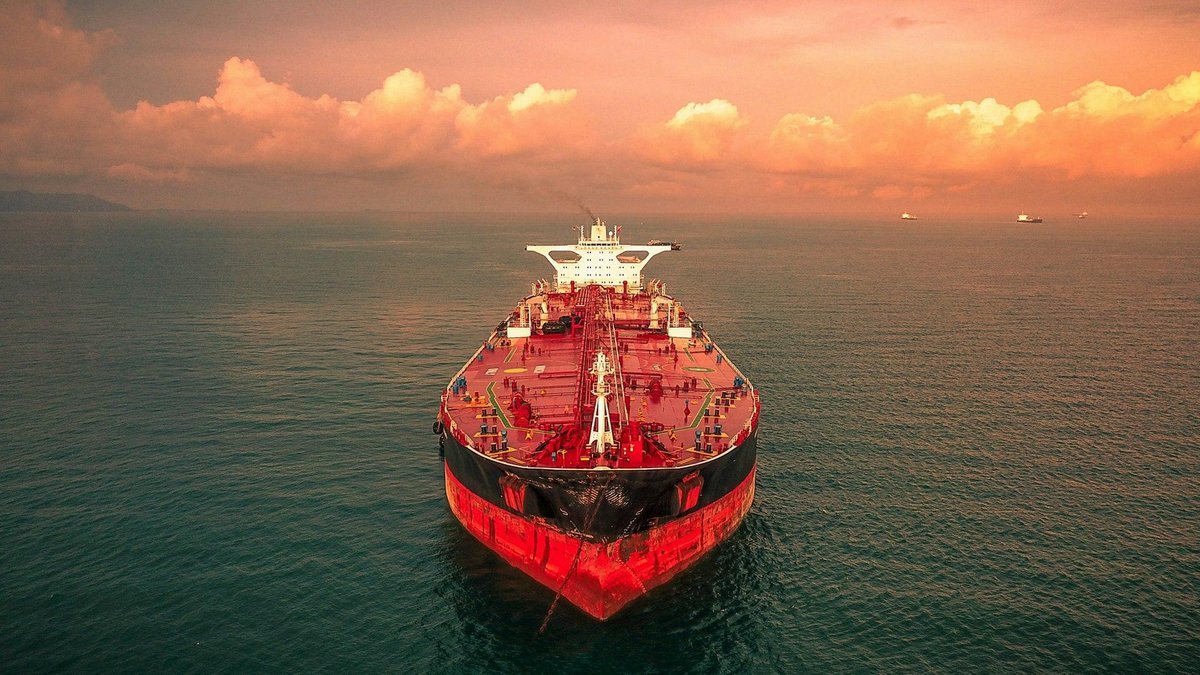
Shipping traffic through the Strait of Hormuz remains 65% below pre-conflict levels as a wave of six tanker attacks in a single week underscores the severe security risks facing energy carriers in the region. The United Kingdom Maritime Trade Operations recorded 263 vessel transits in the seven days ending November 18, 2026, a decline from 308 transits the previous week.
The latest security overview from the UKMTO confirms that of the 263 total transits, 148 were inbound and 115 were outbound. Vessels broadcasting AIS positions accounted for 73 of these crossings, while US-facilitated transits, which include ships not broadcasting AIS, made up the remainder. Energy carriers continue to represent half of all traffic moving through the waterway.
The recent spike in violence included four attacks within the Strait of Hormuz and two in the Persian Gulf. On November 17, a tanker was struck by an unknown projectile 13 nautical miles north of Khasab, Oman, resulting in one missing crew member, 11 injuries, and a fire. An LPG tanker was disabled following two separate strikes on November 16 and 17, forcing the crew to abandon the vessel. The Joint Maritime Information Center currently assesses the threat level in the strait as severe.
Why it matters
The persistent 65% deficit in traffic indicates that the maritime industry has largely priced in the extreme risk of the Strait of Hormuz, with owners and charterers opting for alternative routes or avoiding the region entirely. For those still operating in the area, the reliance on US-facilitated transits—which outnumber AIS-tracked vessels by 2.5 to 1—suggests that transparency is being sacrificed for security, making it difficult for insurers and charterers to accurately assess the risk profile of individual voyages.
The high frequency of attacks, coupled with the fact that 10% of vessels with confirmed outcomes have been lost or sunk since the expiration of the Iran-US memorandum of understanding in August, shifts the operational burden onto crews and owners. With the threat level officially rated as severe, the operational reality for energy carriers is that any transit through the strait now carries a high probability of kinetic engagement. This environment likely forces a permanent shift in how energy majors and independent owners allocate their fleets, prioritizing safety over the efficiency of the traditional Hormuz route.
What to watch
Market participants should monitor the status of the four tankers attacked last week whose outcomes remain unknown. Any confirmation of further vessel losses will likely trigger additional upward pressure on war-risk insurance premiums and further reduce the number of commercial vessels willing to utilize the strait.