Atlantic Asphalt Arrested as Lawsuits Mount Over New Orleans Collision

The arrest of the Atlantic Asphalt follows a series of lawsuits from passengers, crew, and the Port of New Orleans after the American Heritage crash.
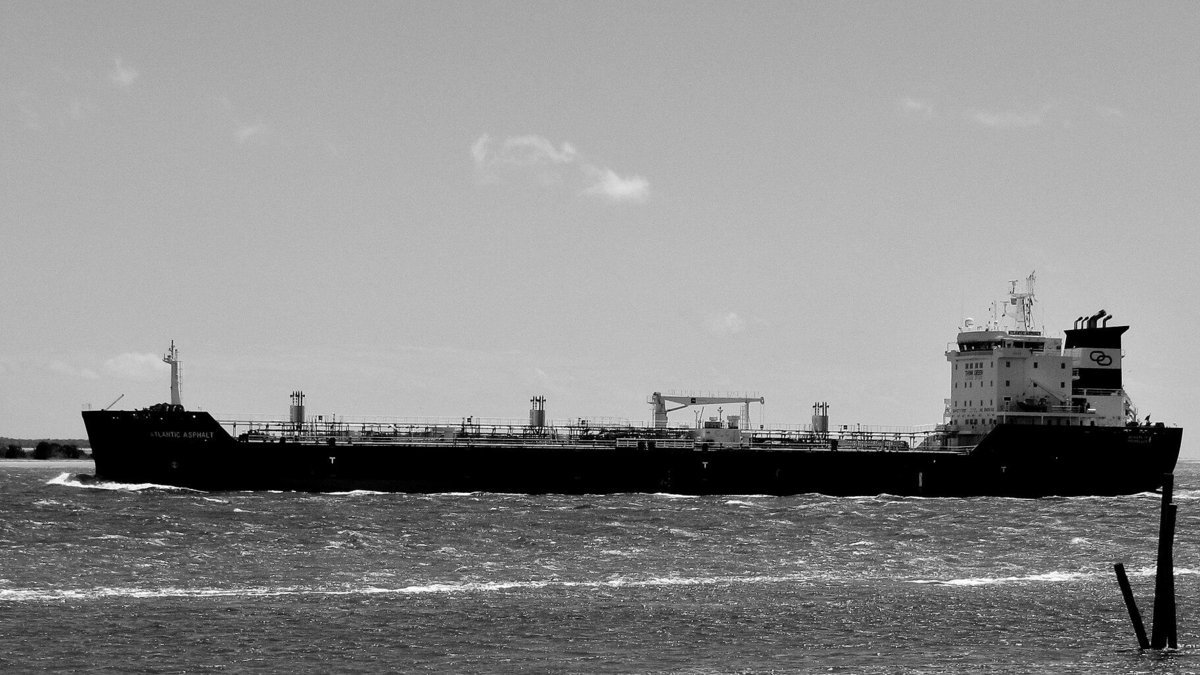
The arrest of the tanker Atlantic Asphalt in New Orleans following its collision with the American Heritage signals a widening circle of liability for owner Nave Shipping SA and manager Thome Ship Management. A Pennsylvania couple is the latest to sue after the November 13 crash that led to the cruise ship capsizing at its berth.
The elderly couple filed their case in the Orleans Parish Civil District Court, alleging serious physical injuries sustained during the collision and subsequent rescue. According to their attorneys, the pair narrowly escaped falling into the cold river water moments before the American Heritage sank. The wife remains under medical care after previously assisting another passenger during a medical emergency earlier in the cruise.
Preliminary findings from the National Transportation Safety Board (NTSB) indicate the Atlantic Asphalt’s rudder became stuck to starboard approximately two minutes before impact. The tanker veered into the east bank and struck the docked cruise ship at 12:30 pm. The American Heritage, carrying 140 passengers and 50 crew, capsized 22 minutes later.
The vessel arrest, authorized by a federal judge, serves as security for a claim by the Port of New Orleans exceeding $1 million for terminal damage. This follows separate lawsuits from four crew members in federal court and two local police officers in state court.
Why it matters
The NTSB’s preliminary focus on a mechanical failure—a rudder stuck to starboard—moves the legal argument away from simple navigational error and toward the maintenance standards of Nave Shipping SA and Thome Ship Management. A single component failure in a restricted waterway has led to the total loss of a third-party vessel and the immediate arrest of the tanker. This ties up the Atlantic Asphalt as a frozen asset while the court determines the priority of claims.
The diversity of claimants creates a complex liability environment for the tanker’s insurers. With state and federal courts both involved, the owner faces simultaneous battles over personal injury, crew welfare, and significant infrastructure damage. The Port of New Orleans’ decision to secure an arrest warrant suggests it views the tanker itself as the most reliable source of recovery for its $1 million-plus terminal repair bill.
What to watch
The next trigger is the release of the full NTSB report, which will determine if the rudder failure resulted from a lack of maintenance or a latent manufacturing defect. This distinction will decide whether the liability rests solely with the current owners and managers or if third-party equipment providers will be pulled into the litigation. The Atlantic Asphalt remains held as security for the port’s $1 million claim.