

Spanish Police Seize 2.6 Tonnes of Cocaine in Ghana Coconut Shipment
Spanish authorities find 2.6 tonnes of cocaine in Ghana coconut crates, signaling rising security risks for cargo from Tema and Takoradi.
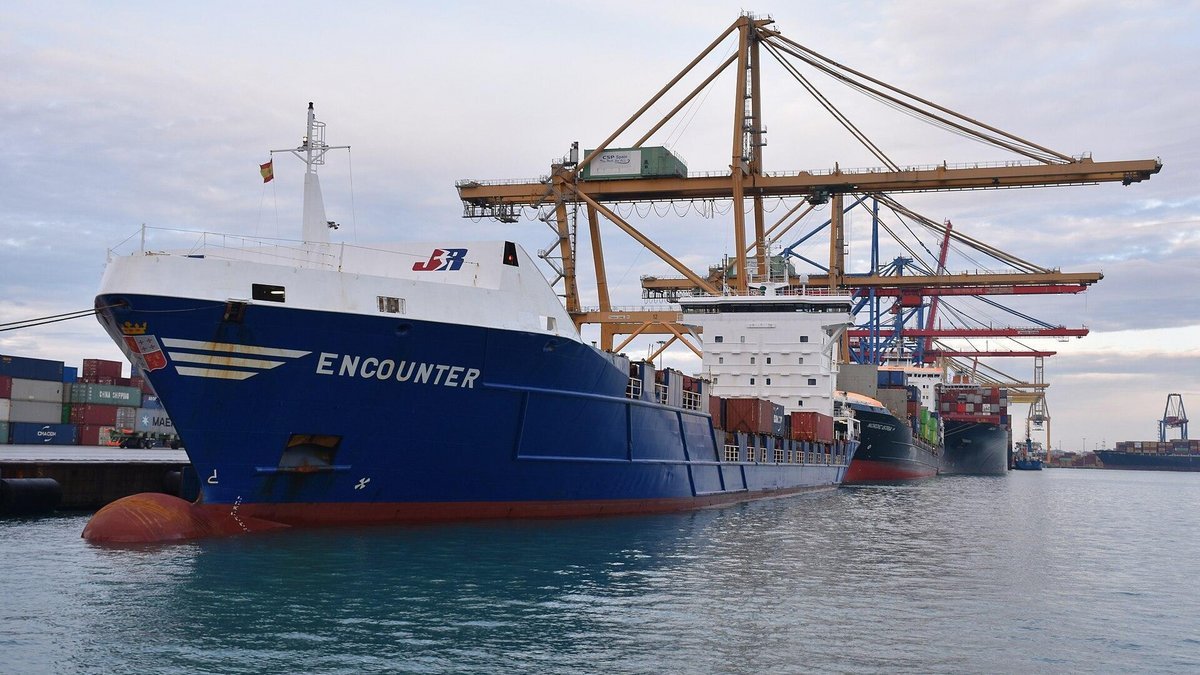
The seizure of 2.6 tonnes of cocaine in Valencia from a shipment of Ghanaian coconuts confirms Ghana’s status as a high-risk transit hub, forcing a reassessment of security protocols for all cargo originating from the country’s main ports.
Spain’s Tax Agency and Civil Guard announced the discovery on November 11 after inspecting two containers that arrived from the Port of Tema. The drugs were hidden in false bottoms of wooden crates beneath a declared cargo of coconuts. Authorities reported the containers were loaded in Ghana on August 2 and arrived in Valencia aboard an unnamed container ship on August 22.
Customs officials selected the boxes for inspection after a risk assessment flagged the shipment. Following the discovery, investigators tracked the cargo to a warehouse in Viator, near Almería, where they arrested the importer and the person responsible for receiving the goods.
This bust follows a series of major international seizures linked to Ghanaian exports. On September 10, French authorities found 3.9 tonnes of cocaine in a container of plastic waste at Dunkirk. In April, Australian police intercepted 320 kilograms of methamphetamine hidden in charcoal at Port Botany. Other recent multi-tonne cocaine seizures involving Ghana have occurred in Amsterdam and Antwerp.
Why it matters
Carriers and terminal operators are now handling cargo from Tema and Takoradi under a cloud of heightened regulatory suspicion. With 85 percent of Ghana’s international trade moving through these two ports, the pattern of multi-tonne seizures in Valencia, Dunkirk, and Antwerp suggests that existing anti-trafficking controls are being systematically bypassed. This makes every export from the region a potential liability for the vessel owner.
The variety of cover cargoes—ranging from coconuts and plastic waste to charcoal—means no specific commodity segment is exempt from risk. For shipowners and charterers, this likely translates to more frequent risk-assessment flags at destination. The consequence is longer dwell times and more frequent inspections, which disrupt schedules and increase operational costs at European discharge ports.
The political pressure within Ghana for independent investigations into the Ghana Ports and Harbours Authority and the Narcotics Control Commission indicates a lack of confidence in current port security. Until these controls are hardened, the risk is that legitimate trade lanes from West Africa will be treated as high-threat corridors by international customs agencies.
What to watch
Watch for the response to calls made on November 4 by the New Patriotic Party for independent investigations into anti-trafficking controls at Ghana’s ports, airports, and security agencies. Any failure to reform these controls will likely lead to stricter scrutiny of Ghanaian bills of lading by European and Australian customs authorities.
Source: The Maritime Executive