

ONE Joins Suez Return as Container Capacity Crosses 50% Threshold
Ocean Network Express joins major carriers returning to the Suez Canal, signaling a shift that could pressure container spot rates.
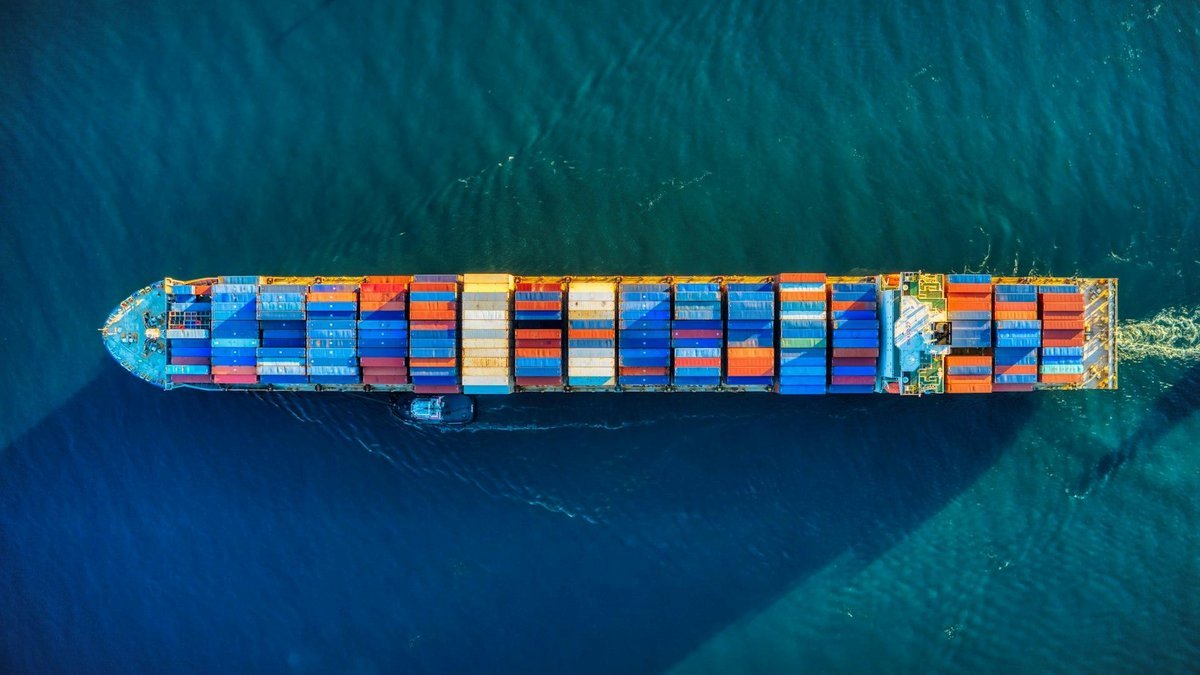
Ocean Network Express (ONE) has sent its first vessel through the Suez Canal in nearly three years, joining an industry-wide rush that has pushed transiting container capacity back above the 50 percent mark. This return to the traditional Asia-Europe corridor signals that carriers are now prioritizing cost-efficiency and competitive positioning over the persistent security risks in the southern Red Sea.
The 8,110 TEU ONE Continuity completed its transit on November 15 as part of a northbound convoy from Singapore to the Netherlands. The Suez Canal Authority confirmed that ONE’s partners in the Premier Alliance, HMM and Yang Ming, are switching three more routes back to the canal from the Cape of Good Hope. This follows the Ocean Alliance’s return on November 8, when the 16,556 TEU Ever Eon made Evergreen’s first transit of the period.
Research from Drewry shows 53 container vessels transited the canal in the first week of November. According to BIMCO, weekly transiting capacity reached 753,000 TEU in October. This is the first time since late 2023 that more than half of the pre-conflict average capacity of 1.45 million TEU has returned to the Red Sea route.
Why it matters
The move by ONE and the Premier Alliance follows similar redeployments by the Ocean Alliance and the Gemini Cooperation partners, Maersk and Hapag-Lloyd. Carriers are feeling peer pressure to follow the pack to maintain their competitive stance. Returning to the Suez Canal lowers operational costs and creates additional vessel availability, which is a priority for lines currently under financial pressure.
For charterers and cargo owners, this shift promises to alleviate the capacity shortages that defined much of the last two years. However, the sudden release of capacity back into the market, combined with a heavy schedule of newbuild deliveries, threatens to collapse spot rates. These rates have remained stronger than anticipated through much of 2026, but the return to shorter traditional routes removes the supply-side constraint that supported them.
While the Suez Canal Authority claims the waterway is ready for mega-containerships, the security environment remains volatile. Houthis have recently recaptured sections of the southern Red Sea coast. Carriers are betting that Houthi claims to only restrict Saudi Arabian shipping will hold, but the industry now faces the risk of overcapacity if the security situation forces another sudden diversion.
What to watch
The Gemini Cooperation is scheduled to reroute more large vessels between Asia and Northern Europe through January, which will serve as the next major test for the canal’s rebuilding transit volumes.
Source: The Maritime Executive