

Wan Hai transpacific bet pays off as US East Coast becomes top earner
Wan Hai's Asia-US East Coast route is now its top earner after a 132% capacity surge and $9.11bn in revenue since 2020.
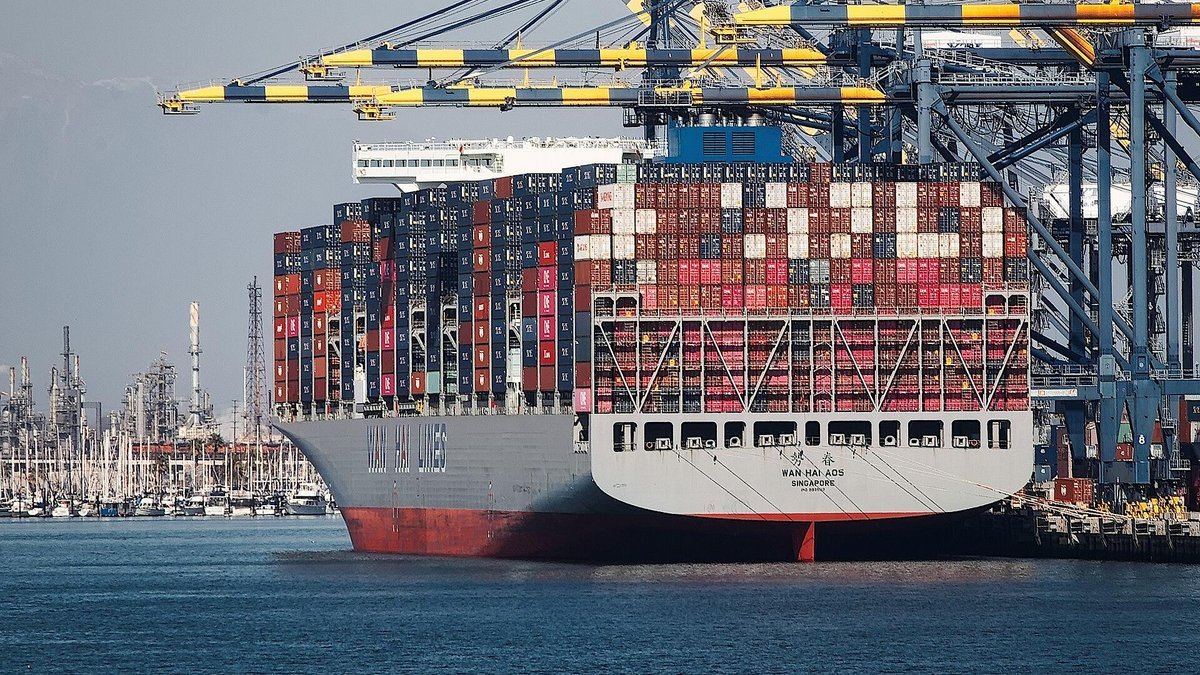
Wan Hai Lines has turned its pandemic-era gamble on the transpacific trade into its primary revenue engine, with the Asia-US East Coast route now outperforming its traditional regional strongholds. The strategy has transformed the Taiwanese carrier from a regional specialist into a major long-haul contender with a 132% increase in capacity since 2020.
Chairman Chen Po-ting confirmed on Friday that the carrier generated TWD300bn ($9.11bn) in ocean freight revenue over the last four years. The company’s fleet now stands at 627,456 TEU, representing the second-largest growth rate among the world’s 12 biggest container lines.
Unlike its peers, Wan Hai operates a fully owned fleet and does not charter any vessels. To support its long-haul expansion, the company is awaiting the delivery of 11 additional ships in 2027, including ten 16,000 TEU vessels and one 8,700 TEU unit.
Why it matters
Wan Hai’s shift to the US East Coast signals a permanent change in its commercial strategy. By pivoting toward long-haul routes, the carrier has diversified its revenue streams away from the volatile intra-Asia market. This expansion allows the company to capture higher-margin cargo on the world’s most critical trade lanes.
The decision to own 100% of its tonnage provides a structural cost advantage that few competitors can match. While other lines are exposed to the volatility of the charter market, Wan Hai’s asset-heavy model locks in its capacity costs. This stability is particularly valuable as the industry faces rising expenses related to green energy, environmental regulations, and human rights compliance.
Chen’s view that the industry has moved into a period of orderly rivalry suggests a shift in how freight rates are set. If geopolitical developments and logistical bottlenecks now carry more weight than simple vessel supply, Wan Hai’s aggressive capacity growth may not lead to the price wars that shareholders feared. The company is betting that the economics of shipping have fundamentally changed, moving away from pure supply-and-demand mechanics.
What to watch
The delivery of ten 16,000 TEU vessels in 2027 will determine if Wan Hai can successfully scale its operations into South America, the Middle East, and India without disrupting the current market balance.
Source: The Loadstar