Samskip Pioneers Liquid Hydrogen Shipping | Mariner News
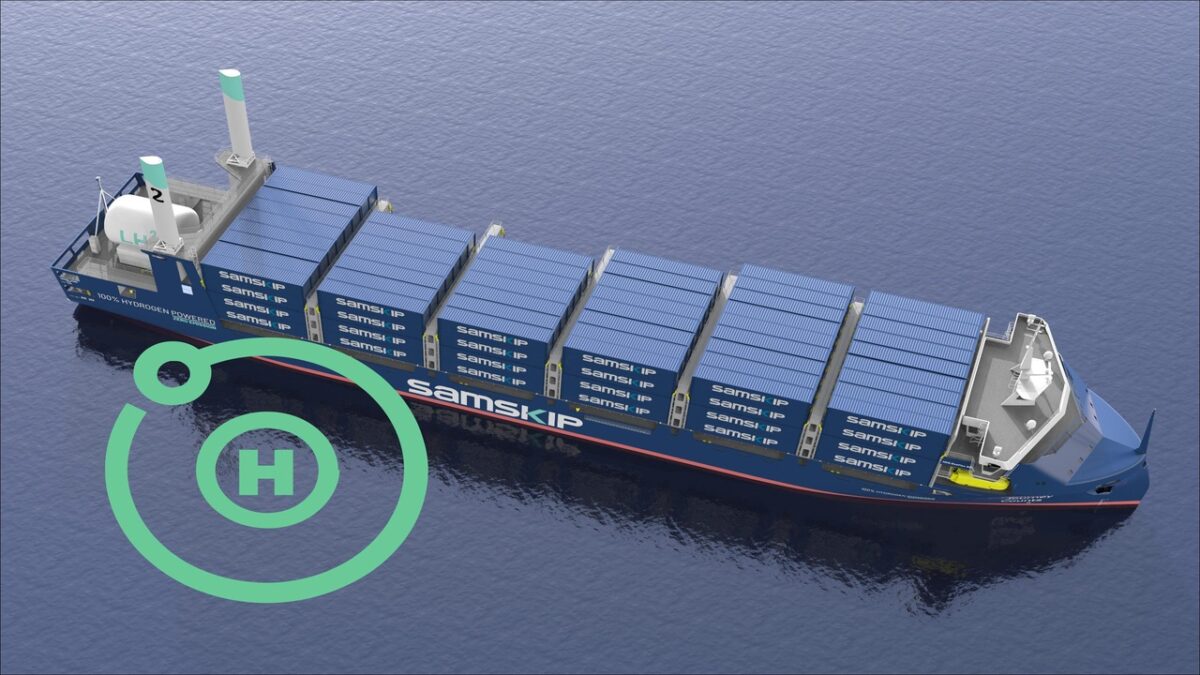
The global maritime industry is on the cusp of a revolutionary transformation, with companies like Samskip leading the charge towards a greener future. Samskip has been selected to demonstrate cutting-edge liquid hydrogen shipping on the vital Oslo-Rotterdam route, a pivotal step in achieving zero-emission shipping and decarbonizing the sector. This ambitious initiative, part of the EU-funded HyShip project, aims to accelerate the commercial viability of hydrogen as a clean marine fuel, fundamentally altering the landscape of container logistics and short-sea shipping. The project leverages Samskip’s existing commitment to sustainability through its SeaShuttle project, which already involves the construction of hydrogen-powered container vessels. This synergy allows for a direct, real-world application of advanced clean energy solutions, pushing the boundaries of what is possible in maritime transport and setting a new benchmark for environmental responsibility in the shipping lanes between Norway and the Netherlands.
H2: The HyShip Project and Samskip’s Leading Role in Clean Shipping
The HyShip project stands as a beacon of innovation in the pursuit of sustainable maritime practices, specifically targeting the advancement of liquid hydrogen as a viable marine fuel. Samskip’s selection as the demonstration vessel for this groundbreaking EU-funded initiative underscores its reputation as a forward-thinking leader in the logistics and shipping industry. The core objective of HyShip is to significantly propel zero-emission short-sea shipping closer to widespread commercial operation, effectively addressing the urgent need for environmental stewardship within maritime transport. This project is not merely theoretical; it is about proving the practical application and operational feasibility of a truly green alternative to traditional fossil fuels.
Samskip’s involvement is particularly impactful because it integrates seamlessly with its ongoing SeaShuttle project. This existing venture is already committed to building two state-of-the-art hydrogen-powered container vessels, designed to operate specifically on the high-traffic route between Oslo and Rotterdam. These innovative vessels, anticipated for delivery in the coming year, will serve as the physical manifestation of the HyShip project’s ambitions. By utilizing ships already in development, Samskip can rapidly implement and test the liquid hydrogen fuel systems, providing invaluable real-world data and insights into their performance, safety, and efficiency under operational conditions. This strategic alignment accelerates the validation process for hydrogen-powered vessels, ensuring that the transition to cleaner marine fuels is both swift and robust.
The collaboration within the HyShip project goes beyond just vessel operation. It encompasses a comprehensive approach to integrating onboard liquid hydrogen storage with essential port bunkering infrastructure. This holistic strategy is critical for overcoming one of the most significant hurdles to the broader adoption of hydrogen as a marine fuel: the absence of a complete, reliable, and scalable bunkering network. By demonstrating a seamless end-to-end solution, HyShip aims to establish a repeatable model for other routes and ports worldwide, thus catalyzing the widespread embrace of hydrogen fuel. The project’s success will provide a tangible blueprint for green shipping corridors globally, proving that zero-emission maritime logistics is not just a distant dream but an achievable reality ready for commercial deployment.
H2: Advancing Liquid Hydrogen as a Sustainable Marine Fuel
The deployment of liquid hydrogen (LH2) as a marine fuel represents a monumental leap forward in the maritime sector’s quest for decarbonization. Unlike other alternative fuels, hydrogen combustion produces no carbon emissions, making it a truly zero-emission solution at the point of use. However, the adoption of LH2 comes with its unique set of challenges, primarily related to storage and handling due to its extremely low boiling point. The HyShip project, with Samskip at its forefront, is directly confronting these challenges by integrating advanced onboard liquid hydrogen storage solutions with dedicated port bunkering facilities. This integration is paramount for ensuring the safety, efficiency, and scalability of hydrogen operations.
Maritime CleanTech, a key partner in this consortium, has consistently highlighted the transformative potential of such projects. Their statements emphasize that initiatives like HyShip are not merely incremental improvements but represent a fundamental shift in how the industry views fuel sources and environmental impact. By showcasing the practical application of LH2 on an active commercial route, the project aims to build confidence among shipowners, operators, and regulatory bodies. The experience gained from the Oslo-Rotterdam demonstration will be instrumental in developing best practices for hydrogen handling, risk assessment, and operational protocols, all of which are essential for wider industry adoption and the creation of robust regulatory frameworks.
Furthermore, the economic viability of liquid hydrogen shipping is a crucial aspect that the HyShip project seeks to address. While initial investments in hydrogen infrastructure and propulsion systems can be substantial, the long-term benefits include reduced operational costs associated with carbon taxes and compliance with increasingly stringent environmental regulations. As green hydrogen production scales up and associated technologies mature, the cost competitiveness of LH2 is expected to improve significantly. Samskip’s pioneering efforts are therefore not just about environmental sustainability; they are also about shaping a commercially attractive future for maritime logistics that is resilient to fossil fuel price volatility and carbon restrictions. This comprehensive approach is vital for ensuring that the transition to sustainable marine fuel is both environmentally sound and economically sensible for the global shipping fleet.
H2: Forging a Green Shipping Corridor Between Oslo and Rotterdam
One of the most significant outcomes anticipated from the HyShip project is the establishment of a fully functional green shipping corridor between Oslo and Rotterdam. This corridor will serve as a living laboratory and a tangible example of what a zero-emission maritime route looks like in practice. The concept of green shipping corridors, endorsed by international bodies, involves specific sea lanes where vessels employ low- and zero-emission fuels and technologies, supported by dedicated port infrastructure. The Oslo-Rotterdam route, a busy and strategic artery for European trade, offers an ideal setting for demonstrating the feasibility and benefits of such a corridor, influencing future policy and investment decisions across the continent and beyond.
Creating this corridor involves more than just powering ships with hydrogen; it necessitates a complete ecosystem. This includes the development of reliable bunkering facilities at both ends of the route, ensuring a consistent supply of liquid hydrogen. It also requires the synchronization of port operations, regulatory compliance, and the training of personnel to handle new technologies and fuels safely. The collaboration with Norwegian company LH2 Shipping is pivotal in this regard, as they are tasked with developing the sophisticated onboard hydrogen systems for the vessels and, crucially, building and operating the necessary bunkering facility. This integrated approach guarantees that the entire operational chain, from fuel production or delivery to onboard consumption, adheres to the highest standards of safety and efficiency for sustainable shipping operations.
The success of the Oslo-Rotterdam green shipping corridor will have far-reaching implications. It will provide a clear blueprint for other regions to emulate, accelerating the establishment of a global network of zero-emission maritime routes. This network is vital for achieving the ambitious decarbonization targets set by the International Maritime Organization (IMO) and national governments. By showcasing a commercially viable and environmentally responsible shipping route, Samskip and its partners are not just demonstrating a technology; they are creating a scalable model for how international trade can thrive while minimizing its ecological footprint, marking a new era for responsible maritime logistics and the future of green freight solutions.
H2: Overcoming Bunkering and Infrastructure Challenges for Hydrogen Fuel
The challenge of integrating robust and efficient port bunkering infrastructure is often cited as the primary obstacle to the widespread adoption of new marine fuels, especially liquid hydrogen. Its cryogenic nature requires specialized equipment and safety protocols that differ significantly from conventional fuels. The HyShip project is designed precisely to confront and resolve these intricate challenges head-on. By bringing together experts from various fields, the consortium is developing a comprehensive solution that spans both the onboard storage systems and the critical land-based facilities required for safe and effective bunkering operations.
LH2 Shipping’s role in this endeavor is particularly critical, as they are specifically responsible for designing, building, and operating the bunkering facility. This involves not only the physical infrastructure but also the establishment of rigorous safety procedures and operational guidelines. Their expertise will ensure that the transfer of liquid hydrogen from shore to ship is performed securely, efficiently, and in compliance with all relevant international standards and regulations. The lessons learned from this pilot facility will provide invaluable insights for future developments, helping to standardize bunkering processes for hydrogen across the global maritime industry and paving the way for further advancements in hydrogen energy logistics.
This focus on infrastructure is what makes the HyShip project so impactful. It recognizes that clean propulsion technology on vessels is only one piece of the puzzle; a supportive, reliable, and scalable supply chain for the fuel is equally essential. By addressing the bunkering challenge directly, the project is removing a major barrier to entry for other shipping companies contemplating the transition to hydrogen-powered fleets. The successful integration of port bunkering with vessel operations will not only prove the technical feasibility but also lay the groundwork for a commercially viable network of hydrogen fuel supply points, fostering the growth of the zero-emission short-sea shipping segment and accelerating the broader maritime industry’s journey towards decarbonization and sustainable operations.
H2: A Collaborative Vision for Decarbonized Maritime Transport
The success of a project as complex and transformative as HyShip is inherently dependent on robust collaboration. The consortium behind this initiative represents a formidable alliance of industry leaders, academic institutions, and research organizations, each contributing specialized expertise to ensure a holistic and effective outcome. Key partners include Maritime CleanTech, LMG Marin France, ETH Zurich, DNV, and the University of Strathclyde, alongside several other vital industry and research contributors. This diverse array of stakeholders brings together a wealth of knowledge in marine engineering, renewable energy, safety standards, and logistical innovation, all converging to advance sustainable shipping solutions.
This collaborative model is crucial for tackling the multifaceted challenges associated with pioneering new marine fuels. LMG Marin France contributes its naval architecture and ship design expertise, ensuring that the hydrogen-powered vessels are optimized for performance and safety. ETH Zurich and the University of Strathclyde provide cutting-edge research and development, pushing the boundaries of what is technically possible with hydrogen systems. DNV, a global leader in assurance and risk management, plays an indispensable role in ensuring that all aspects of the project, from vessel design to bunkering operations, meet the highest safety and environmental standards. Their involvement provides critical validation and helps build trust in hydrogen as a marine fuel.
Together, these partners are not just executing a project; they are building a framework for the future of decarbonized maritime transport. The knowledge shared, the innovations developed, and the solutions implemented through the HyShip project will have a ripple effect across the entire industry. This collaborative vision underscores a shared commitment to environmental sustainability, technological advancement, and economic viability, proving that through collective effort, the maritime sector can achieve its ambitious zero-emission goals. Samskip, as the demonstration vessel, is at the heart of this collaborative effort, showcasing how practical application can drive innovation and inspire broader industry change towards a truly green and efficient global shipping landscape.