Foreship Unveils RoRo Ferry Concept for Greek Market | Mariner News
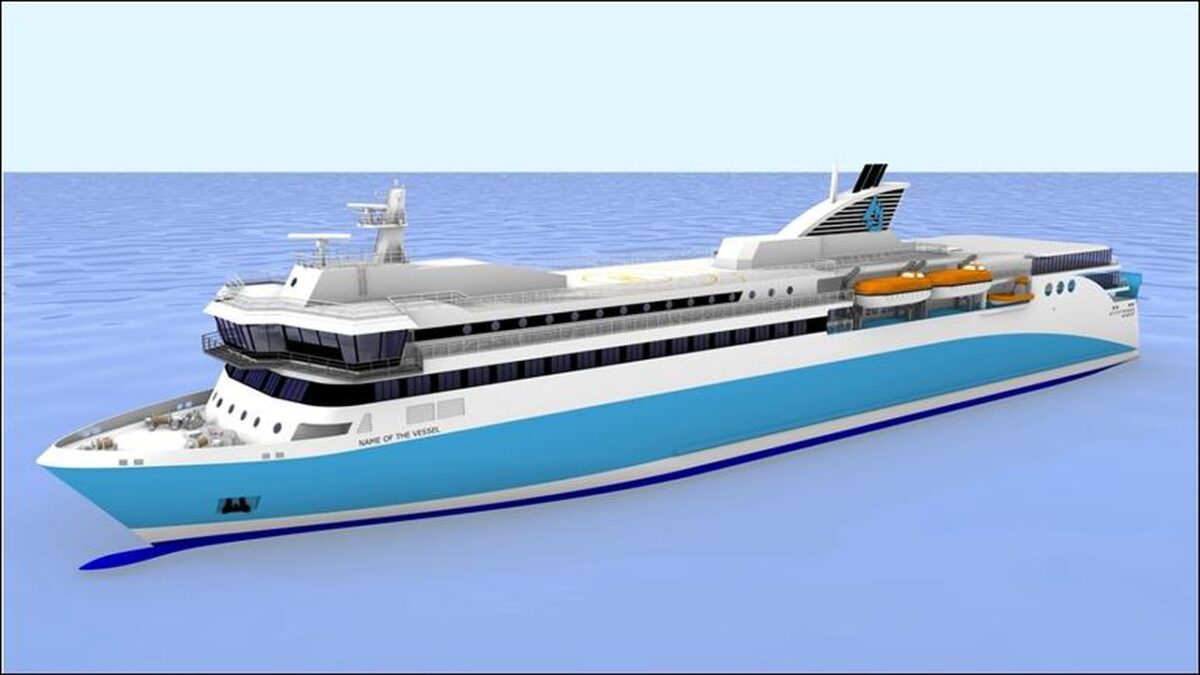
Foreship, a prominent part of the RINA Group, has unveiled a pioneering RoRo ferry concept specifically designed to meet the unique demands of the Greek ferry market. This innovative vessel design prioritizes exceptional energy efficiency, design simplicity, and stringent cost control measures. These core principles directly address the complex operational and commercial realities faced by operators within Greece’s extensive maritime network. Greece operates one of Europe’s largest ferry networks, connecting over 200 inhabited islands and transporting approximately 50 million passengers annually. However, operators face significant challenges: high seasonal demand, regulated fares, escalating operating costs, and the urgent need for fleet renewal to replace an aging fleet. Foreship’s new concept aims to provide a robust, commercially viable, and sustainable solution, fostering a more economically sound future for vital Greek island connections.
Addressing the Unique Challenges of the Greek Ferry Market
The Greek ferry sector is a critical lifeline for island communities and a cornerstone of the nation’s tourism. Yet, it grapples with formidable obstacles. High seasonality creates unstable demand and revenue fluctuations, while regulated fares limit pricing flexibility against rising expenses. Operational costs, driven by fuel, maintenance, and crew, are continuously climbing, further squeezing margins.
A pressing concern is the widespread aging fleet; many vessels serving Greek routes are nearing or exceeding their optimal lifespan. Operators face the dilemma of investing in new, compliant, and efficient vessels without prohibitive expenditure in a market known for tight margins. A solution balancing financial prudence with operational excellence is vital for the industry’s long-term health.
Foreship’s tailor-made RoRo ferry concept directly responds to these dynamics. As Ari Huttunen, Marine Design & Engineering Projects Principal Consultant at Foreship, stated: “This concept was developed in response to the specific challenges of the Greek market, with the aim of optimising both capital investment and operating costs. The design incorporates all the essential features required for safe and reliable operation while avoiding unnecessary complexity. The result is a robust and commercially viable vessel.” This philosophy ensures resilience and profitability in the demanding Mediterranean environment.
Innovative Design for Optimal Efficiency and Cost Control
At the core of Foreship’s new RoRo ferry design is a commitment to optimal energy efficiency and rigorous cost control. A significant departure from prioritizing high speed, which often means higher fuel consumption, this concept instead focuses on an optimized operating profile. It meticulously balances transit times with substantially reduced fuel burn. This strategic shift allows more fuel-efficient voyages without compromising service reliability, generating significant operational expenditure savings over the vessel’s lifespan.
The vessel’s optimized hull form is precisely designed for typical sea conditions and operational speeds in the Greek archipelago. This custom shaping minimizes hydrodynamic resistance, directly enhancing fuel economy and reducing the overall environmental footprint. Furthermore, the Foreship RoRo ferry concept integrates advanced machinery and system designs to maximize energy utilization. This includes exploring various propulsion options, potentially featuring hybrid or electric-ready solutions capable of significantly reducing emissions and fuel consumption, particularly during port calls and in sensitive marine areas.
Beyond propulsion, the design incorporates features like waste heat recovery, optimized HVAC, and intelligent power management systems, all contributing to a lower energy footprint and improved efficiency. The emphasis on design simplicity also translates into easier maintenance and fewer complex systems, further reducing long-term operational costs and enhancing vessel reliability. This holistic approach ensures the vessel is both energy-efficient and exceptionally cost-effective, proving a vital asset for sustainable maritime transport.
Key Features of the Foreship RoRo Ferry Concept
The Foreship RoRo ferry concept is engineered for robust and versatile service, efficiently meeting both passenger and cargo transport needs. It prioritizes generous vehicle deck capacities for seamless, rapid loading and unloading of cars, trucks, and other wheeled cargo. This capability is indispensable for island logistics and commerce. The deck layout is optimized for swift port turnaround times, a critical factor for maintaining schedules in a busy ferry network, directly enhancing operational fluidity and reliability.
For passengers, the design balances comfort with practicality. While avoiding extravagance to control costs, the vessel ensures modern amenities like comfortable seating, essential catering, and accessible public spaces. Safety is paramount, with the design rigorously adhering to the latest international maritime regulations and incorporating robust safety features. The “no-frills, robust” approach ensures every feature serves a clear, functional purpose, contributing to overall utility and commercial viability without superfluous expenses.
Moreover, the concept emphasizes exceptional operational flexibility. The vessel is adaptable to various routes within the Greek archipelago, capable of handling different port configurations and fluctuating demands. This versatility allows operators to deploy the vessel effectively across their network, responding efficiently to changing seasonal requirements. The straightforward design also simplifies crew training and streamlines maintenance, contributing further to overall efficiency and a lower total cost of ownership.
A Sustainable Future for Greek Ferry Operations
The profound emphasis on energy efficiency in Foreship’s new RoRo ferry concept positions it as a pivotal step towards a more sustainable future for Greek maritime transport. By optimizing the vessel’s operating profile, hull design, and machinery, the concept aims to dramatically reduce fuel consumption and greenhouse gas emissions. This aligns with global pressure on shipping to decarbonize and meet environmental targets. For the Greek ferry market, a region of pristine waters, mitigating the environmental footprint is not just a regulatory obligation but an ecological imperative.
Implementing such sustainable vessel designs offers extensive benefits. Lower fuel consumption directly translates to reduced air pollution, improving air quality in port cities and across the islands. Quieter operation and advanced wastewater management systems minimize impacts on marine ecosystems. This proactive environmental stewardship enhances the public image of operators and supports Greece’s reputation as a green tourism destination, attracting environmentally conscious travelers. The Foreship RoRo ferry concept offers a tangible pathway to cleaner, greener maritime operations.
Beyond environmental advantages, energy efficiency provides a powerful economic incentive. Fuel costs are a substantial portion of operating expenses; significant reductions directly impact the bottom line. By investing in efficient newbuilds, Greek ferry companies achieve long-term financial resilience, insulating themselves from volatile fuel markets. This economic viability is crucial for enabling the widespread fleet renewal that the Greek market urgently needs, ensuring sustainability is a fundamental component of successful business strategy.
Economic Impact and Market Adoption
The introduction of Foreship’s innovative RoRo ferry concept holds substantial promise for positive economic impact within the Greek ferry market. By targeting reduced capital investment and lower operational costs, Foreship offers a pragmatic pathway for operators to undertake much-needed fleet renewal. Replacing aging vessels with modern, fuel-efficient ships leads to significant savings on maintenance, repairs, and fuel, improving profitability even with regulated fares. This financial advantage is critical for fostering competitiveness and ensuring the long-term health of ferry companies.
Furthermore, improved energy efficiency and environmental performance could unlock access to green financing options and subsidies, easing the financial burden of new constructions. This could accelerate the modernization of the Greek ferry fleet, stimulating job creation in shipbuilding and associated maritime industries. A modernized, efficient, and reliable ferry network provides broad economic benefits, bolstering tourism, facilitating inter-island commerce, and guaranteeing essential connectivity for island communities.
The commercial viability and practicality of the Foreship RoRo ferry concept are expected to drive its adoption among Greek operators. Its tailored nature means it intrinsically understands the local operational landscape. As operators seek to future-proof their fleets against rising costs and stricter environmental regulations, a design offering both economic and ecological advantages will be highly attractive. The potential for a standardized, yet adaptable, vessel type could also lead to economies of scale in construction and maintenance, making it a compelling proposition for fleet-wide upgrades.
Conclusion
Foreship’s unveiling of its new RoRo ferry concept, meticulously tailored for the demanding Greek ferry market, marks a transformative moment for the region’s maritime transport sector. By championing a design philosophy rooted in paramount energy efficiency, operational simplicity, and rigorous cost control, this innovative vessel offers a pragmatic solution to the multifaceted challenges confronting Greek ferry operators. From navigating seasonal demand and regulated fares to addressing the urgent need for comprehensive fleet renewal, the concept directly addresses core issues, promising enhanced operational performance and significant economic and environmental benefits.
This forward-thinking vessel design represents a strategic paradigm shift towards more sustainable and economically resilient maritime operations. By moving away from unbridled speed towards an optimized operating profile, Foreship has engineered a vessel that promises substantial reductions in fuel consumption and environmental impact, aligning seamlessly with global decarbonization efforts. This commitment to sustainability, coupled with a keen focus on practical functionality and reduced total cost of ownership, positions the new RoRo ferry concept as a cornerstone for modernizing the Greek ferry fleet.
Ultimately, Foreship’s initiative provides a clear pathway for Greek ferry operators to navigate market complexities with renewed confidence. It offers a blueprint for replacing aging tonnage with robust, commercially viable, and environmentally responsible vessels, securing essential island connections for residents and tourists. The Foreship RoRo ferry concept is more than just a ship design; it is a vision for a more efficient, sustainable, and prosperous future for maritime transport across the Greek archipelago, setting a new benchmark for regional ferry solutions.