PIL and Qingdao Port complete China’s first bio-LNG bunkering

PIL’s Kota Odyssey receives China's first bio-methane bunkering for international shipping, cutting emissions by 70% on the Asia-West Africa route.
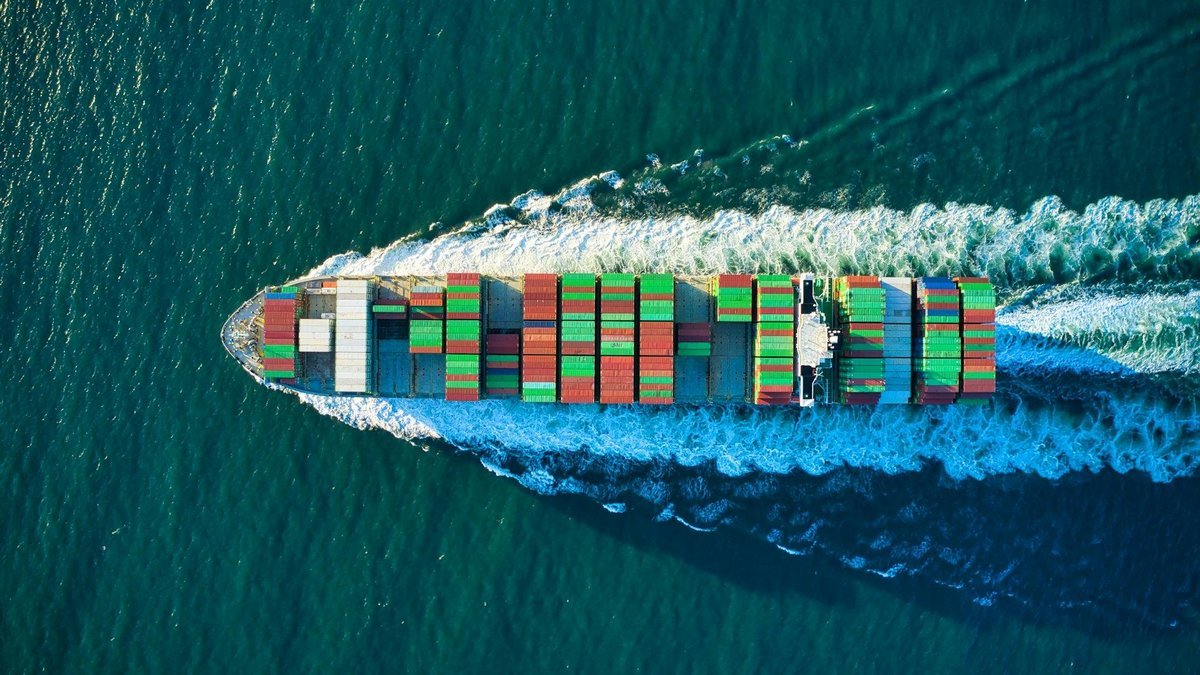
Pacific International Lines (PIL) and Qingdao Port have completed China’s first liquefied bio-methane (LBM) bunkering for an internationally trading vessel, proving the operational readiness of Chinese terminals to supply renewable alternatives to the global fleet. The truck-to-ship transfer at the QQCTN terminal supplied the LNG dual-fuel containership Kota Odyssey with ISCC-certified fuel, marking the first use of the renewable drop-in in PIL’s fleet.
The Kota Odyssey, delivered in 2024, operates on PIL’s SWS service connecting Asia and West Africa. According to the carrier, the LBM batch supplied at Qingdao is expected to reduce greenhouse gas emissions by more than 70% on a well-to-wake lifecycle basis compared with conventional fuel oil and fossil LNG. Produced from organic feedstocks, LBM functions as a direct replacement for fossil LNG without requiring modifications to existing dual-fuel engines.
This operation follows a significant capital commitment from PIL, which has ordered 28 LNG dual-fuel containerships since 2022. While the companies did not disclose the volume of LBM supplied or the commercial terms of the arrangement, Qingdao Port officials stated the partnership supports the port’s development as a regional green bunkering hub.
Why it matters
For shipowners who have bet heavily on LNG dual-fuel technology, this operation validates the transition path from fossil gas to renewable alternatives. PIL’s order book of 28 vessels represents a massive bet on the availability of these fuels. The successful bunkering in Qingdao suggests that the infrastructure for decarbonizing LNG-powered fleets is moving from theoretical pilot projects to operational reality in major Chinese ports.
The location is as important as the fuel. By establishing LBM capabilities at the QQCTN terminal, Qingdao is positioning itself to capture the bunkering business of the hundreds of LNG-ready vessels currently on the global order book. This move signals to charterers and owners that China intends to compete with Singapore and European hubs for the supply of lower-emission marine fuels.
The deployment of LBM on the Asia-West Africa route also indicates that green fuel availability is expanding beyond the high-profile transpacific and Asia-Europe corridors. For cargo owners on secondary trade lanes, this provides a concrete mechanism to reduce Scope 3 emissions without waiting for the delivery of ammonia or hydrogen-ready tonnage.
What to watch
The next trigger for the market is the disclosure of commercial scale. While this maiden bunkering proves the technical feasibility, the industry now needs to see if Qingdao can provide LBM at the volumes required for regular service and at a price point that makes it a viable alternative to fossil LNG. The lack of disclosed volumes in this instance leaves the question of supply depth unanswered.