Saadé admits 2050 net zero is out of reach for CMA CGM

Rodolphe Saadé warns that $1trn in investment and geopolitical conflicts make shipping's 2050 decarbonization goals unrealistic.
CMA CGM chairman and CEO Rodolphe Saadé has conceded that shipping’s 2050 net zero targets are likely unachievable, signaling a major retreat from one of the industry’s most vocal decarbonization proponents just days before crucial international negotiations.
Speaking at the Assises de l’économie de la mer in Montpellier, Saadé estimated the investment required to decarbonize global shipping at more than $1trn. He stated that under current circumstances, the industry will not meet its 2050 targets, citing geopolitical conflicts that lengthen voyages and drive up operating costs.
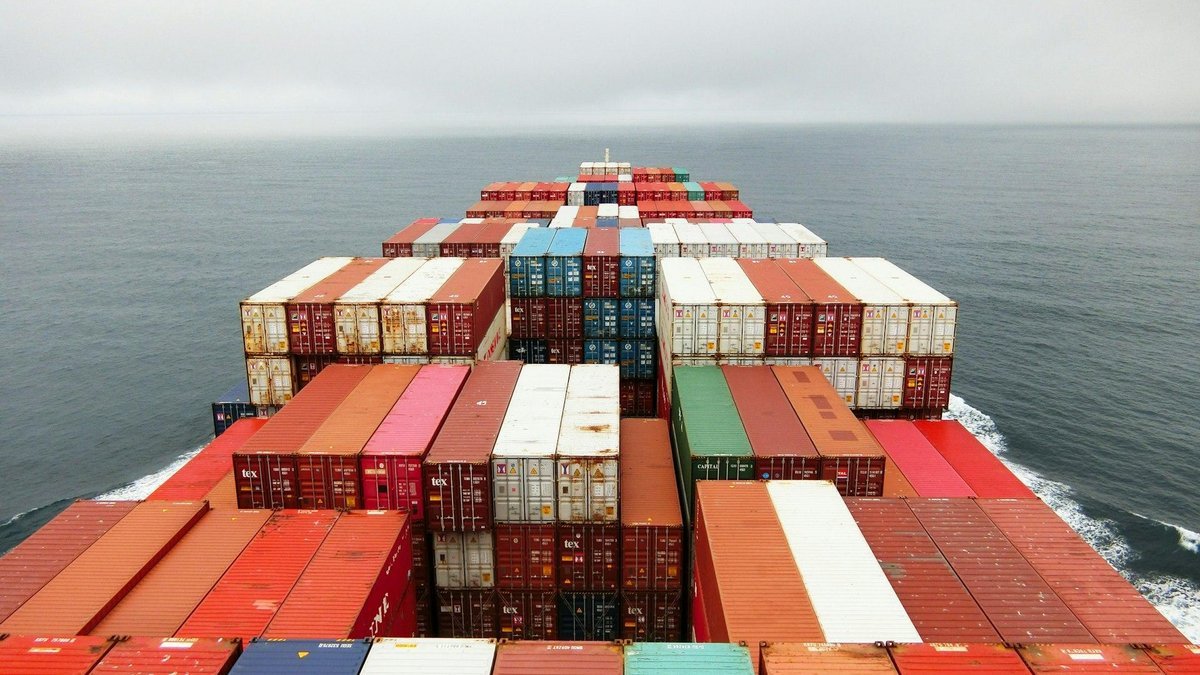
The French shipping magnate also pointed to the absence of a unified international regulatory framework and the slow development of low-carbon fuels as primary obstacles. Despite these challenges, CMA CGM has committed nearly $30bn to LNG- and methanol-powered newbuilds, with more than 200 dual-fuel vessels expected in its fleet by 2030. The carrier operates over 700 containerships, of which 400 are owned.
Saadé further criticized the recurring uncertainty surrounding France’s tonnage tax regime. He noted that employing French petty officers adds €2m annually to a ship’s operating costs. In September, CMA CGM dropped plans to register seven large newbuilds under the French flag, citing additional taxation.
Why it matters
Saadé’s admission provides a reality check for the International Maritime Organization’s Marine Environment Protection Committee meeting in London next week. When a carrier with $30bn already committed to green newbuilds says the math does not work, it gives member states a reason to resist the proposed Net-Zero Framework. The $1trn price tag shifts the conversation from environmental ambition to financial survival, suggesting the cost of the transition will eventually land on the balance sheets of charterers and cargo owners through higher freight rates.
The retreat from the French flag highlights the fragility of national maritime hubs. If a carrier the size of CMA CGM cannot justify the €2m annual premium for domestic crews and faces tax uncertainty, smaller owners are likely to follow the flight to more stable tonnage tax regimes. These regimes already cover 86% of the global fleet and are in place in 22 European countries, making the French flag increasingly uncompetitive for long-term vessel investments spanning 25 years.
What to watch
The opening of the IMO’s Marine Environment Protection Committee meeting in London next Monday, where member states will attempt to overcome divisions surrounding the proposed Net-Zero Framework.