Port of Brisbane launches Green Button to cut deep-draft vessel emissions

Brisbane’s new Green Button tool helps deep-draft vessels optimize transit speeds and reduce fuel burn across its 90km shipping channel.
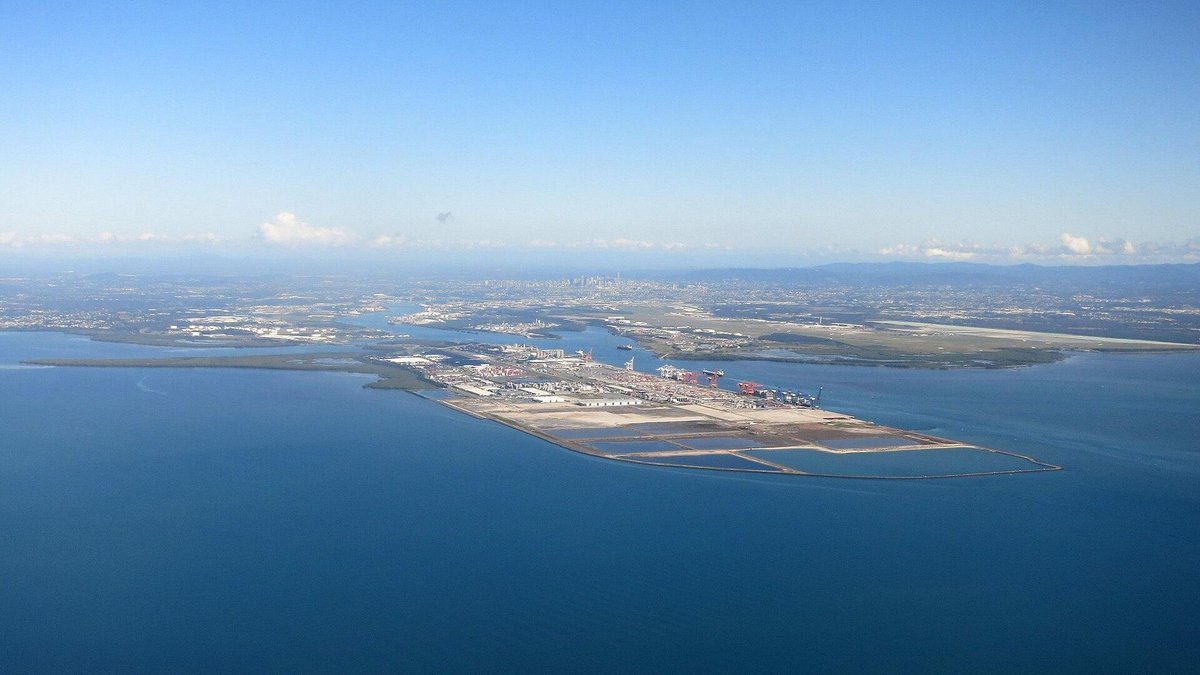
The Port of Brisbane has activated its Green Button functionality for deep-draft vessels, providing a data-driven path to lower fuel consumption and emissions across its 90-kilometre shipping channel. The tool specifically targets vessels with a draft exceeding 12 metres, integrating environmental forecasts with transit speed profiles to maximize efficiency within designated arrival and departure windows.
Port of Brisbane CEO Neil Stephens confirmed the rollout following successful trials in 2024 involving Maersk, CMA CGM, Poseidon Sea Pilots, and Maritime Safety Queensland. The technology is an addition to the Nonlinear Channel Optimisation Simulator (NCOS) Online, a platform developed with DHI Seaport that has been in use at the port since 2017. The system draws on forecast wind, currents, tides, and water depth to calculate efficient transit plans and estimate potential emissions reductions against standard operating profiles.
NCOS Online already provides a seven-day forecast of under-keel clearance and environmental conditions. This allows the Regional Harbour Master and other stakeholders to determine the clearance needed for larger vessels and set safe operating parameters for landside operations.
Why it matters
For owners and charterers of deep-draft tonnage, the 90-kilometre transit into Brisbane is a high-stakes exercise in fuel management. By using real-time environmental data to calculate optimal speed profiles, the Green Button moves the port beyond simple safety monitoring into active operational optimization. This likely reduces the reliance on standard operating profiles that may not account for specific tidal or current efficiencies available on a given day.
The collaboration with Maersk and CMA CGM suggests that major carriers are looking for ports to provide the data infrastructure necessary to meet tightening emissions targets. If the tool delivers the estimated fuel savings, it sets a precedent for how long-channel ports can assist carriers in lowering their operational costs and emissions simultaneously. It shifts the burden of efficiency from the ship’s bridge alone to a collaborative model involving the port and pilots.
The system also improves the reliability of scheduling for the largest vessels in the fleet. By providing a more accurate picture of under-keel clearance and environmental conditions, the port can manage the risks associated with deep-draft movements more effectively, potentially reducing the likelihood of delays caused by conservative safety margins.
What to watch
The next step is to see if DHI Seaport and the Port of Brisbane export this technology to other deep-water ports that currently use the NCOS Online platform for safety and scheduling.