Shipping industry warns EU to approve Indian yards or face capacity crisis

Global shipping bodies urge MEPs to add Indian yards to the EU list, warning that European facilities cannot handle large merchant vessel recycling.
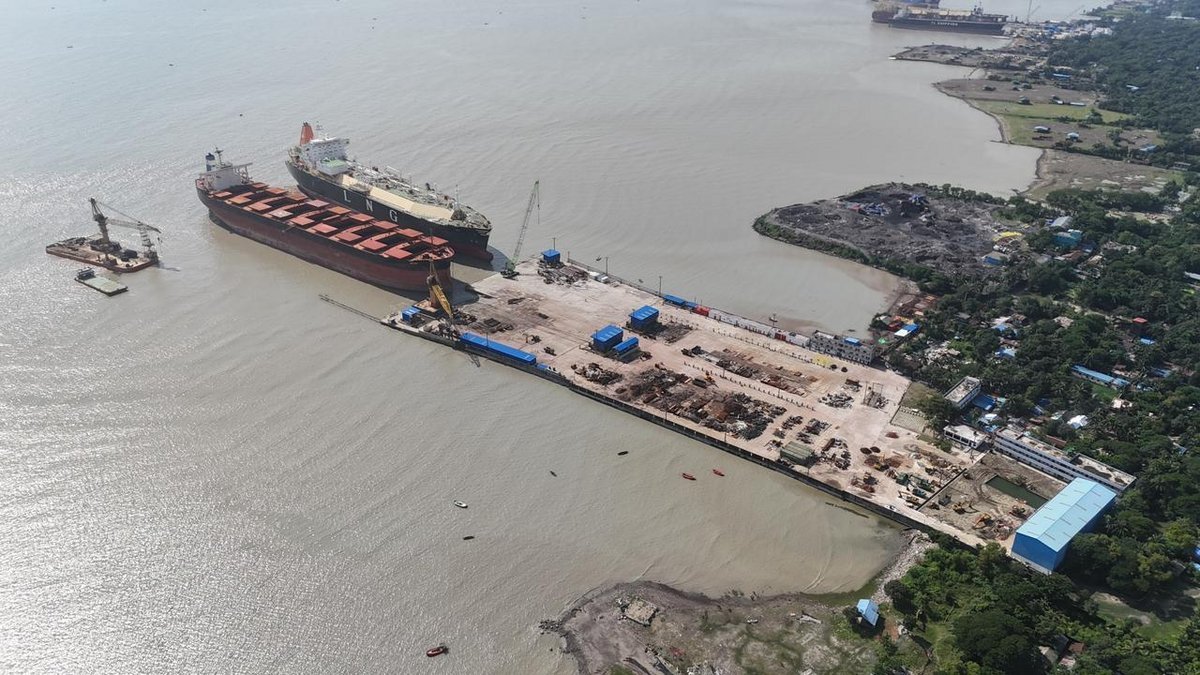
Global shipping associations are demanding that the European Parliament stop blocking compliant Indian recycling yards from the European List, warning that European facilities lack the scale to handle the coming wave of merchant ship retirements. The industry coalition, including BIMCO, ECSA, and the International Chamber of Shipping, issued an open letter ahead of a plenary vote on a motion to reject two Indian facilities that have already passed independent inspections.
The two yards in question were found compliant with the EU Ship Recycling Regulation (EU SRR) following an extensive evaluation process. The shipping groups, which also include INTERTANKO, INTERCARGO, and the World Shipping Council, argue that inclusion on the list should be based on objective safety and environmental standards rather than geography. They state that these yards have made significant capital investments to upgrade infrastructure and safety systems to meet international requirements.
Why it matters
European yards are currently bit players in the global recycling market and cannot accommodate the merchant fleet. Data cited by the associations shows that while EU-listed yards handle 8% of recycled ships worldwide, they account for only 2% of the Light Displacement Tonnage (LDT). The average ship scrapped in the EU is just 30% the size of the global average. This mismatch means owners of large tankers, bulkers, and container ships have almost no viable EU-listed options for end-of-life disposal.
Rejecting yards that meet the EU’s own technical standards creates a double standard that risks stalling global safety improvements. If the European Parliament rejects facilities on political grounds after they have met the EU SRR requirements, it removes the commercial incentive for other South Asian yards to upgrade their environmental and workplace health standards. This would undermine the Hong Kong Convention and the EU’s own stated goal of creating a global level playing field.
The capacity crunch is set to worsen as a significant number of vessels reach the end of their operational lives over the next decade. Without the inclusion of large-scale, compliant facilities in South Asia, the European List will remain a registry for small offshore units, fishing vessels, and inland ships, leaving the global merchant fleet without enough legal recycling slots to meet demand.
What to watch
The European Parliament plenary vote this week will determine whether the EU list expands to include non-OECD capacity or remains restricted to smaller regional facilities, directly impacting where owners can legally scrap large-tonnage vessels.