Equinor and NCL extend biomethanol supply deal through 2027

Equinor will continue supplying biomethanol to NCL’s dual-fuel container vessels through 2027, securing a low-carbon corridor along the Norwegian coast.
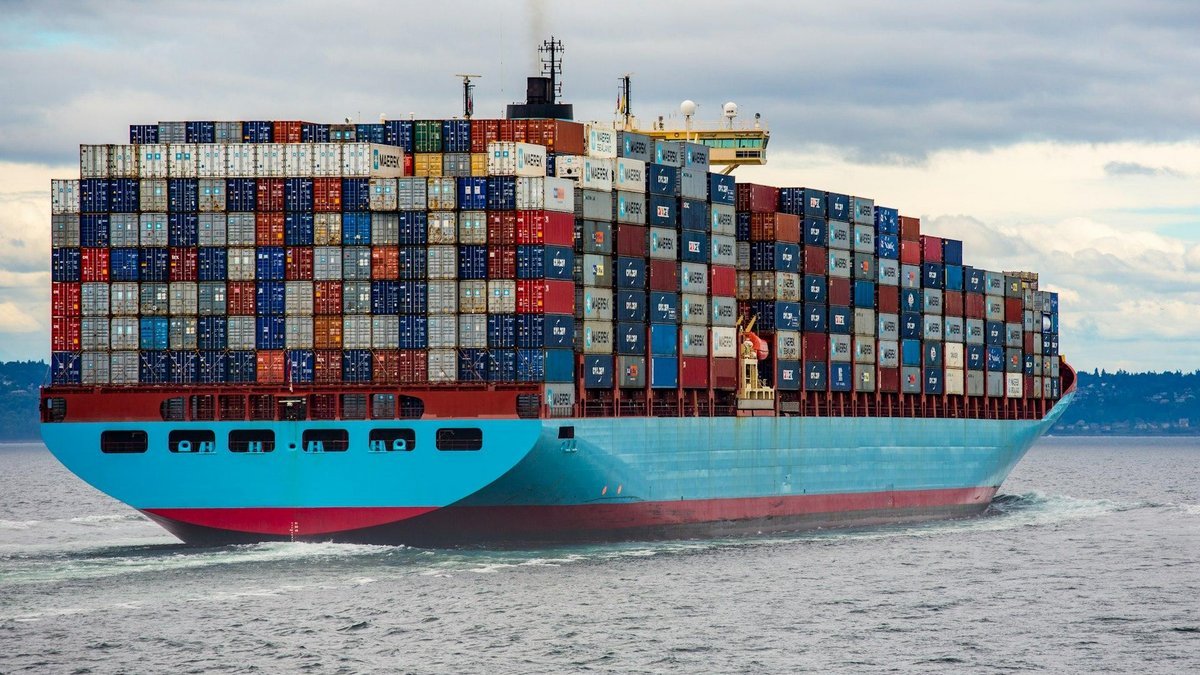
Equinor and North Sea Container Line (NCL) have extended their collaboration on low-carbon marine fuels through 2027. Under the agreement, Equinor will continue to supply biomethanol from its Tjeldbergodden plant in Norway to power NCL’s dual-fuel container vessels, NCL Vestland and NCL Nordland.
The two companies began their partnership in 2026, establishing a direct supply chain between Equinor’s production facility and NCL’s coastal container operations. The Tjeldbergodden plant produces biomethanol using mass-balanced biomethane sourced from the European gas grid.
Why it matters
The extension confirms that NCL’s dual-fuel fleet will remain locked into a specific, certified low-carbon supply chain for the next three years. By securing this volume, NCL avoids the volatility of the broader alternative fuel spot market while maintaining its operational footprint along the Norwegian coastline.
For Equinor, the deal validates the Tjeldbergodden plant’s role as a regional hub for alternative marine fuels. The use of mass-balanced biomethane from the European grid suggests that the supply chain is highly dependent on the stability of European gas infrastructure and the regulatory framework governing biomethane certification.
The lack of disclosed financial terms or fuel volumes leaves the actual cost premium of this transition opaque. Owners and charterers looking to replicate this model must weigh the benefit of a stable, long-term supply agreement against the currently undisclosed price of sourcing mass-balanced biomethanol compared to conventional bunkers.
What to watch
The companies have not disclosed fuel volumes or financial terms, leaving the economic viability of the supply chain for other operators unclear. Future updates on the scaling of biomethanol production at Tjeldbergodden will indicate whether this model can expand beyond NCL’s two current vessels.