Montreal targets luxury growth with first winter cruise season

Montreal Port Authority reports a 34% rise in 2027 cruise operations and the launch of the first-ever winter season in the St. Lawrence.
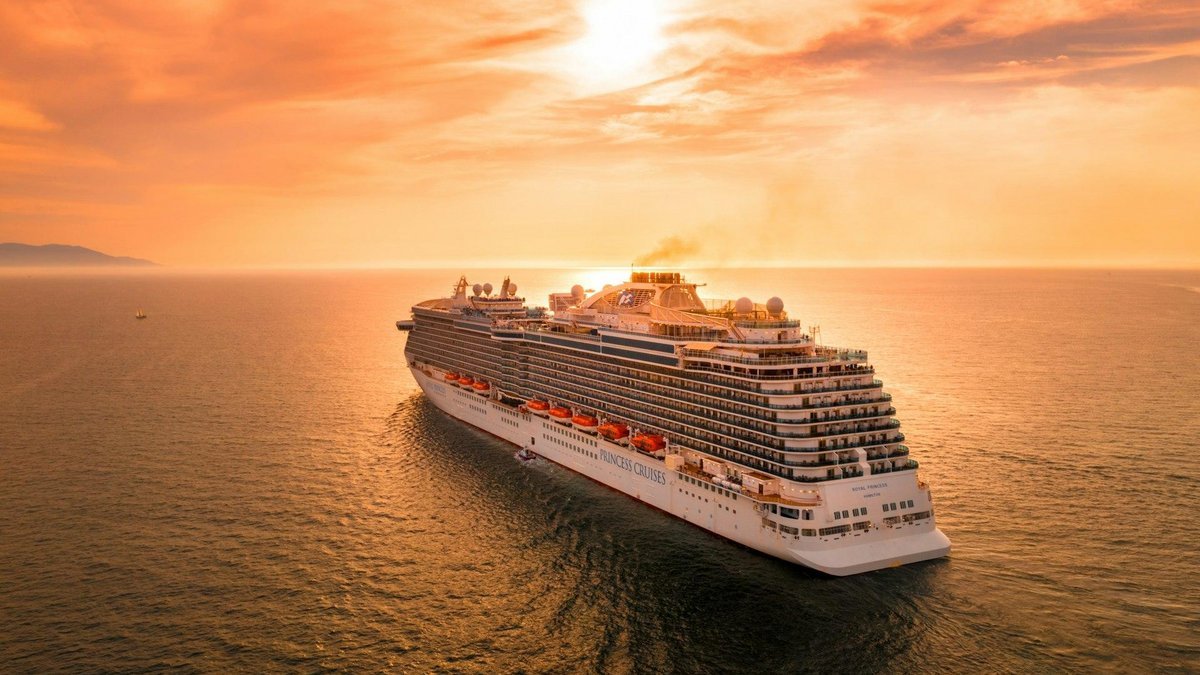
Montreal is pivoting to a high-value, year-round cruise model, launching its first winter season in February 2027 as total vessel operations are scheduled to jump 34 percent. The Montreal Port Authority confirmed the shift following a 2026 season that saw luxury vessels account for nearly two-thirds of all cruise activity.
The 2026 season concluded October 31 with 45,132 passengers handled across 38 operations. While international traffic involved 17 ships from 15 different lines, the port is preparing for a sharper increase in 2027. Schedules show 51 operations involving 19 ships, including the arrival of three vessels new to the port: PONANT’s Le Commandant Charcot, Oceania Cruises’ Sirena, and Viking Octantis.
A major shift in the regional trade occurs on February 13, 2027, when Le Commandant Charcot begins the first winter cruise itinerary from Montreal. This round-trip service will transit the St. Lawrence with calls at Quebec City, Saguenay, Gaspe, and Sept-Iles. Looking further ahead, the port secured the return of AIDA Cruises for the 2028 season after an eight-year absence.
Why it matters
The dominance of the luxury segment, now representing 66 percent of operations, changes the economic profile of the port’s cruise business. For terminal operators and local suppliers, this shift prioritizes high-margin services for smaller, premium vessels over the high-volume requirements of mass-market mega-ships. The data suggests Montreal is successfully branding itself as a niche destination for high-spending demographics.
The move to a February start date tests the operational limits of the St. Lawrence. Launching winter cruises requires specialized ice-class tonnage and coordinated pilotage through seasonal conditions. If PONANT’s inaugural winter transit succeeds, it opens a new window for expedition lines to deploy assets in Canadian waters during what has traditionally been a dormant period for the region.
The 2027 outlook shows a 140 percent increase in overnight operations, rising from five to 12. For ship agents and provisioners, these extended stays represent a direct increase in billable hours and service requirements. Longer port stays typically lead to higher spending on shoreside technical services and bunkering, providing a more stable revenue stream for the port than quick day-calls.
Finally, the 88 percent increase in port calls scheduled for 2027 indicates that Montreal is gaining traction as a transit point, not just a turnaround hub. This diversification of vessel movements reduces the port’s reliance on specific embarkation windows and spreads the operational load across a wider calendar.
What to watch
The industry will be monitoring the technical performance and passenger demand for Le Commandant Charcot’s February 13 departure, which serves as the proof of concept for the St. Lawrence winter cruise market. Success here will likely dictate whether other ice-class expedition operators commit tonnage to the 2028 and 2029 seasons.