ONE hikes Latin American inland fuel fees as Middle East risks bite

Ocean Network Express passes Middle East energy market costs to Latin American shippers, with Panama fees hitting $300 per container.
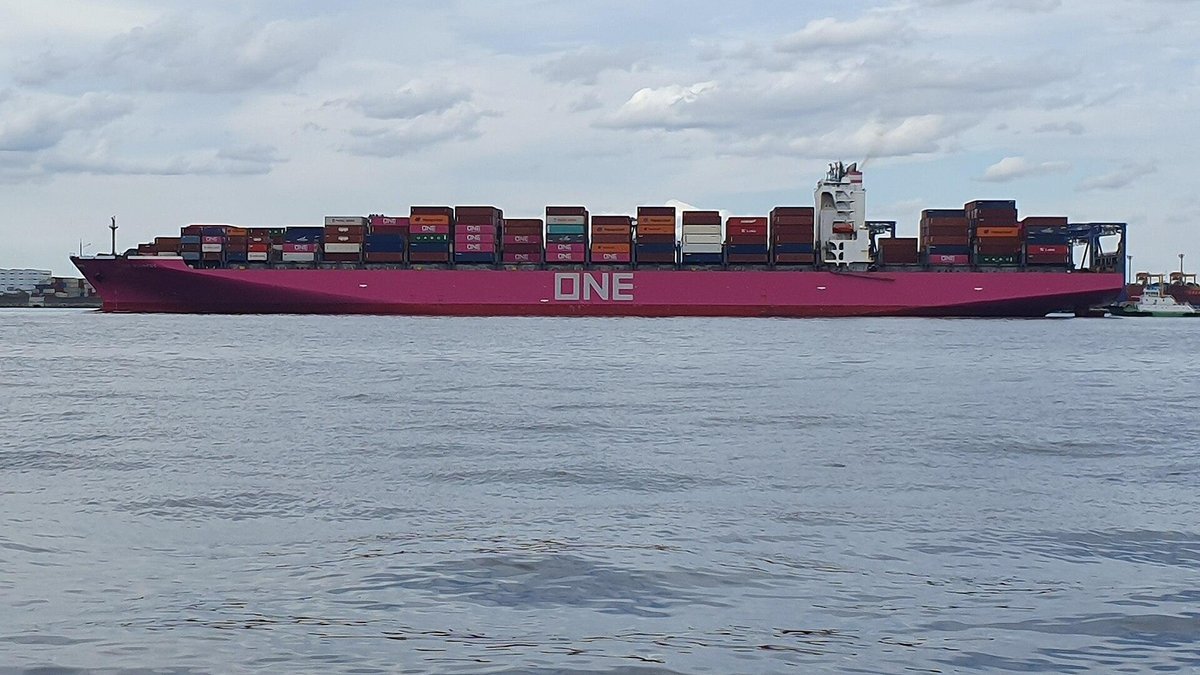
Ocean Network Express (ONE) will raise inland fuel charges across 14 Latin American countries starting December 2026, forcing shippers to absorb the costs of Middle East energy market volatility on land-side logistics.
The revised tariffs apply to both exports and imports across all trade lanes involving nations from Mexico to Uruguay. ONE cited the security situation in the Middle East as the primary driver, claiming the conflict has disrupted fuel availability, refinery output and global distribution. While the carrier previously published levels for these regions, the new schedule introduces specific increases for Chile, Costa Rica, El Salvador, Guatemala, Honduras, Panama and Paraguay.
The updated rates take effect on 5 December 2026 for non-FMC-regulated trades. For FMC-regulated trades and Canada, the new levels apply from 20 December 2026.
Why it matters
Shippers moving cargo through Panama face the most aggressive adjustment, where the charge will climb to $300 per container for both dry and refrigerated units. This move demonstrates how security risks in one hemisphere can directly inflate the cost of a truck or rail move in another. By linking inland surcharges to Middle East refinery output, ONE is shifting the financial burden of global energy instability onto the local land-side legs of the supply chain.
The December 2026 deadlines give cargo owners a window to bake these costs into their long-term logistics budgets. Because the charges apply to both imports and exports, regional producers and retailers will see their margins squeezed from both ends of the transport chain. The application of the $300 fee to both dry and refrigerated equipment in Panama ensures that no cargo segment is exempt from the rising cost of local distribution.
ONE is signaling that these are not static fees. By stating that further adjustments may follow as energy markets evolve, the carrier is moving away from fixed inland pricing and toward a more reactive cost model for land-side transport.
What to watch
The implementation remains subject to regulatory approvals and applicable notice periods in the affected countries. Further adjustments to these levels will depend on the evolution of energy-market conditions and the security situation in the Middle East.