Hapag-Lloyd halts petroleum export bookings from Türkiye

Hapag-Lloyd has stopped accepting petroleum bookings from Türkiye, forcing specialized oil shippers to find new container carriers.
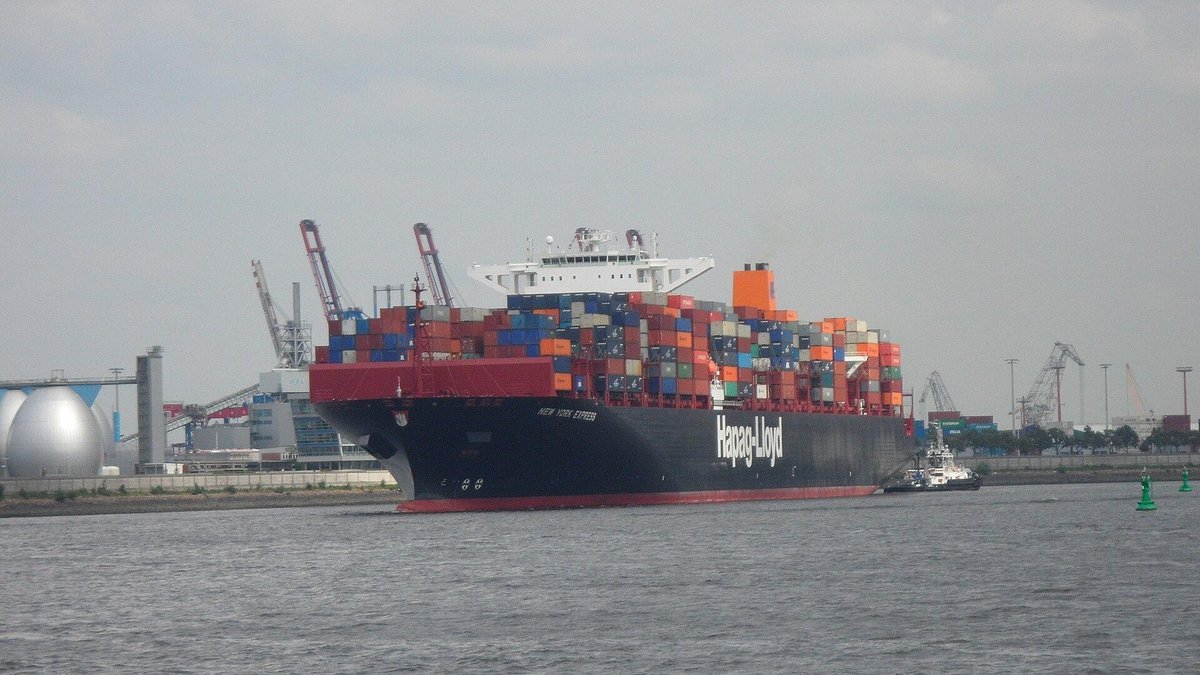
Hapag-Lloyd has immediately halted all new export bookings for crude and refined petroleum products from Türkiye, cutting off a transport route for specialized oil-based cargoes moving in containers.
The German carrier confirmed the suspension applies to shipments from Türkiye to all global destinations. The ban covers crude oil under HS code 2709 and a broad range of refined products under Chapter 27, including petroleum gases, wax, coke, and bitumen. Hapag-Lloyd provided no timeline for when bookings might resume and did not disclose the reason for the decision.
Why it matters
While bulk tankers move the majority of the world’s oil, specialized petroleum products like bitumen, petroleum coke, and gases often move via the container network in ISO tanks or specialized packaging. Hapag-Lloyd’s exit from this trade in Türkiye leaves shippers of these niche commodities with one fewer major carrier, likely tightening capacity and increasing costs for those who must now find alternative slots.
The suddenness of the move and the lack of an explained cause point to a shift in the carrier’s risk appetite or a response to the evolving regulatory environment surrounding Turkish exports. For charterers and traders, the immediate nature of the suspension means existing supply chains for these specific HS codes are disrupted without notice.
This decision specifically impacts the movement of liquefied petroleum gases and natural gas under HS codes 2711.12 through 2711.29. These cargoes require specialized handling and equipment, and the withdrawal of a top-tier global line like Hapag-Lloyd reduces the available pool of high-specification container equipment in the region.
What to watch
The primary risk is whether other major container lines follow Hapag-Lloyd’s lead, which would force a total reconfiguration of the containerized petroleum trade out of the region.