Cosco bets $4.65bn profit on 1.46m TEU fleet expansion

Cosco Shipping Holdings reports $4.65bn profit as it pushes a 100-vessel newbuilding program to dominate routes by 2030.
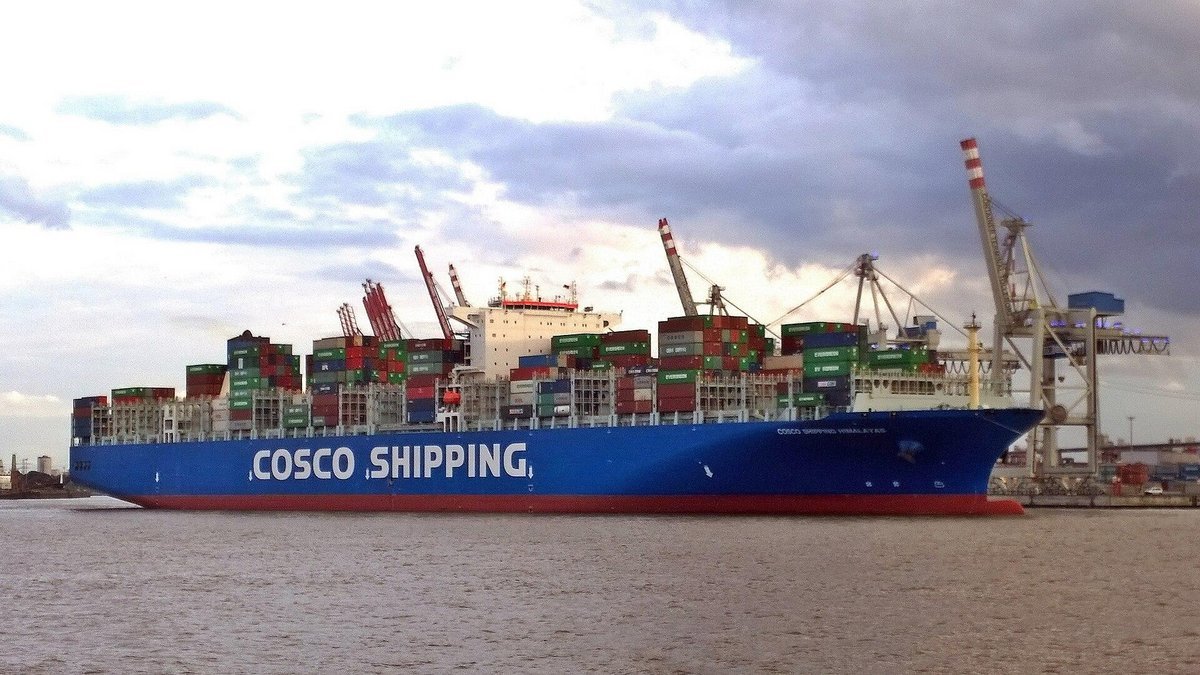
Cosco Shipping Holdings is leveraging a $4.65 billion nine-month profit to fund a massive 1.46 million TEU expansion, signaling a bet that fleet renewal and geopolitical shifts will outweigh industry-wide overcapacity risks. The state-owned giant is positioning itself to dominate global trade lanes by 2030, even as competitors warn of a looming vessel glut.
Cosco and its subsidiary OOCL currently have 100 vessels on order, representing roughly 1.46 million TEU of new capacity. The company has also secured leases for vessels under construction totaling another 500,000 TEU. These additions will bolster a self-operated fleet that already stands at 610 vessels with a capacity of 3.66 million TEU.
The expansion follows a strong financial performance for the first nine months of the year. Revenue reached $28 billion, a 12% increase year on year, while net profit climbed 13% to $4.65 billion. Management told shareholders that these newbuilding decisions are based on trade trends rather than speculation.
Why it matters
Cosco is using its massive capital reserves to execute a structural takeover of market share while the rest of the industry hesitates. By citing the fact that 22% of the global container fleet will be over 20 years old by 2028, Cosco is framing its expansion as a necessary replacement cycle. This allows the company to modernize for environmental regulations while ensuring it has the youngest, most efficient tonnage on Asia-Europe and Transpacific routes.
The strategy extends beyond the water. The opening of a regional headquarters in Chongqing and the pursuit of an integrated shipping, ports, and logistics model shows Cosco is moving to control the entire supply chain from the factory floor to the destination port. For cargo owners, this suggests Cosco will prioritize long-term stability and supply chain security over spot-market volatility.
This aggressive growth puts pressure on other carriers. While many owners fear overcapacity will crash rates, Cosco is banking on its ability to consolidate its competitive advantage on trunk routes. By starting annual long-term contract negotiations on European routes now, the company is building a resilient earnings base that can withstand the very market volatility its own expansion might otherwise trigger.
What to watch
Transpacific contract negotiations are scheduled to run between February and April 2025, which will test whether shippers are willing to commit to Cosco’s long-term capacity vision in exchange for price stability.