Maersk splits Trinidad feeder calls between Port of Spain and Point Lisas

Maersk clarifies port assignments for Calypso and Soca feeders, requiring shippers to use different terminals based on cargo direction.
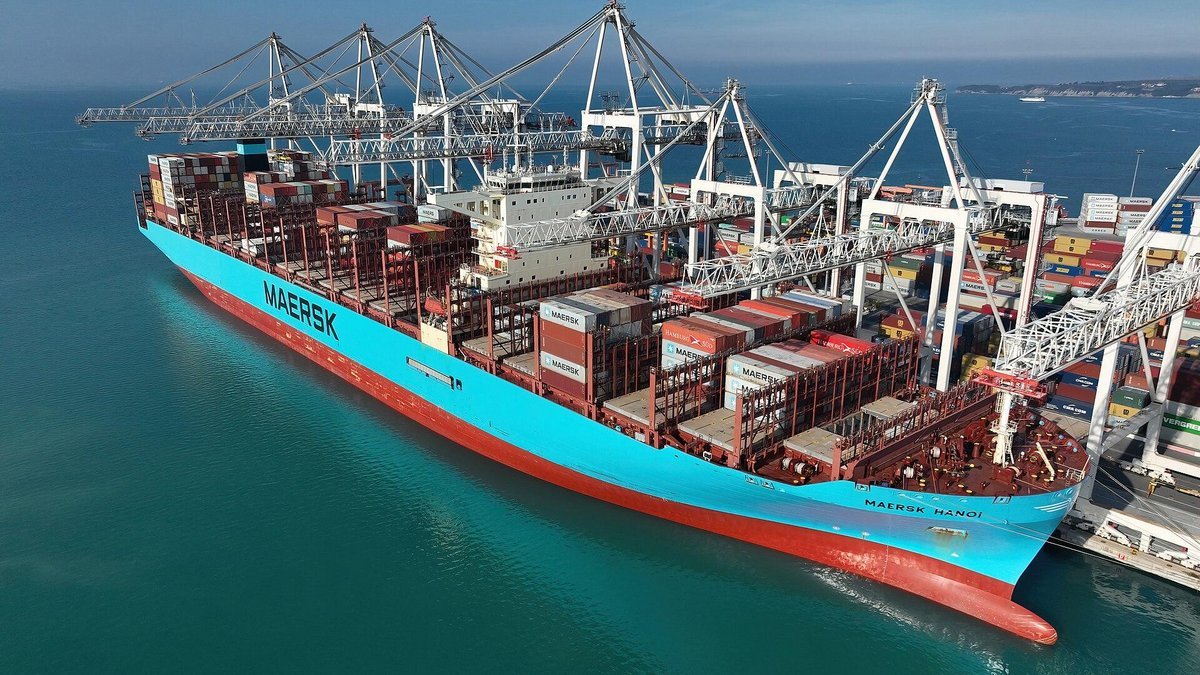
Maersk has formalized a split-port strategy for its Trinidad and Tobago feeder services, requiring shippers to match cargo to specific terminals based on trade direction and regional destination.
The carrier clarified the current configuration for its Calypso Feeder and Soca Feeder services. Under the arrangement, shipments will use either Port of Spain or Point Lisas depending on whether the cargo is moving between Trinidad and Tobago, Guyana, or Suriname.
The Calypso Feeder connects Trinidad and Tobago with Manzanillo and Paramaribo. The Soca Feeder provides the link between Georgetown and Point Lisas. Maersk has instructed customers to confirm the applicable port when planning deliveries and upcoming shipments on these two services.
Why it matters
This configuration places the burden of logistical precision directly on the shipper. By operating out of two different terminals in the same country for different regional legs, Maersk is prioritizing vessel rotation efficiency over landside simplicity. Shippers moving goods across the Southern Caribbean must now manage two distinct terminal interfaces, which complicates local drayage and documentation.
The split suggests that neither Port of Spain nor Point Lisas currently serves as a consolidated hub for Maersk’s regional volumes. Instead, the carrier is segmenting its Guyana and Suriname traffic, likely to manage berth availability or specific operational requirements at the two Trinidadian ports. For cargo owners, this means a higher risk of booking errors and potential extra costs if containers are delivered to the wrong terminal.
For feeder operators and regional traders, this arrangement confirms that Trinidad remains a fragmented market. Rather than a single point of entry, the dual-port requirement forces a more granular approach to supply chain planning in the Guyana-Suriname basin.
What to watch
Watch for customer feedback on booking accuracy as shippers adapt to the directional terminal requirements for the Calypso and Soca services.