Maersk hikes Asia-Europe peak season surcharges by up to 50%

Maersk will raise Peak Season Surcharges on Far East to Europe routes by up to $500 per container starting 14 December 2026.
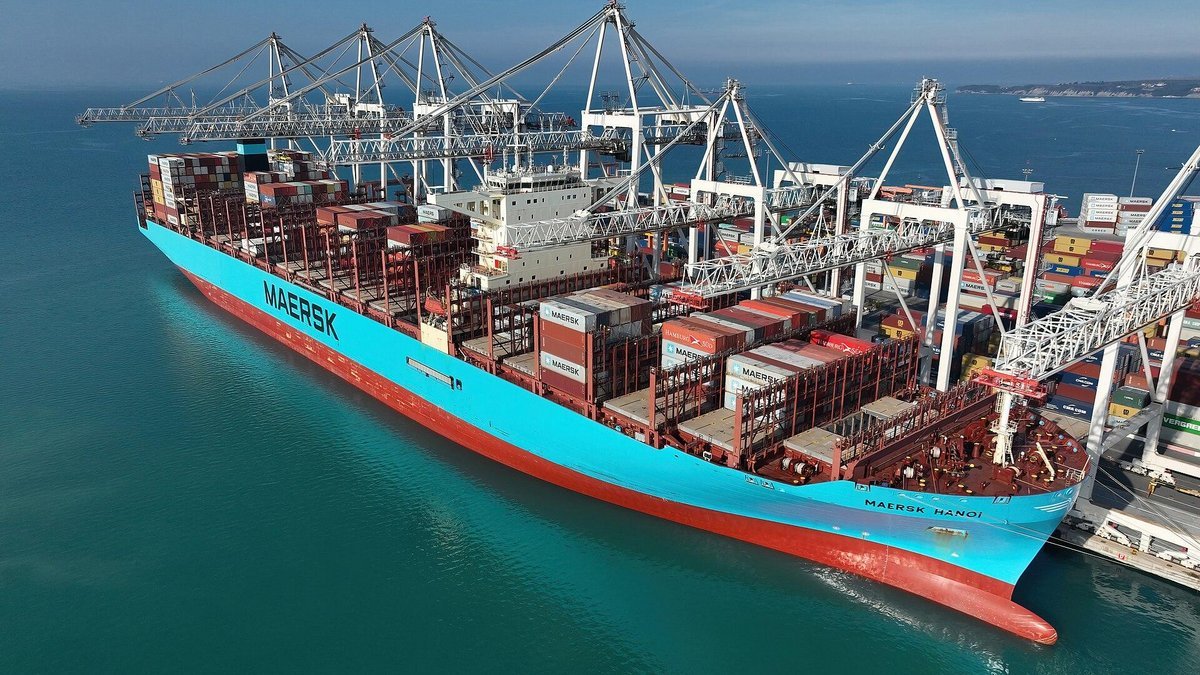
Maersk will hike its Peak Season Surcharge on shipments from Far East Asia to Northern Europe and the Mediterranean on 14 December 2026, forcing shippers to pay up to 50% more in surcharges on key trade lanes.
For Northern Europe, the surcharge for a 40-foot container rises from $1,000 to $1,500. A 20-foot container will cost $750, up from the $500 level effective since 1 December. On Mediterranean routes, the fee for 40-foot equipment moves to $2,000 from $1,500, while 20-foot containers increase to $1,000 from $750.
The origin scope includes 16 nations, covering major hubs such as China, Japan, South Korea, Vietnam, and Singapore. Maersk confirmed the surcharge applies to all equipment types, including dry, high-cube, refrigerated, and specialized units like flat racks and tanks. Separate euro-denominated levels will apply to shipments destined for Syria.
Why it matters
The scale of the increase directly changes the economics of the Asia-Europe trade. A $500 jump for a 40-foot container to Northern Europe represents a 50% increase in the surcharge component in just two weeks. Shippers moving high volumes will see these costs compound across entire container fleets, hitting margins for retailers and manufacturers at the end of the year.
The Price Calculation Date mechanism creates a hard deadline for logistics managers. For shipments regulated by the Federal Maritime Commission, the rate depends on the final container gate-in date. For non-FMC shipments, it is the scheduled departure of the first water leg. This puts immediate pressure on terminal operations and gate-in timing to beat the 14 December threshold.
No cargo type is spared from this revenue push. By applying the hike to dry, high-cube, refrigerated, and specialized equipment like flat racks and tanks, Maersk ensures the cost increase applies across all commodity groups, from temperature-sensitive food to industrial chemicals and project cargo.
What to watch
The 14 December 2026 implementation date is the next concrete trigger for these higher costs. Shippers must now watch for whether competing carriers follow Maersk’s lead in raising surcharges for the mid-December window.