

Nansha Phase IV opens for international trade with SITC service
SITC YIHE launches international operations at Nansha Phase IV, connecting South China to Japan and Vietnam via a fully automated terminal.
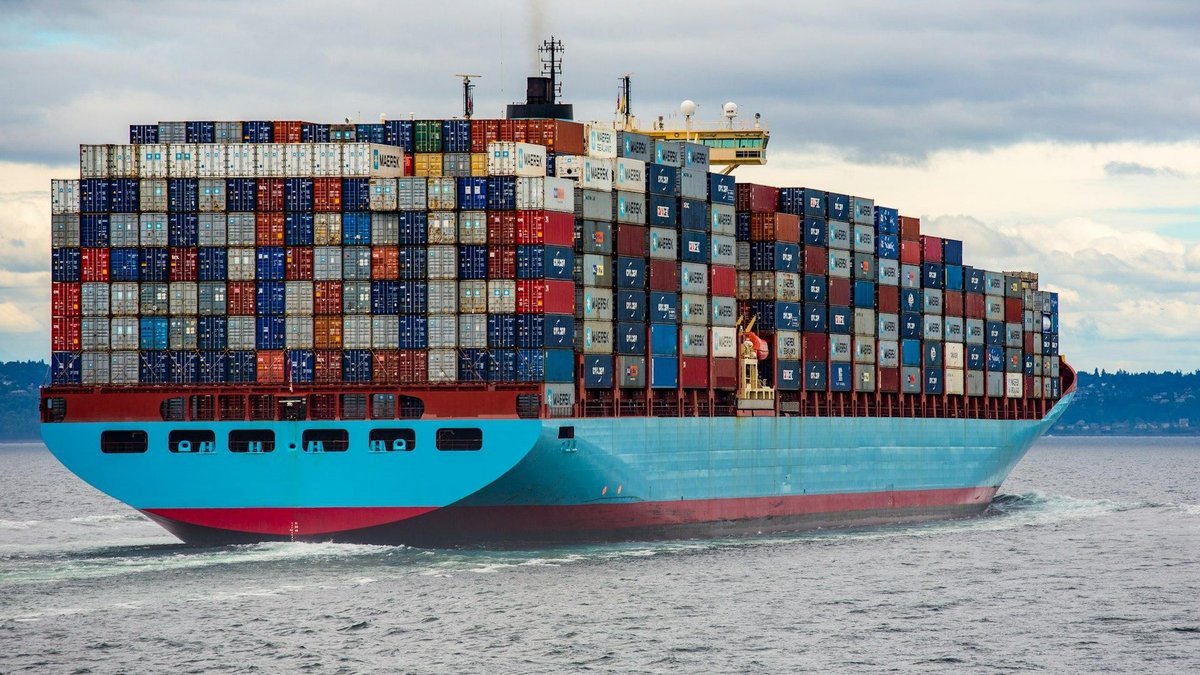
The arrival of the container ship SITC YIHE at Nansha Phase IV transitions the world’s first fully automated river-sea-rail terminal into a live international hub. This inaugural call by SITC’s CJV6 service establishes regular international liner operations at the facility, moving the terminal beyond its domestic phase into the competitive intra-Asia trade.
The CJV6 service links Nansha with the Japanese ports of Tokyo, Yokohama, Kawasaki, and Nagoya, alongside Da Nang and Hai Phong in Vietnam. According to the Guangzhou Municipal Port Authority, the terminal’s automated systems—including 5G connectivity and China’s BeiDou satellite navigation—operated without interruption during the vessel’s visit.
Nansha Phase IV uses unmanned intelligent guided vehicles and remotely controlled equipment to manage container handling across vessel operations and yard storage. The port authority confirmed it worked with border agencies to optimize customs and operating arrangements specifically for this first international call.
Why it matters
For short-sea carriers and charterers, the activation of Nansha Phase IV provides a high-tech alternative to traditional manual berths in South China. The integration of river, sea, and rail transport into a single automated system is intended to streamline cargo flows. If the terminal maintains the smooth operations reported during the SITC YIHE call, it will likely reduce turnaround times for regional loops connecting China, Japan, and Vietnam.
The move puts pressure on regional competitors to match the efficiency of a terminal that removes human operators from the yard and vessel interface. By utilizing 5G and optical character recognition technology, Nansha Phase IV aims to provide more reliable shipping schedules. This reliability is a direct commercial advantage for SITC as it seeks to strengthen its regional network against carriers using less sophisticated infrastructure.
The successful coordination between the port authority and border agencies for this call removes the primary regulatory risk for international operators. It proves the terminal’s automated systems can handle the documentation and security requirements of international trade, clearing the path for more liners to shift services to the automated facility.
What to watch
The Guangzhou Municipal Port Authority intends to expand the port’s container logistics network by securing further cooperation agreements with international shipping companies.
Source: Container News