

Indian brokers threaten MSC boycott over empty container charges
Chennai customs brokers plan to boycott MSC shipments from November 15 as Maersk doubles empty container handling fees at Mundra.
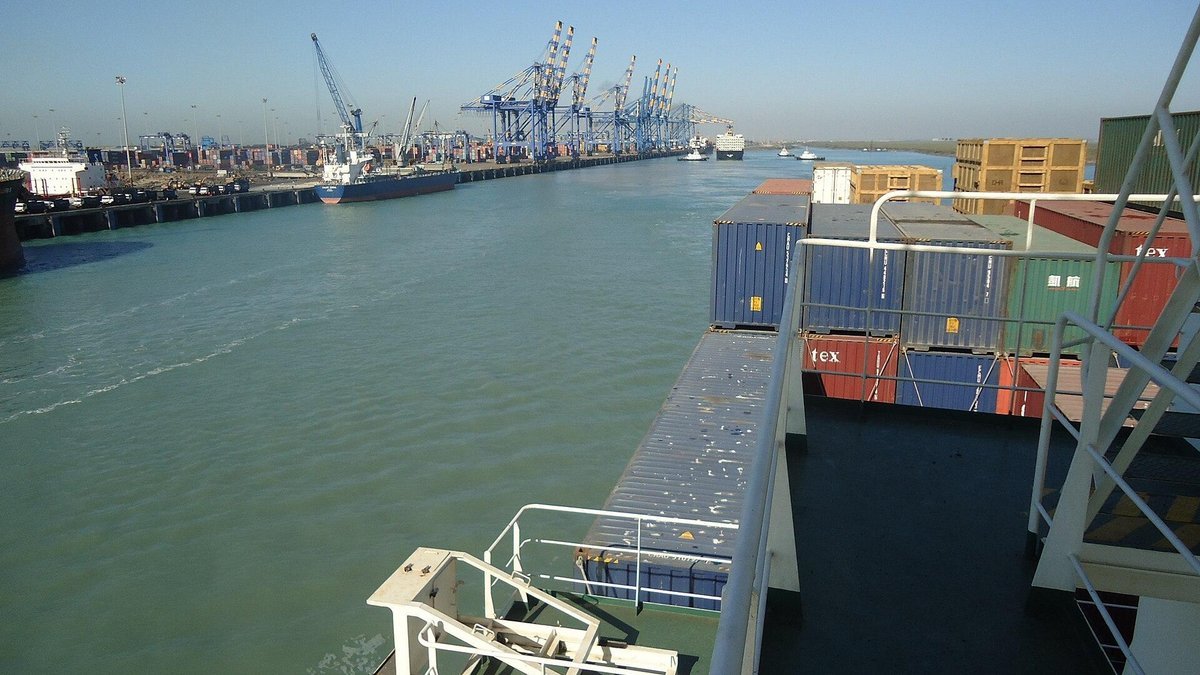
A standoff between Indian customs brokers and major shipping lines over empty container handling fees threatens to disrupt cargo flows at Chennai and Mundra starting November 15. The dispute centers on a shift toward third-party collection models and sharp price hikes that brokers say leave them carrying the financial risk for carriers.
The Chennai Customs Brokers Association (CCBA) voted unanimously to boycott MSC export shipments from November 15, 2026. The association warned it will extend the boycott to MSC import consignments on December 15 if the carrier does not stop collecting lift-on/lift-off (LO-LO) charges through nominated third-party container yards.
At Mundra Port, Maersk more than doubled its LO-LO charges for empty containers on November 1, 2026. The rate for a 20-foot container rose 122% to $51, while 40-foot boxes increased 116% to $67. Maersk now requires customers to pay these fees directly to nominated depot service providers.
The CCBA reports that while Chennai rates remain between ₹800 and ₹1,000, charges at other Indian ports have escalated from ₹1,000 to as much as ₹8,000 over the last five years. Similar third-party collection arrangements are already in place at Nhava Sheva.
Why it matters
The shift to third-party collection forces customs brokers to act as involuntary creditors for shipping lines. Brokers in Chennai typically extend credit to exporters and importers for two months or more. By requiring upfront payment to private depots, carriers are effectively transferring their working-capital requirements and collection risks onto the brokers.
This model also erodes tariff transparency for cargo owners. When shipping lines distance themselves from the invoicing process, it becomes harder for traders to verify or dispute the legitimacy of handling charges. The CCBA argues that if a service is tied to a shipping line’s operations, that line must be the one to issue the invoice and take accountability for the rate.
The proposed boycott creates an immediate operational risk for MSC in South India, but the fallout will likely spread. The CCBA has indicated it may target Maersk, Hapag-Lloyd, and CMA CGM if they adopt similar practices. For shipowners and charterers, this signals a period of volatility in Indian port operations as brokers push back against the rising cost of logistics.
What to watch
The November 15 deadline for MSC to withdraw its third-party collection arrangement in Chennai will determine if the boycott proceeds and whether other broker associations at JNPA or Mundra follow suit.
Source: India Shipping News