

India prepares relief for exporters hit by container shortage
India’s DGFT is drafting support measures for exporters facing high inland costs and container shortages linked to the West Asia crisis.
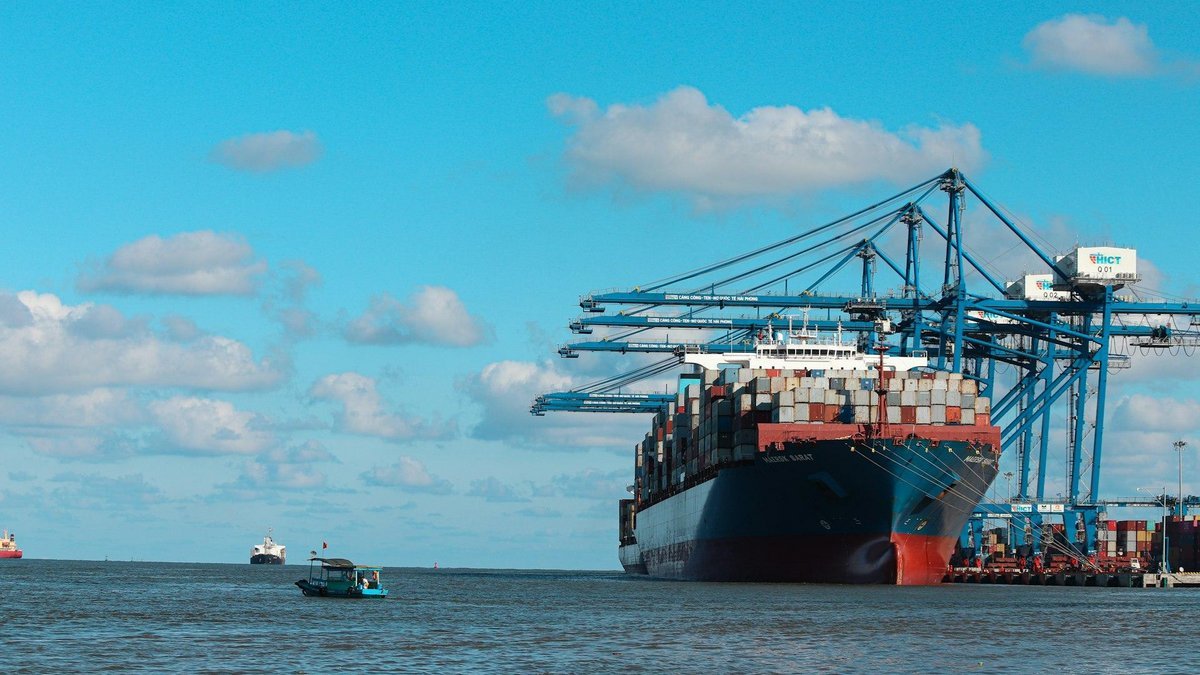
India’s Directorate General of Foreign Trade (DGFT) is drafting a relief package to shield exporters from soaring inland transportation costs and a persistent container shortage. The move signals that the government views maritime disruptions linked to the West Asia crisis as a direct threat to its goal of reaching $1 trillion in annual exports by the 2026–27 financial year.
The DGFT is seeking detailed industry feedback to establish eligibility criteria and implementation mechanisms for the proposed support, according to sources cited by businessline. In recent meetings, officials asked exporters for ground-level data on the specific challenges faced at major manufacturing and export hubs.
The consultations focus on two primary bottlenecks: the rising cost of moving goods from the hinterland to gateway ports and the restricted availability of empty containers. These logistics hurdles have intensified as the West Asia crisis continues to disrupt established maritime trade routes.
Why it matters
For container lines and equipment lessors, the Indian government’s intervention confirms that the equipment imbalance in the region has reached a threshold where market forces alone are not providing a solution. State-backed relief for inland freight suggests that the cost of repositioning empties to manufacturing hubs has become prohibitive for the private sector. If the government subsidizes these movements, it could artificially shift container flows toward specific Indian hubs, regardless of market-driven repositioning costs.
The move also points to a gap between India’s ambitious export targets and its current logistics resilience. While the government aims for $1 trillion in exports, the West Asia crisis has exposed how easily inland supply chains can be choked by external maritime shocks. For cargo owners, any relief will likely focus on cost mitigation rather than solving the underlying equipment deficit, meaning vessel space will remain at a premium even if inland costs drop.
Finally, the focus on targeted relief indicates that the government may prioritize specific manufacturing sectors or regions. This risks creating a two-tier market where subsidized exporters can afford to outbid others for limited container slots, potentially squeezing smaller players or those outside the designated hubs.
What to watch
The DGFT’s final implementation mechanism will reveal which manufacturing sectors receive priority for relief and whether the support includes direct subsidies for container repositioning. The specific recommendations from the industry will determine how quickly the relief reaches the ground.
Source: India Shipping News