

Maersk to levy $75 customs transit fee on Nicaragua shipments
Maersk introduces a $75 surcharge and 3% financial fee for Nicaragua Store Door shipments to cover customs transit and third-party payments.
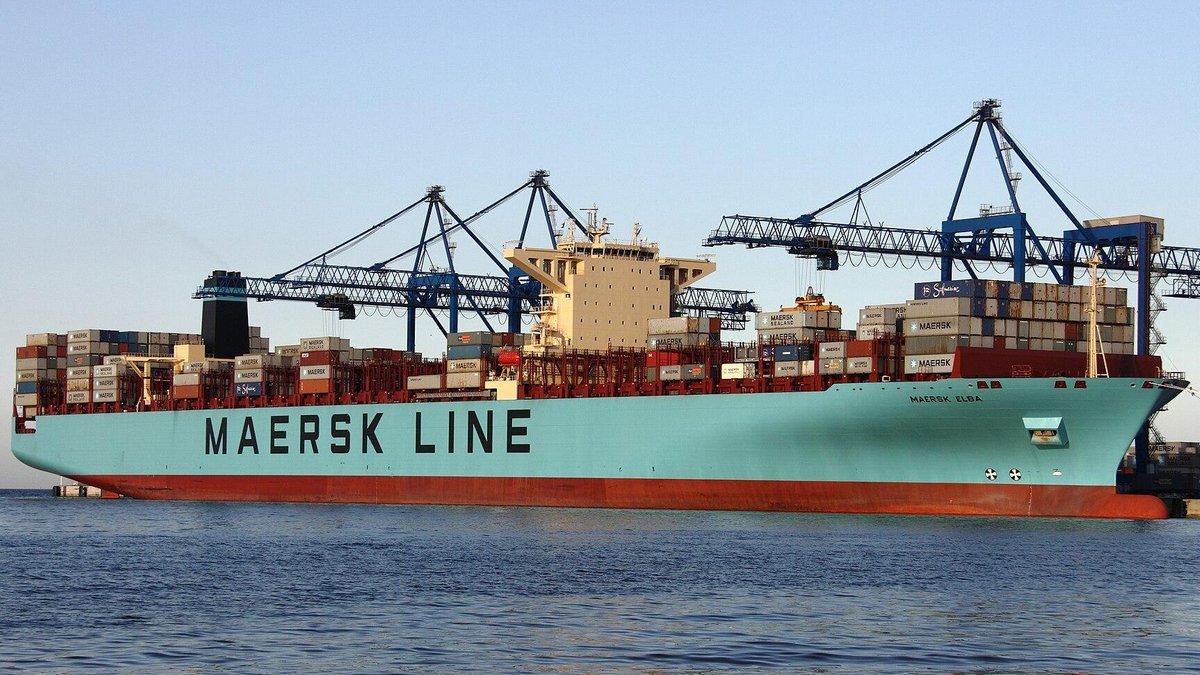
Maersk will introduce a $75 per container Internal Customs Transit Surcharge for Store Door shipments moving through Nicaraguan ports starting 9 November 2026. The fee applies to cargo requiring an internal customs transit declaration, known as DUCA-T, and will appear automatically on Maersk quotations.
The carrier stated the surcharge covers the cost of specialized customs personnel to process transit declarations and coordinate clearance between port authorities and logistics providers. Maersk intends the arrangement to support timely delivery while meeting local regulatory requirements.
Beyond the flat fee, Maersk will apply a 3% financial fee to any payments it makes to third-party service providers on behalf of customers. Services such as inspections, warehousing, and port fumigation remain subject to separate charges under CAI, PAE, or PAI surcharge codes.
Why it matters
The new fee structure shifts the administrative and financial burden of Nicaraguan customs compliance directly onto the cargo owner. While Maersk frames the move as a way to ensure timely clearance, it effectively monetizes the specialized labor required to navigate local bureaucracy. Shippers moving goods under Store Door terms will face higher, non-negotiable costs for every container requiring a DUCA-T declaration.
The 3% financial fee on third-party payments is a specific margin-protection measure. It ensures that Maersk does not carry the cash-flow burden of paying for inspections or fumigation without compensation. For cargo owners, this means the final cost of a shipment becomes less predictable, as any third-party intervention at the port now carries an additional percentage-based premium on top of the service cost itself.
By unbundling these costs from the base freight rate, Maersk insulates its primary revenue from the volatility of local port services and regulatory changes in Nicaragua. This sets a clear precedent: the carrier will facilitate the logistics of customs transit, but the shipper will pay for every administrative touchpoint and every dollar advanced to local authorities.
What to watch
The new charges take effect on 9 November 2026, giving charterers and cargo owners a long lead time to factor these costs into future contracts for Nicaraguan trade lanes.
Source: Container News