

G7 launches 14-port AI alliance to track suspicious containers
Fourteen major ports join a G7-backed network using AI to track suspicious shipments and disrupt maritime drug trafficking routes.
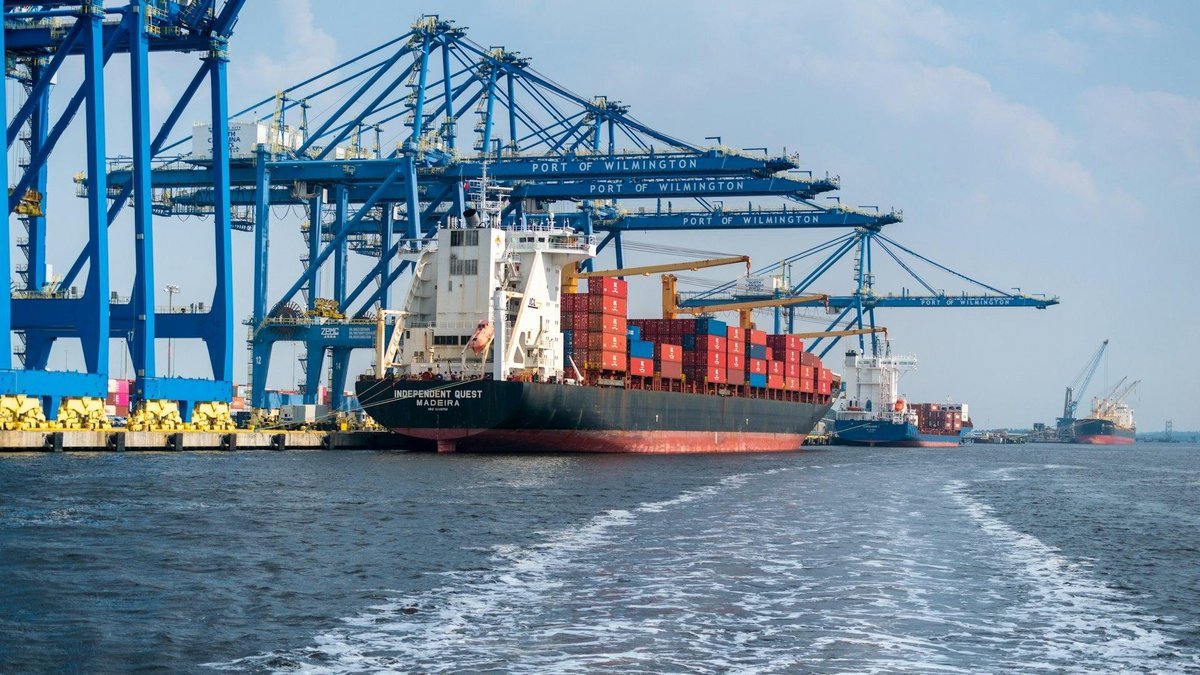
The G7+ Ports Network, a new 14-port alliance, will deploy artificial intelligence to track suspicious container movements, signaling a shift toward more intrusive, data-driven inspections at major global hubs.
Formally launched in Marseille, the network connects port authorities, customs organizations, and law enforcement agencies from industrialized economies, Brazil, and South Korea. Participants include major gateways such as Marseille, Le Havre, Dunkirk, Hamburg, Genoa, Busan, and Houston. International bodies including Interpol, the International Maritime Organization, and the World Customs Organization are also backing the initiative.
French foreign minister Jean-Noël Barrot said the network will use artificial intelligence tools to identify suspicious shipments and improve information exchange. The initiative follows a proposal from the June G7 summit in Évian, which identified maritime transport as the primary route for trafficking narcotics and precursor chemicals.
France has already signed more than 20 bilateral agreements targeting drug trafficking since late 2025. The country has also increased specialist personnel deployed in Latin America and the Caribbean by more than 30% to support these efforts.
Why it matters
The focus on artificial intelligence suggests a move away from random screenings toward targeted, data-led interventions. For container lines and terminal operators, this likely means a higher frequency of flagged boxes and potential operational friction as authorities attempt to screen enormous volumes without halting legitimate trade. With approximately 70% of illegal drugs entering France through ports, the pressure to intercept cargo at the quay is at an all-time high.
The inclusion of precursor chemicals in the network’s mandate expands the risk for industrial and chemical shippers. Because the network coordinates investigations across origin, transit, and destination ports, a shipment flagged in Houston or Busan will now trigger alerts across the entire transit chain. This level of intelligence sharing makes it harder for suspicious cargo to move through the network undetected but increases the risk of delays for legitimate containers that share a bill of lading or origin profile with illicit goods.
The alliance also places a heavier burden on port authorities to integrate their digital systems with international law enforcement. As the G7+ Ports Network builds on existing bilateral agreements, the cost of compliance and the complexity of data sharing will fall directly on terminal operators and port management in these 14 key locations.
What to watch
The effectiveness of the network will depend on how successfully the 30% increase in specialist personnel in Latin America and the Caribbean can feed real-time intelligence into the AI tracking tools used at destination ports. The first data points on disrupted shipments will determine if this coordinated approach can actually lower the volume of narcotics entering Europe and North America through these specific maritime corridors.
Source: Splash247