

Container builders face 2027 slump as carrier ordering spree peaks
Carriers are ordering 8 million TEU this year to fight bottlenecks, but easing disruptions will trigger a sharp production drop by 2027.
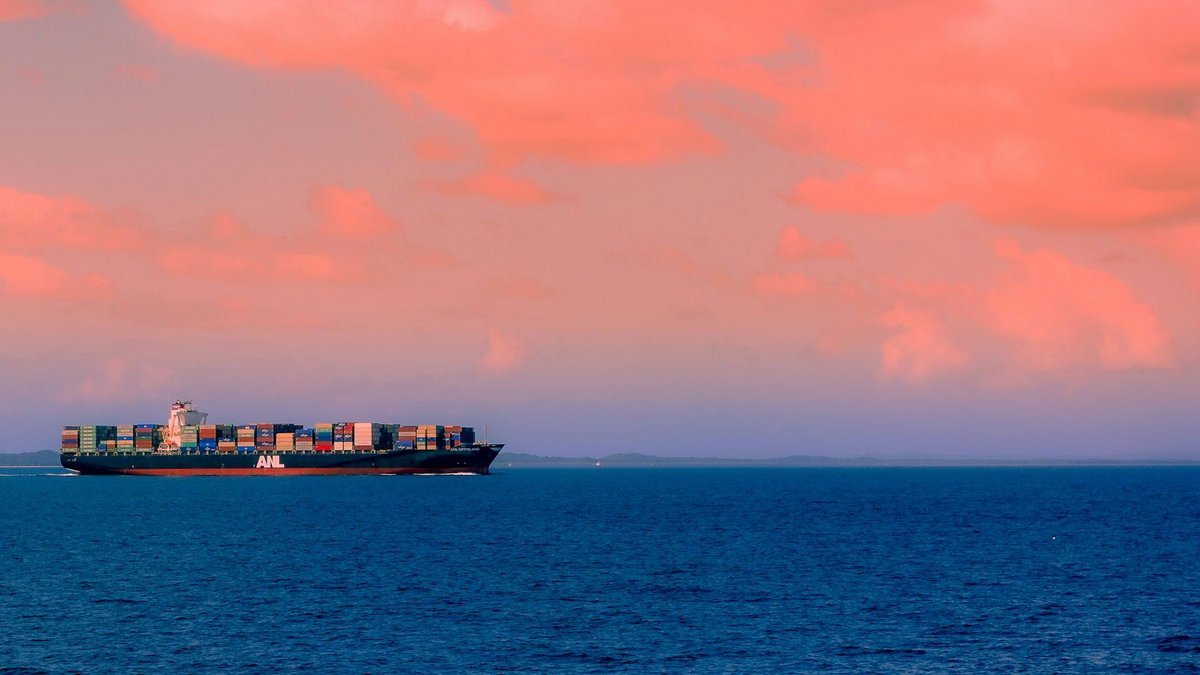
Ocean carriers are on track to take delivery of nearly 8 million TEU this year to combat global supply chain friction, but this aggressive expansion of the global box pool is likely to result in a massive equipment surplus as geopolitical and environmental bottlenecks ease. This year’s output will be just shy of the 8.13 million TEU record set in 2021, driven by a desperate need for service resilience rather than underlying trade growth.
Standard dry freight containers dominate current production, with 40ft high-cubes accounting for almost 80% of output in the first half of 2026. While demand remains high, prices have stayed relatively low, with 20ft units averaging just under $1,800 in the third quarter of 2026, up from a 2025 low of $1,500.
The current appetite for new equipment is largely a response to external shocks. Carriers have diverted ULCV tonnage around the Cape of Good Hope due to the Israel/Gaza war, while drought conditions on the Rhine and Danube rivers restricted barge drafts, forcing boxes onto overstretched rail and road networks. Maersk CEO Vincent Clerc noted that landside bottlenecks in terminals and trucking are driving growth as infrastructure fails to keep pace with 15 years of under-investment.
Why it matters
Carriers are buying resilience today at the cost of a massive equipment glut tomorrow. The industry is currently building boxes to compensate for longer transit times and port congestion, but these factors are temporary. Once the Strait of Hormuz reopens—forecast for the end of the first quarter of 2027—and European river navigation returns to normal, the global fleet will suddenly have millions of redundant TEU. This will likely lead to a period where boxes are retired without being replaced to balance the pool.
The outlook for box builders is turning bleak. Drewry expects production to fall to 5.9 million TEU in 2027 and potentially drop as low as 2.2 million TEU by 2030. This contraction will coincide with a surge in competition as new plants in India and Vietnam, such as the Hoa Phat factory, challenge the traditional dominance of Chinese builders. Increased competition in a shrinking market will put downward pressure on asset values and manufacturer margins.
Established manufacturers like China International Marine Containers (CIMC) and Singamas are already pivoting their strategy. They are shifting production capacity toward specialized containers for mineral ores, coal, and grain to escape the commoditized dry box market. For shipowners and lessors, the value of standard dry equipment is at risk as trade growth is expected to remain muted at just 2.4% to 3% between 2028 and 2030.
In the United States, Cakeboxx Technologies is attempting to reclaim domestic market share by sourcing US-made components and weathering steel. While this provides a local alternative, it enters a market that is about to become oversupplied and highly competitive on price.
What to watch
The reopening of the Strait of Hormuz by the end of March 2027 will be the primary trigger for a sudden release of equipment back into the global pool. Watch for a corresponding drop in new orders as carriers realize they have more than enough buffer stock to handle projected trade growth of 3% or less.
Source: World Cargo News