

MSC and Maersk hike Asia-Mediterranean costs as surcharges expand
MSC and Maersk are raising Asia-Mediterranean costs through FAK hikes and expanded surcharges, adding nearly $500 per FEU in extra fees.
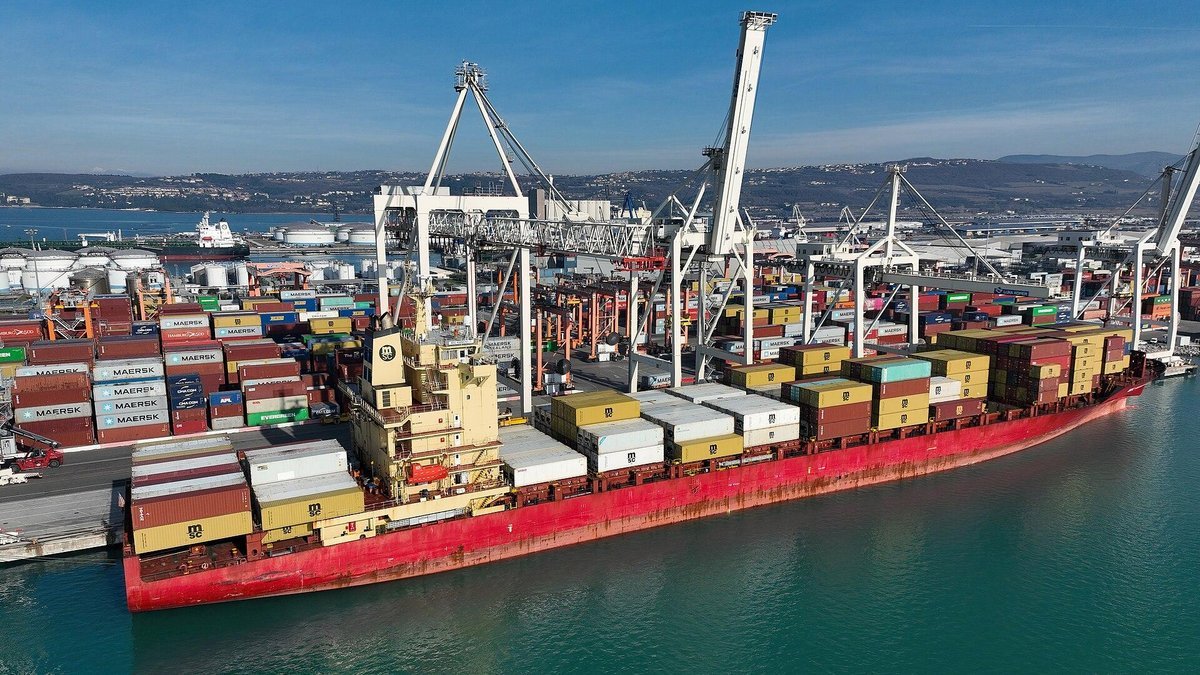
MSC and Maersk are pushing Asia-Mediterranean freight costs higher for the second half of November, using a combination of base rate hikes and expanded surcharges that make headline figures increasingly deceptive for cargo owners.
MSC revised its Freight All Kinds (FAK) rates effective 15 November, targeting different increases across the region. For a 40-foot container, rates to the West Mediterranean rise 6% to $5,300. The hikes are steeper for the East Mediterranean, which jumps 11.8% to $5,700, and the Black Sea, which moves up 11.3% to $5,900. These rates include fuel and emission control surcharges but exclude several other mandatory fees.
Maersk is taking a different tactical approach by introducing a new Peak Season Surcharge (PSS) for Mediterranean destinations. This follows the carrier’s decision to withdraw its previous PSS for the trade in September. The move adds another layer of complexity for freight forwarders trying to compare costs between the two largest container lines.
Alongside the base rate changes, MSC expanded the geographical reach of its Piracy Risk Surcharge (PRS) and Suez Canal Surcharge (SCS). Starting 15 November, these charges apply to all Mediterranean and Black Sea ports. The PRS remains at $55 per TEU and the SCS at $36 per TEU, but their application now covers the entire region rather than just selected eastern ports.
Why it matters
The gap between headline FAK rates and the final bill is widening. For an MSC shipment to the East Mediterranean, four specific surcharges—carbon, piracy, and Suez—add $488 to every 40-foot container. These are mandatory additions to the published $5,700 FAK rate, meaning shippers must budget for an all-in cost of at least $6,188 before terminal and local fees. The headline rate is no longer a reliable proxy for total transport costs.
The pricing burden is shifting geographically. By expanding piracy and Suez surcharges to the entire Mediterranean, MSC has removed the previous exemption for West Mediterranean ports. Simultaneously, the carrier is widening the base rate spread between East and West. East Mediterranean shippers now face base rates $400 higher than their Western counterparts, a gap that has grown as carriers adjust for regional risks and demand.
There is a growing disconnect between carrier intentions and market reality. While MSC is pushing for rates above $5,000, Freightos data shows the market benchmark stood at $4,375 per FEU in early November. This creates a friction point where carriers are testing the market’s appetite for double-digit increases despite forwarder uncertainty about whether these levels can be sustained through the end of the year.
What to watch
The 15 November implementation date will reveal if carriers can bridge the gap between their $5,000-plus FAK targets and the current $4,375 spot market benchmark.
Source: Container News