Kpler and Airbus Partner on Ship Surveillance System
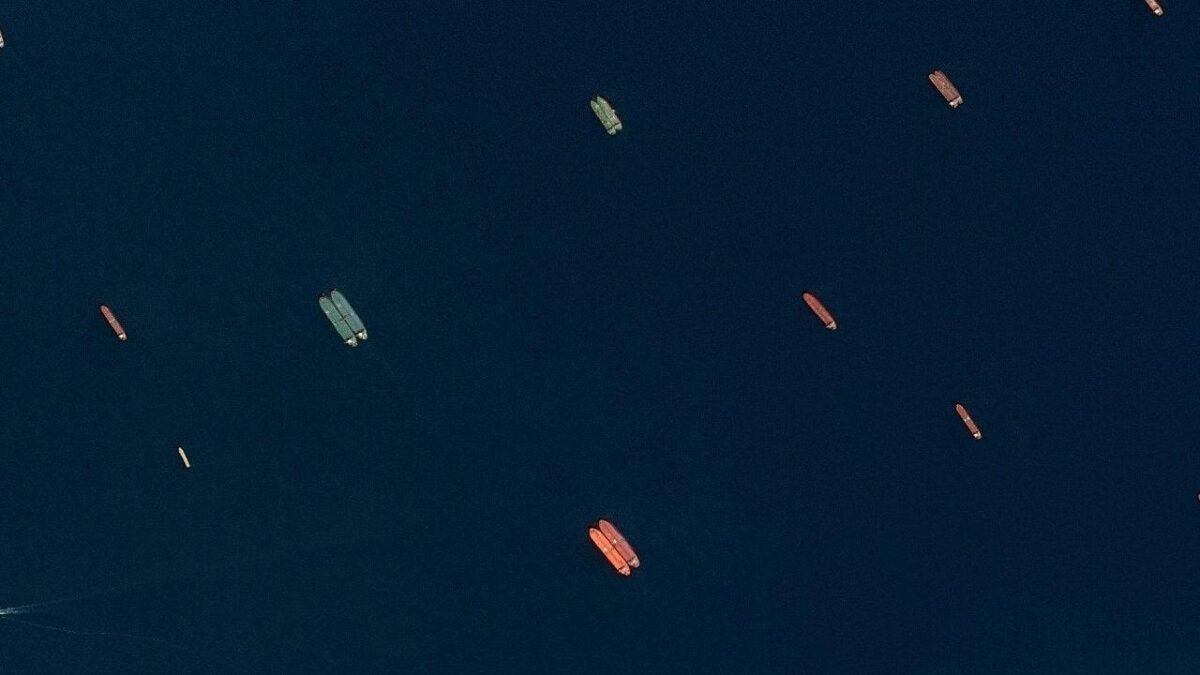
Kpler and Airbus have launched a joint ship surveillance system aimed at tracking vessel movements through the Strait of Hormuz. The initiative addresses the growing trend of merchant ships transiting the chokepoint dark, often disabling AIS to evade detection or targeting by the Islamic Revolutionary Guard Corps (IRGC).
Since the current conflict escalated on February 28, the threat environment in the Strait has become increasingly lethal for merchant mariners. Approximately 25 seafarers have been killed in IRGC-related strikes, with five fatalities recorded within the last 30 days alone. As IRGC activity intensifies along the southern Omani coastal route, maintaining operational security has become the primary challenge for masters, yet these efforts to hide vessel identity and course data have created significant information voids.
Beyond the immediate safety concerns, the rise in non-reporting transit activity has created a fundamental disconnect in the commodities market. Because tankers and other merchant vessels are increasingly masking their laden status and origin, traders and commodity brokers face mounting difficulties in determining accurate shipping volumes. This opacity degrades the ability of the market to establish reliable bid and offer prices, effectively decoupling spot market data from physical cargo flows.
The surveillance system also attempts to fill a critical gap for Omani naval authorities. With many vessels bypassing standard communication protocols, including Channel 16, local authorities frequently lack situational awareness regarding which assets are currently operating within the Strait. By providing a clearer picture of transit patterns, the Kpler and Airbus collaboration serves as a potential stabilizer for both the maritime insurance industry and commodity pricing mechanisms that currently struggle to price risk in an environment of total informational darkness.