

Iranian Naval Mines Strike Tankers in Strait of Hormuz
Iran uses naval mines to enforce Strait of Hormuz restrictions, hitting oil and LNG tankers and making safe passage guarantees unreliable.
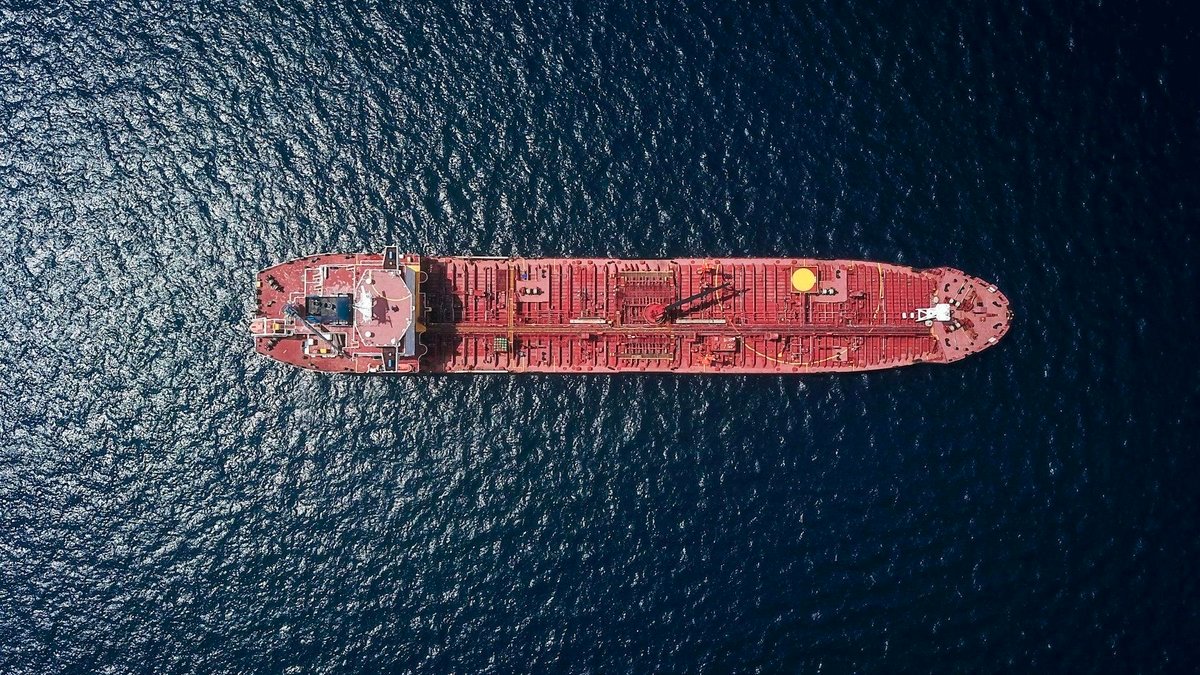
An oil tanker caught fire in the eastern Strait of Hormuz on Saturday after striking a naval mine, marking a lethal escalation in Iran’s efforts to control the strategic waterway. This second mine strike in 24 hours signals that Tehran is now using fixed explosives to enforce transit restrictions, making safe passage guarantees increasingly unreliable for energy shippers.
Iran’s navy reported the oil tanker fire on Saturday morning following the mine strike, according to state media. This follows a Friday report from the Revolutionary Guards navy stating an LNG tanker suffered an explosion after hitting a mine while using what they called an unauthorized and dangerous route.
Security sources also confirmed a separate incident where a small boat attached two limpet mines to a tanker’s hull. The resulting fire in the engine room temporarily disabled the vessel, marking the first successful use of limpet mines in the waterway since the war between the US and Iran began in February 2026.
These strikes follow the November 1 attack on the LNG carrier Al Mayeda. Bloomberg reported that Pakistan had negotiated safe passage for the vessel with Iranian authorities before the ship was attacked near the Strait.
Why it matters
The deployment of naval mines shifts the threat from targeted vessel seizures to indiscriminate kinetic damage. While Iranian authorities claim to target ships on unauthorized routes, the strike on the Al Mayeda proves that even vessels with prior diplomatic clearance are at risk. For shipowners and charterers, this means Iranian approval no longer guarantees safety.
The use of both naval mines and limpet mines creates a dual-threat environment. Naval mines target vessels in transit, while limpet mines allow for precision strikes on specific ship areas, such as engine rooms, to disable vessels without necessarily sinking them. This variety of tactics suggests a coordinated effort to make the Strait of Hormuz commercially unviable for ships that do not strictly adhere to Tehran’s evolving transit rules.
For insurers, the presence of stationary explosives in a primary trade lane is a trigger for immediate rate adjustments. If Iran continues to mine the eastern Strait, the cost of war-risk cover will likely rise for all segments, as the risk is no longer limited to specific flags or ownership structures but is tied to the physical route itself.
What to watch
Watch for any formal Iranian declaration of safe zones or specific coordinates for authorized routes, and whether international naval forces begin mine-clearing operations in the eastern Strait.
Source: gCaptain