

Trump Extends Jones Act Waiver for 90 Days to Curb Energy Costs
President Trump extends the Jones Act waiver for oil and fertilizer, allowing foreign ships to move 90 million barrels of domestic cargo.
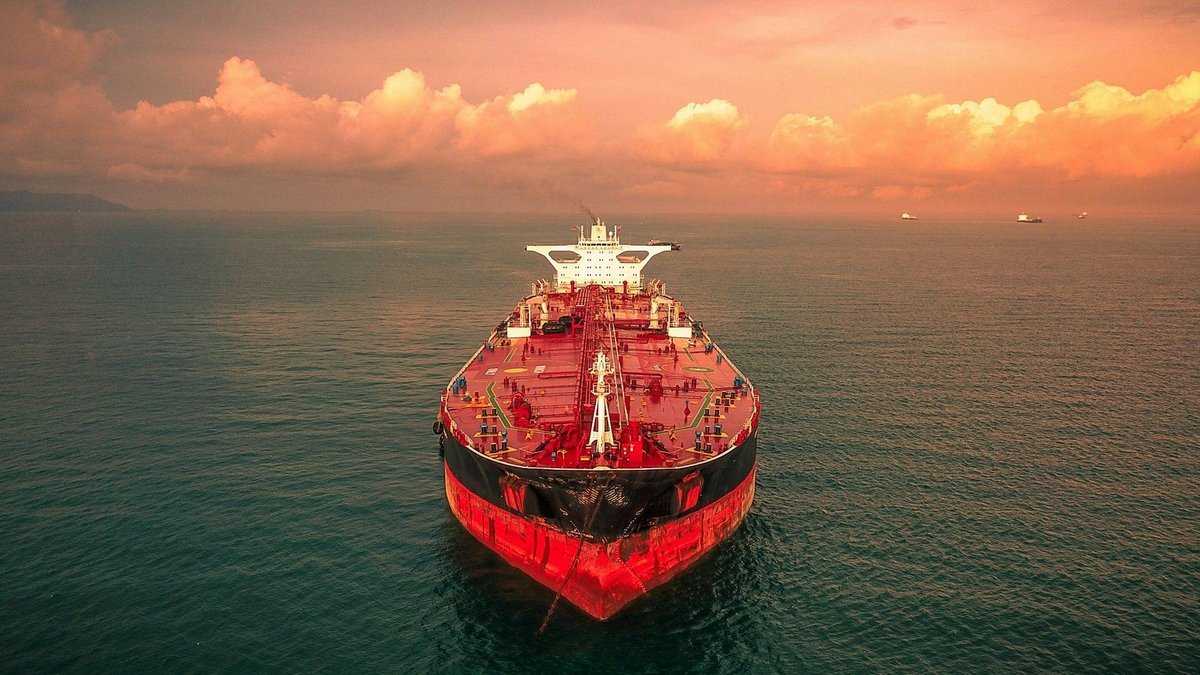
President Donald Trump has granted energy traders another 90 days to bypass Jones Act restrictions, keeping foreign-flagged tankers on domestic routes to suppress fuel costs. The extension, announced just two days before the previous waiver was set to expire, ensures that foreign vessels can continue carrying oil, LNG, and fertilizer between US ports through early 2027.
The policy applies to a broad range of commodities, including gasoline, jet fuel, naphtha, and soy oil. According to a White House official, the waiver has already enabled the transport of 90 million barrels of refined fuels and crude since March. California has been the primary destination, receiving 23 million barrels of products compared to just 8 million during the same period last year.
Under the renewed terms, the US Maritime Administration (MARAD) must be consulted to verify that no US-flagged, -owned, or -operated vessels are available before a waiver is granted for an individual voyage. This administrative hurdle has already begun to reduce the frequency of waiver use compared to the initial broad exemption issued earlier this year.
Why it matters
The extension prioritizes immediate supply chain efficiency over the long-standing protectionist mandates that benefit US shipbuilders. By allowing 338 foreign-vessel voyages to date, the administration is providing charterers with cheaper tonnage to move Texas crude to Pennsylvania and propane to Puerto Rico. This shift directly challenges the economics of the domestic fleet, which cannot match the scale or cost-efficiency of the global tanker market during the ongoing war in Iran.
For charterers and traders, the 90-day window offers temporary relief but introduces significant regulatory risk. The requirement for MARAD to check US-vessel availability before every voyage creates a bottleneck. If MARAD finds a single available US-flagged ship, the waiver for that cargo disappears, potentially forcing traders back into higher-cost domestic contracts or causing delays in loading schedules.
The data shows a clear regional divide in who benefits from this policy. With California taking more than a quarter of the total volume moved under the waiver, West Coast refiners and consumers are the primary winners. However, the presence of a Russian diesel tanker idling off the US East Coast suggests that regulatory waivers alone cannot overcome market resistance or secondary sanctions concerns, leaving some supply gaps unfilled despite the legal path being cleared.
What to watch
The next data release from the Cato Institute or the White House will reveal if the MARAD consultation process continues to shrink the number of foreign voyages as the 90-day clock runs down.
Source: gCaptain