

India Enters Chemical Tanker Market with Six-Ship Dual-Fuel Order
SDHI secures India's first chemical tanker order at Pipavav, using Everllence dual-fuel engines for North European Ice Class operations.
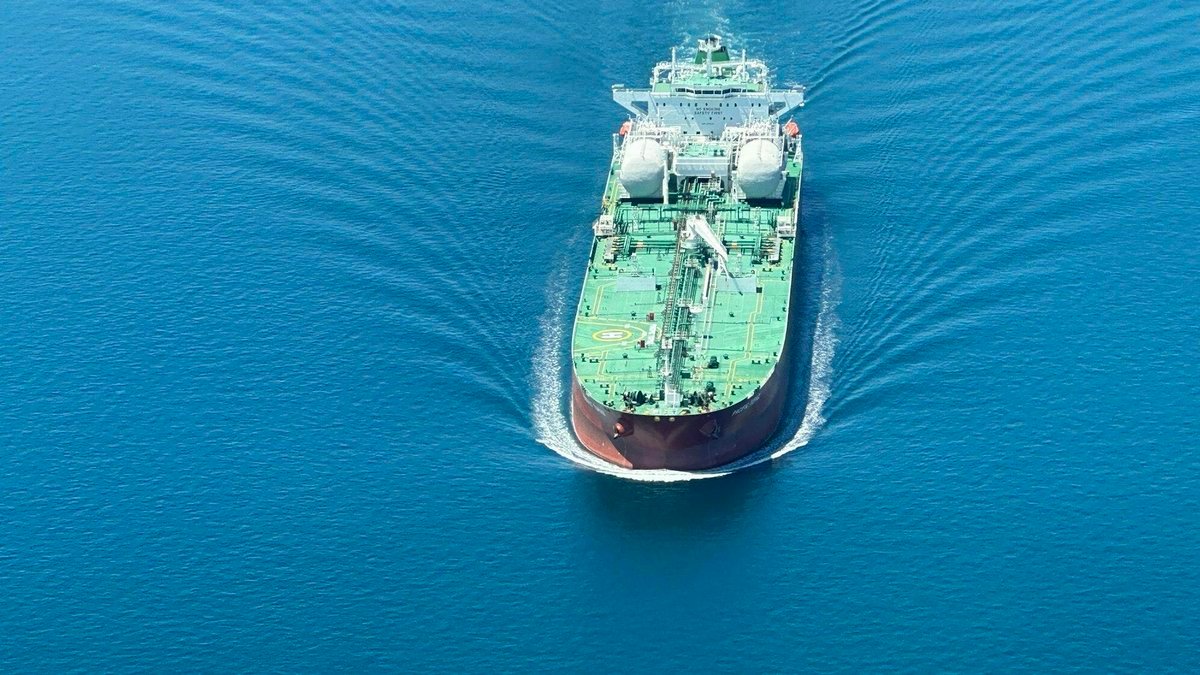
India’s Swan Defence and Heavy Industries (SDHI) has secured a contract for six 18,000-dwt chemical tankers, marking the country’s first foray into the segment and the return of its largest shipyard to commercial two-stroke construction. The selection of Everllence dual-fuel technology for these Ice Class 1A ships signals India’s intent to compete for high-specification tonnage destined for the North European trade.
The project will be executed at the revitalized Pipavav shipyard in Gujarat, India’s largest facility by capacity. The vessels are IMO Type II chemical tankers designed for demanding operations in Northern Europe. Each ship will be built to DNV classification requirements and feature Ice Class 1A reinforcement.
The first vessel in the series will be powered by an Everllence B&W 6S50ME-C9.7-GI-EGRBP two-stroke engine. This dual-fuel unit will be manufactured by MITSUI E&S in Japan and equipped with exhaust-gas recirculation technology to meet IMO Tier III emissions standards. The propulsion package also includes a controllable-pitch propeller arrangement.
This order represents the first two-stroke newbuild contract for SDHI and the first time MITSUI E&S has supplied engines to the Indian shipbuilding market. The Japanese manufacturer has produced more than 7,500 B&W engines under a century-long licensing agreement with Everllence.
Why it matters
The revitalization of the Pipavav shipyard shifts the competitive balance for owners seeking specialized tonnage. By moving into IMO Type II chemical tankers, India is positioning itself as a direct competitor to established yards in China and South Korea for mid-sized, high-specification vessels. This project demonstrates that the yard can handle the complexity of dual-fuel two-stroke engines and Ice Class requirements, which are significantly more demanding than standard bulk carrier designs.
For North European operators, this adds a new supplier to a tight market for Ice Class 1A tankers. The involvement of MITSUI E&S brings Japanese manufacturing expertise to an Indian build, which likely reduces the perceived technical risk for insurers and financiers backing a first-in-class project from a newly revitalized yard.
The deal also signals a maturing supply chain in India. The entry of a major engine licensee like MITSUI E&S suggests that the infrastructure is now in place to support more sophisticated commercial projects. If SDHI successfully delivers this series, it will establish a precedent for India as a viable hub for complex, future-ready commercial vessels rather than just basic hulls or naval assets.
What to watch
The delivery timeline for the first vessel will be the critical indicator of whether the revitalized Pipavav yard can meet the production efficiencies and quality standards required by international tanker charterers.
Source: The Maritime Executive