

Atlantic Asphalt sinks New Orleans cruise ship and shuts Mississippi River
A bitumen tanker collision has sunk a riverboat and closed a section of the Mississippi River to commercial traffic in New Orleans.
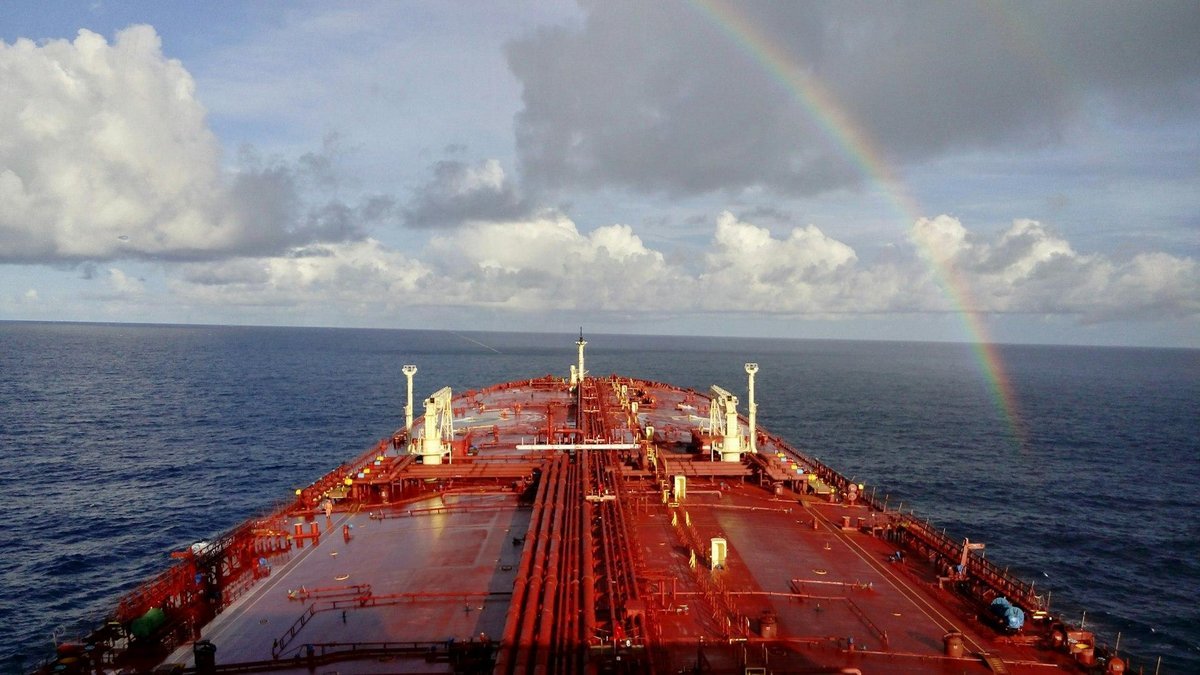
The sinking of an American Cruise Lines riverboat by the bitumen tanker Atlantic Asphalt has triggered a closure of the Mississippi River at New Orleans, disrupting commercial traffic on one of the busiest US waterways. The 17,764 dwt tanker struck the American Heritage while the cruise ship was docked and disembarking passengers, causing it to capsize and sink.
The collision occurred at approximately 12:30 pm local time on November 13. New Orleans mayor Helena Moreno confirmed that all 180 passengers and crew were accounted for, though 32 people were taken to the hospital. The US Coast Guard immediately closed the river between mile markers 93 and 96 to facilitate emergency operations.
The Atlantic Asphalt is a 2017-built vessel owned by the single-ship company Nave Shipping and operated by Swiss-based Asphaltos Trade. The National Transportation Safety Board is now investigating the incident alongside the Coast Guard. American Cruise Lines confirmed its vessel was evacuated and is cooperating with the authorities.
Why it matters
The closure of the Mississippi River between mile markers 93 and 96 hits the heart of the New Orleans shipping corridor. Even a temporary suspension of traffic in this section forces bulkers and tankers into costly delays as they wait for the channel to clear. For operators with tight laycans, this bottleneck creates immediate scheduling pressure.
The incident places Nave Shipping, a single-ship owner, under intense financial and legal scrutiny. Striking a moored vessel that is actively disembarking passengers is an operational failure that carries massive liability. The owner and its operator, Asphaltos Trade, face claims ranging from the total loss of the American Heritage to salvage costs and potential personal injury payouts for the 32 hospitalized individuals.
The involvement of the NTSB suggests the investigation will look beyond simple human error. Investigators will likely scrutinize the tanker’s mechanical systems and the pilotage during the approach to the Port of New Orleans. Any finding of mechanical failure on a seven-year-old tanker will raise questions for the technical managers regarding maintenance standards in the bitumen trade.
What to watch
The immediate priority is the US Coast Guard’s decision on when to reopen the river to commercial traffic. Beyond the waterway, the next data point is the damage assessment for the Atlantic Asphalt, which will determine if the tanker requires its own emergency repairs before it can resume service.
Source: Splash247