India’s crude import bill hits $19.5 billion as costs outpace volumes

India's October crude spend jumped 88% to $19.5 billion, driven by high prices and freight costs rather than a massive surge in tanker volumes.
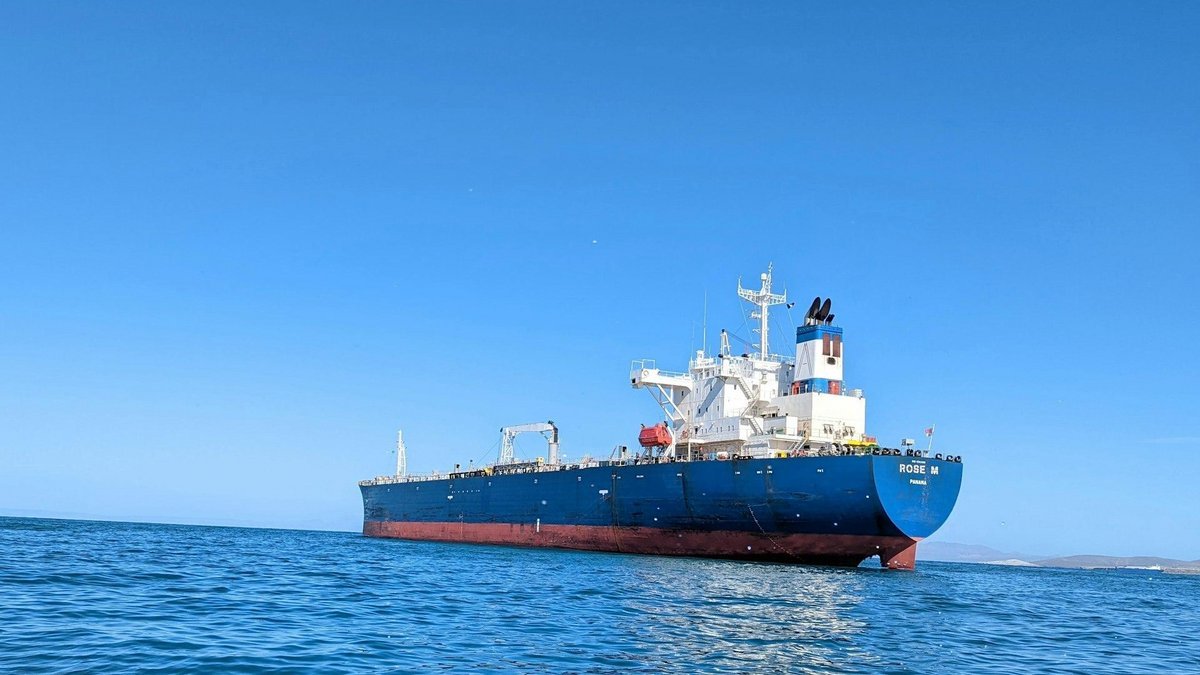
India’s crude oil import bill hit $19.5 billion in October 2026, an 88% surge that far outpaced an 11% rise in physical volumes, signaling that geopolitical friction and freight costs are now the primary drivers of the country’s energy economics.
Data from the oil ministry shows that while India increased its purchase volumes, the cost of securing those supplies rose at eight times the rate of cargo growth. US Energy Information Administration (EIA) figures put the average price of Brent crude at $123.93 per barrel in October, compared with $64.54 in October 2025. This price spike follows a volatile year where Brent averaged $117.29 in April before dipping to $83.76 in July.
Provisional figures from the Petroleum Planning and Analysis Cell (PPAC) show India spent $111 billion on crude during the first seven months of the financial year, a 53.5% year-on-year increase. During the same period, import volumes grew by only 2.7% to 146.6 million tonnes. By the end of October, India had already spent 88% of the total amount recorded for the entire previous financial year.
Why it matters
For tanker owners and charterers, these figures confirm that trade value is decoupling from physical demand. The 88% jump in spending against an 11% rise in volume proves that the financial risk in the Indian trade lane is being driven by the price of the commodity and the cost of moving it, rather than a massive expansion in terminal throughput or fleet requirements.
The data points to a heavy reliance on expensive maritime logistics. The oil ministry specifically identified disruption from the West Asian conflict and constraints in the Strait of Hormuz as factors driving India’s crude basket to $119.9 per barrel. While physical oil is available, the combination of elevated freight rates and insurance premiums is keeping procurement costs high for Indian refiners.
This environment creates a liquidity challenge for smaller traders and cargo owners. When the cost of a single cargo nearly doubles year-on-year, the credit lines and insurance cover required to facilitate the trade must expand accordingly. Even though India’s refined petroleum exports rose 90% to $6.3 billion in October, this revenue only provides a partial hedge against the massive $19.5 billion import bill.
The trend extends to the gas market, where LNG import expenditure rose 35.8% to $11 billion between April and October. For gas carrier operators, the story is the same as in the tanker segment: import volumes grew by a modest 7.4%, but the cost of those shipments is rising much faster, making reliable delivery routes and transport efficiency the deciding factors in contract margins.
What to watch
The final five months of the financial year will determine if India sets a record for energy expenditure, with the current $111 billion spend already approaching the total for all of 2025–26. Any further disruption in West Asian waters will likely push these procurement costs higher regardless of physical demand.