Imoto Lines adds Minato to Western Japan coastal feeder service

Imoto Lines expands its Western Japan service with the 245 TEU Minato, targeting international feeder cargo and domestic modal shift.
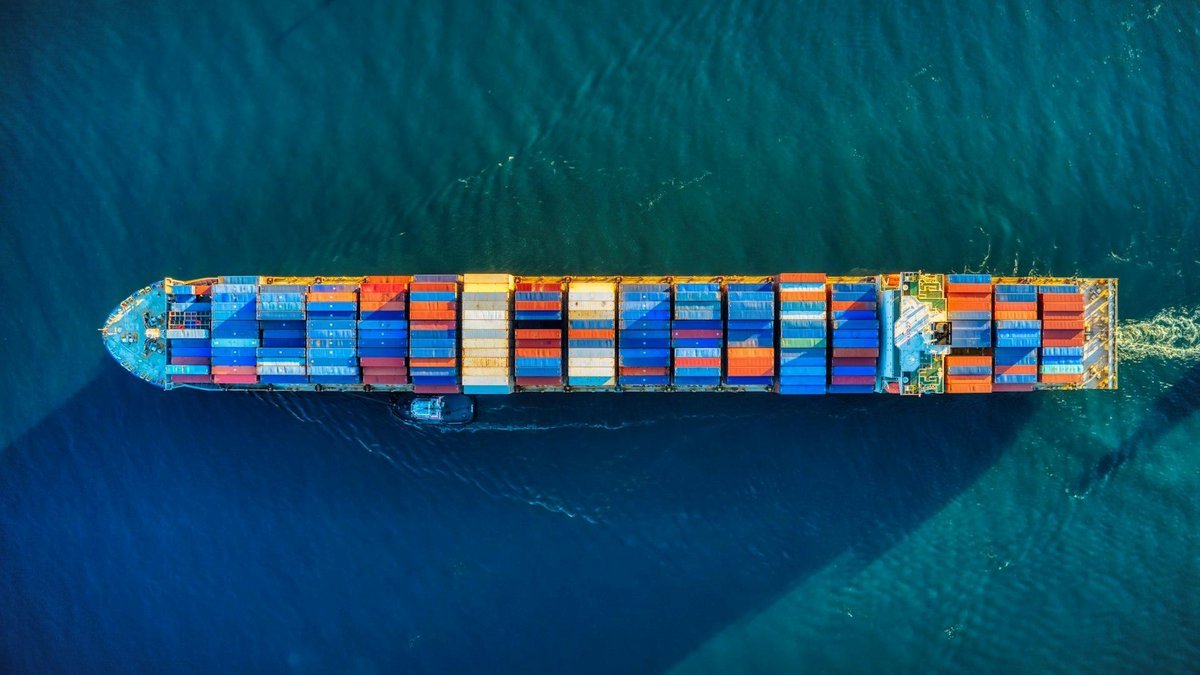
Imoto Lines has deployed the 245 TEU Minato on its Western Japan service, scaling up capacity to capture international feeder volumes and domestic cargo shifting from road to sea. The vessel made its inaugural call at the Port of Kobe on 24 November, marking the arrival of the third ship in the carrier’s Maya class.
Fukuyoshi Kaiun owns the vessel, which was built by Koike Shipbuilding & Marine Engineering. It measures 96.81 metres in length with a deadweight of 1,711 tonnes. A 2,600 PS Hanshin Diesel Works LA34G main engine powers the ship, which was launched on 17 August.
While Imoto Lines describes the Minato as a 200 TEU-class vessel, its maximum capacity reaches 245 TEU. This includes dedicated space for 42 refrigerated containers, according to the carrier.
Why it matters
The 42 reefer slots are the most telling detail. By dedicating nearly 20% of the vessel’s maximum capacity to temperature-controlled units, Imoto Lines is positioning itself to handle high-value perishables that typically rely on long-haul trucking. This directly supports the carrier’s goal of a modal shift in Japan’s domestic distribution network to lower energy consumption.
For international lines, the Minato provides a more robust feeder link to major hubs like Kobe. The 245 TEU capacity offers more flexibility than standard 200 TEU coastal vessels, allowing Imoto to absorb fluctuations in transshipment volumes without leaving cargo on the quay. This capacity buffer is essential for maintaining the reliability of international supply chains connecting to regional Japanese ports.
The deployment of a third Maya-class vessel points to a strategy of fleet standardization. Using identical ship designs across the Western Japan service simplifies maintenance and crew training while providing predictable slot costs for charterers and shippers. Imoto Lines expects this expansion to reduce logistics costs and increase route diversification within the domestic network.
What to watch
Imoto Lines has stated it intends to use the vessel for route diversification. Watch for new port pairings or increased frequency in Western Japan as the carrier seeks to capture more domestic cargo from land-based logistics providers.