GSL Nicoletta steering failure triggers Baltimore bridge closure call

A steering failure on the Maersk-chartered GSL Nicoletta near the Chesapeake Bay Bridge exposes ongoing infrastructure risks in Baltimore.
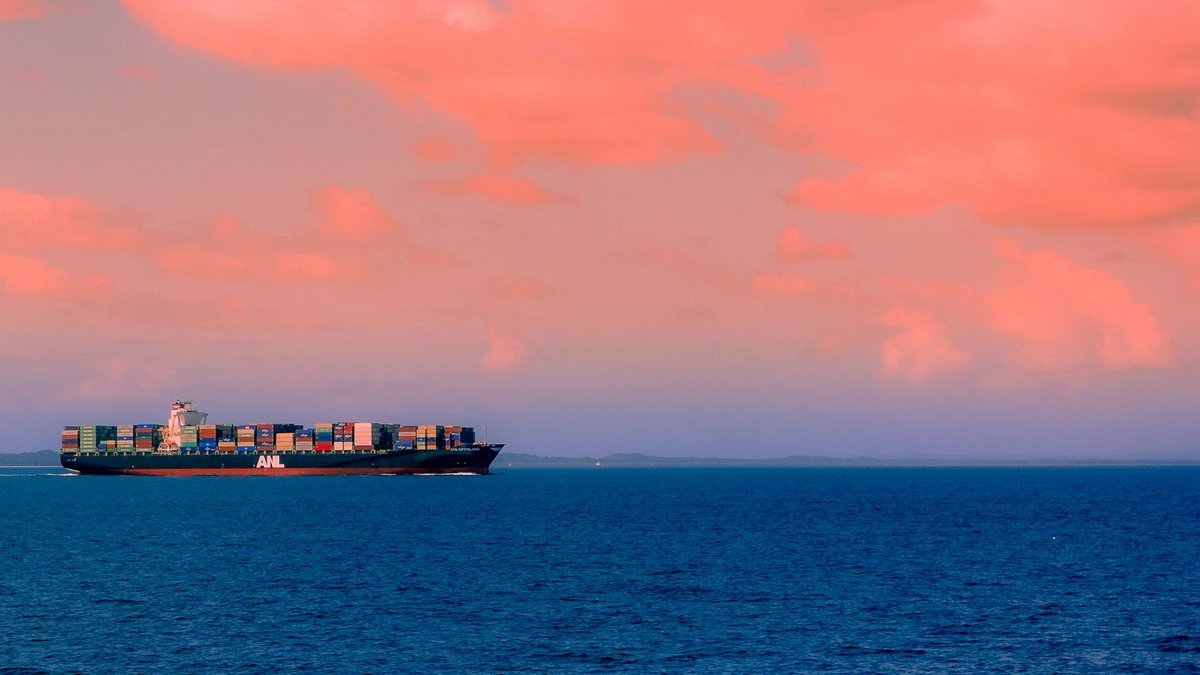
The loss of steering on the GSL Nicoletta near the Chesapeake Bay Bridge forced a pilot to call for an immediate highway closure, signaling a new era of zero-tolerance operational protocols for Baltimore-bound tonnage.
The 6,858 TEU containership reported the failure at 12:30 a.m. on November 20 while inbound for Baltimore, according to reports from the Baltimore Banner. The vessel was approximately three miles south of the bridge when the pilot requested that the Maryland Transportation Authority (MTA) suspend traffic on the four-mile steel span.
The 2002-built GSL Nicoletta, which is registered in Liberia and operates under charter to Maersk, dropped anchor and came to a stop about 1.5 miles from the bridge. U.S. Coast Guard officials declared the situation under control after eight minutes, allowing the bridge to remain open. The ship later completed repairs and class inspections in Baltimore before departing for Charleston on Monday.
Why it matters
This incident confirms that the margin for error for vessels transiting the Chesapeake Bay has vanished. Following the 2024 collapse of the Francis Scott Key Bridge, pilots and port authorities are now operating on a hair-trigger. For shipowners and charterers, this means any mechanical failure—even one resolved in minutes—will likely result in immediate calls for bridge closures and intensive post-incident inspections that disrupt schedules.
The delay in physical bridge protections shifts the burden of safety entirely onto vessel performance and pilot intervention. The $175 million project to add protections to the Bay Bridge is now pushed back to 2029, two years later than originally planned. Until those barriers are in place, the port’s operational continuity depends on the mechanical reliability of the vessels calling there.
The age of the GSL Nicoletta also puts a spotlight on the risks of mid-life tonnage in sensitive corridors. At 22 years old, the vessel is at a stage where steering and power systems require heightened maintenance. In the current regulatory climate in Maryland, a steering failure on an older ship is no longer just a technical issue; it is a high-profile liability that can shut down a major regional artery.
What to watch
Monitor the Maryland Transportation Authority for further updates on the 2029 protection project and the 2032 start date for the total replacement of the Chesapeake Bay Bridge.