IINO Lines Biofuel Trial on Wind-Assisted Bulk Carrier | Mariner News
IINO Lines, a prominent Japanese shipping firm, has announced the successful completion of a pioneering biofuel trial conducted on its advanced wind-assisted bulk carrier, the Yodohime. This landmark initiative, a collaboration with Electric Power Development Co. (J-POWER), marks a monumental stride towards sustainable shipping and maritime decarbonization. The integration of marine biofuels with cutting-edge wind-assisted propulsion technology on a commercial vessel like the Yodohime showcases IINO Lines’ unwavering commitment to environmental stewardship and sets a new benchmark for eco-friendly maritime operations globally. The trial is expected to provide invaluable data, shaping future strategies for reducing carbon footprints and solidifying the company’s leadership in green maritime innovation. Successful deployment of these dual technologies demonstrates a viable pathway for existing vessels to significantly reduce their environmental impact, offering a practical solution to emissions reduction within the bulk carrier segment.
Pioneering Sustainable Shipping Technologies for a Greener Tomorrow
The global maritime sector faces immense pressure to drastically cut greenhouse gas emissions and meet ambitious international targets. In this context, IINO Lines’ strategic focus on combining different sustainable technologies is particularly noteworthy. The collaboration with J-POWER underscores a shared vision for a low-carbon future, harnessing expertise from both shipping and power generation to deliver tangible environmental benefits. This trial on the Yodohime, a vessel already equipped with innovative propulsion methods, exemplifies a proactive and integrated approach to sustainability, rather than relying on a single solution. By meticulously testing advanced biofuels and renewable wind power, the project aims to identify optimal operational parameters and quantify their combined impact on fuel efficiency and emissions.
This holistic methodology addresses multiple facets of the decarbonization challenge. Marine biofuels offer an immediate ‘drop-in’ solution, compatible with existing engine infrastructure, while wind-assisted propulsion provides continuous, emission-free thrust. The synergy between these two technologies promises a more robust and effective pathway to sustainability than either could achieve alone. Such pioneering efforts are essential for proving the commercial viability and operational effectiveness of green technologies, thereby encouraging broader adoption across the international fleet. This trial’s success validates significant R&D investments, paving the way for wider implementation of similar hybrid systems in shipping. It transforms theoretical concepts into practical, impactful environmental solutions for maritime transport.
The Yodohime Project: A Closer Look at the Biofuel Trial Specifics
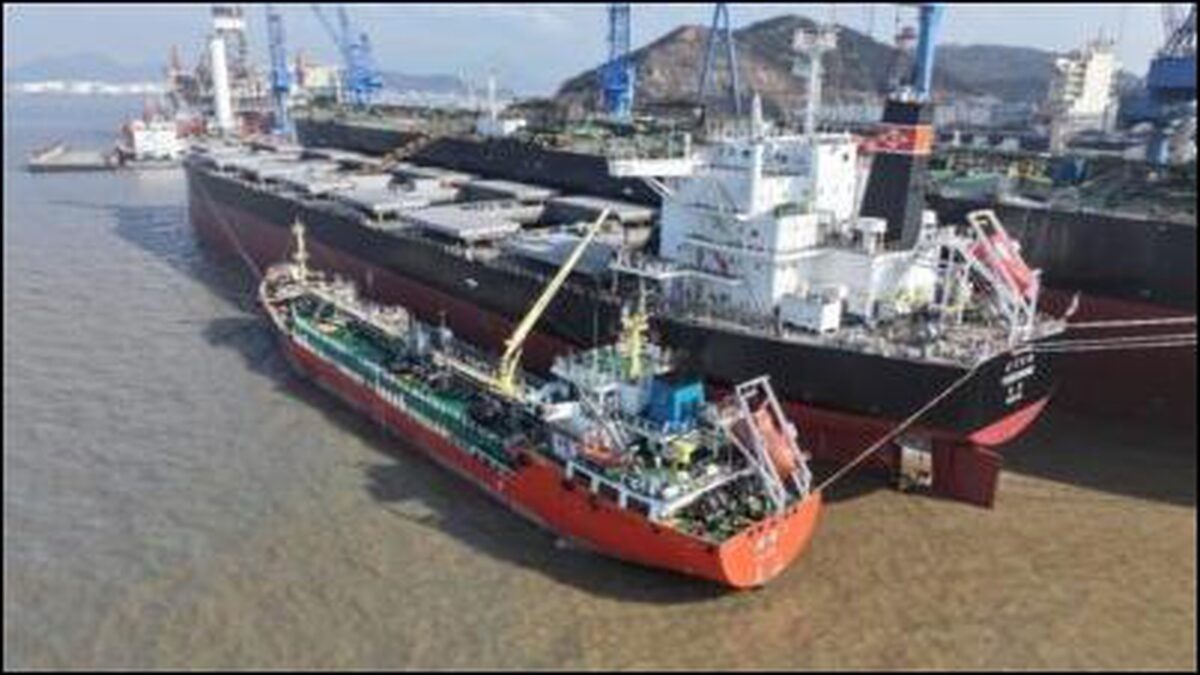
The biofuel trial commenced with the bunkering of the Yodohime at Zhoushan, China, on January 18. This strategic location for refueling highlights the growing global infrastructure supporting the uptake of alternative marine fuels. Following the bunkering, the bulk carrier embarked on a critical voyage from Australia to Japan, a typical route for such vessels, allowing for real-world operational testing conditions. The fuel utilized during the trial was a B24 blend, consisting of 24% biofuel mixed with 76% very low sulphur fuel oil (VLSFO). This blend ratio was carefully selected to optimize performance, maximize emission reductions, and avoid significant engine modifications. The comprehensive sea trials, meticulously monitored throughout the journey, successfully concluded on February 15, with the Yodohime arriving in Japan later that month.
Notably, this initiative marks a historic first: the inaugural time a domestic Japanese electric power company has partnered to conduct a biofuel trial on a vessel specifically designed with wind-assisted propulsion technology. This dual focus amplifies the environmental impact and research value of the project. Meticulous documentation and analysis of fuel consumption, engine performance, and emissions data from the Yodohime’s voyage will validate the B24 biofuel blend’s efficacy and its interaction with the wind-assist system. This scrutiny ensures robust results, informing future industry standards and regulations. The findings will significantly contribute to the broader understanding of marine biofuel applications and their potential in diverse operational scenarios, providing critical insights for the wider maritime community seeking to embrace cleaner fuel alternatives and advanced propulsion methods.
Unpacking the Role of Marine Biofuels in Decarbonizing Shipping
Marine biofuels are increasingly recognized as a vital component in the maritime sector’s decarbonization toolkit. Derived from renewable biomass sources such as waste oils, agricultural residues, or sustainable algae, these fuels offer a promising pathway to significantly reduce greenhouse gas emissions without necessitating costly overhauls of existing vessel engines. The primary appeal of biofuels lies in their ‘drop-in’ compatibility, meaning they can be directly substituted for conventional fossil fuels, either as a pure blend or in various proportions, using existing bunkering infrastructure and engine technology. This ease of integration accelerates adoption, making them an attractive immediate solution for shipowners addressing regulatory pressures and environmental targets. The B24 blend used by IINO Lines on the Yodohime exemplifies this practical approach, demonstrating how even a partial blend can yield substantial environmental dividends.
Crucially, biofuels offer a significant reduction in CO2 emissions compared to traditional fossil fuels. Experts estimate that marine biofuels can cut carbon dioxide output by approximately 80-90% on a well-to-wake basis, depending on the feedstock and production process. This dramatic reduction makes them an indispensable tool in the pursuit of net-zero shipping. Beyond CO2, certain biofuels can also contribute to reducing other harmful pollutants, such as sulfur oxides (SOx) and particulate matter, further enhancing air quality. However, sustainable feedstock sourcing, production scalability, and competitive pricing remain key considerations for widespread adoption. The IINO Lines trial provides invaluable operational data addressing real-world performance, building confidence and refining economic models for integrating these sustainable fuel solutions into mainstream maritime operations. As the industry continues to explore various alternative fuels, biofuels offer a pragmatic and immediately deployable option for substantial emissions cuts.
Harnessing Wind Power: The Yodohime’s Rotor Sail System
The Yodohime, delivered in 2016, stands as a testament to IINO Lines’ forward-thinking approach, having been fitted with an advanced rotor sail system designed to harness the natural power of wind to assist propulsion. This innovative technology is essentially a spinning cylinder that generates thrust from the Magnus effect, a force created by the interaction of wind with a rotating body. The Yodohime’s system automatically adjusts rotor speed and direction based on prevailing wind, intelligently optimizing the vessel’s forward motion. This dynamic control ensures maximum efficiency and fuel savings across diverse weather and operational demands. The integration of such a system is a clear indication of a multi-faceted strategy for achieving environmental goals.
By leveraging wind power, the rotor sail system is expected to significantly reduce bunker fuel consumption by approximately 6-10%. This reduction not only translates into lower operating costs for IINO Lines but, more importantly, leads to a direct decrease in emissions. The combination of this mechanical assistance with the use of a biofuel blend creates a powerful hybrid solution, offering a dual pathway to a significantly lower carbon footprint for the bulk carrier. Wind-assisted propulsion technologies gain traction in maritime as a tangible means to improve energy efficiency without relying solely on fuel type. The Yodohime’s performance data will be critical in demonstrating the effectiveness and reliability of these systems in commercial operations, providing a compelling case for their broader adoption in the quest for green shipping solutions. It proves that ancient maritime wisdom, reimagined with modern engineering, plays a pivotal role in sustainability efforts.
Shaping the Future of Green Maritime Transport
IINO Lines’ successful biofuel trial on the wind-assisted Yodohime is more than just a company milestone; it serves as a beacon for the entire maritime industry, illustrating a tangible path towards achieving ambitious decarbonization targets. Such trials are crucial for gathering real-world performance data, which is essential for developing robust regulatory frameworks, refining fuel specifications, and building industry confidence in new technologies. The partnership between a shipping company and electric power utility also highlights the importance of cross-sector collaboration in tackling environmental challenges. As the industry navigates towards net-zero emissions, a diversified portfolio of solutions – sustainable fuels, energy-saving devices, and operational optimizations – will be paramount. The lessons learned from the Yodohime project will undoubtedly influence future shipbuilding designs and operational strategies.
The commitment demonstrated by IINO Lines underscores a growing trend within the global shipping community to invest heavily in research and development for greener alternatives. From ammonia and hydrogen to electric propulsion and advanced sails, various technologies are being explored. However, the immediate applicability and proven benefits of a biofuel and wind-assist combination, as showcased by the Yodohime, offer a practical and scalable solution for a significant portion of the existing fleet, particularly within the bulk sector. This trial accelerates the learning curve for the entire supply chain, from fuel producers to port operators, on effectively integrating sustainable practices. Ultimately, the success of such initiatives will pave the way for a widespread transformation, fostering a more environmentally responsible and economically resilient maritime transport ecosystem.
In conclusion, IINO Lines’ completion of the biofuel trial on the Yodohime represents a significant leap forward in the journey towards sustainable shipping. By successfully combining marine biofuels with wind-assisted propulsion technology on a bulk carrier, the company has not only demonstrated its leadership in environmental innovation but also provided a clear, actionable blueprint for other maritime players. This trial underscores the urgent need for continued investment, collaboration, and pioneering spirit to accelerate global shipping decarbonization. The Yodohime stands as a powerful symbol of what is achievable when commitment meets ingenuity, steering the industry towards a cleaner, greener future for generations to come. The data from this trial will undoubtedly become a cornerstone for future advancements, inspiring a new era of eco-friendly maritime operations.