GMS Files Request to Buy Shadow Fleet Tankers

Cash buyer GMS has reportedly filed a request to acquire a significant number of shadow fleet tankers, signaling a major move within the global maritime industry. This strategic decision by GMS, a prominent player in vessel purchasing and recycling, highlights a growing trend of established companies engaging with less transparent segments of the shipping market. […]
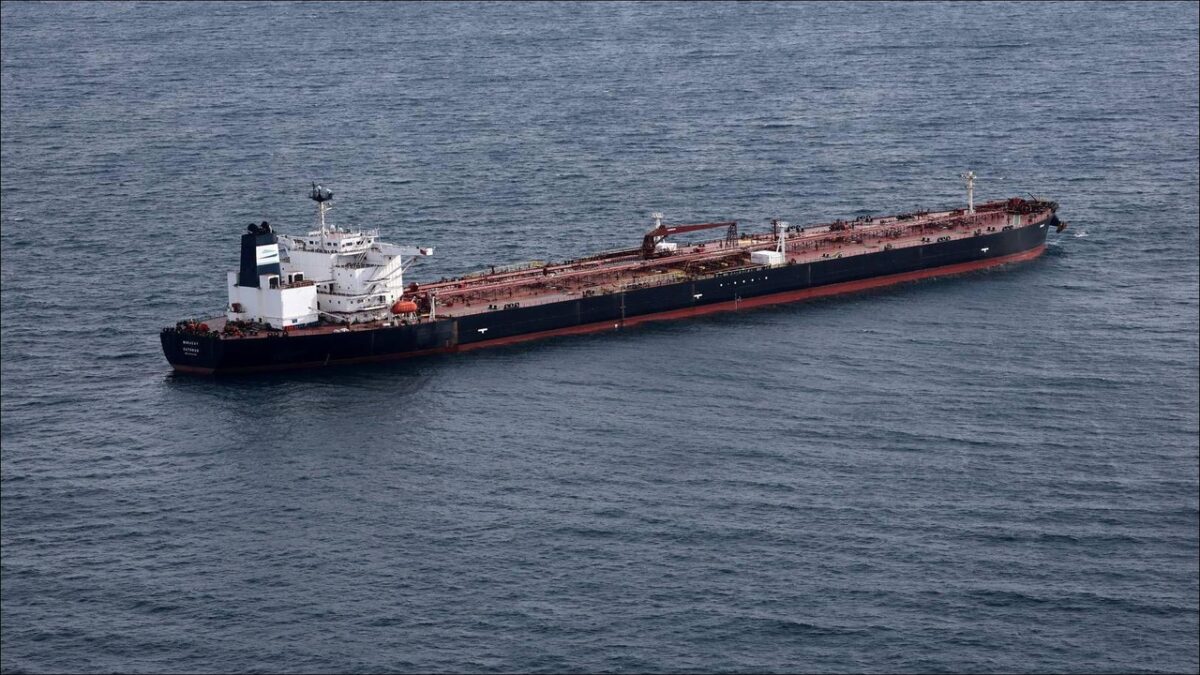
Cash buyer GMS has reportedly filed a request to acquire a significant number of shadow fleet tankers, signaling a major move within the global maritime industry. This strategic decision by GMS, a prominent player in vessel purchasing and recycling, highlights a growing trend of established companies engaging with less transparent segments of the shipping market. The potential acquisition of these vessels could reshape certain operational dynamics for both GMS and the broader tanker sector, attracting considerable industry attention.
Understanding the Shadow Fleet Phenomenon
The term “shadow fleet tankers” typically refers to older vessels operating outside conventional regulatory oversight, often involved in transporting oil for sanctioned entities or nations. These ships frequently employ deceptive practices to obscure their ownership, origin, and destination, making their operations controversial. Their existence poses challenges to international shipping regulations, transparency efforts, and environmental compliance.
GMS’s Strategic Intent and Market Impact
GMS’s interest in these vessels suggests a calculated strategy to expand its operational footprint or capitalize on specific market niches where these tankers are prevalent. As a leading cash buyer, GMS possesses the expertise to manage and potentially integrate these vessels into its portfolio, albeit with heightened scrutiny. This move could influence freight rates and vessel availability in particular trade lanes, impacting other tanker operators and the overall supply chain.
Future Implications for the Tanker Market
The acquisition by GMS could bring a new level of legitimacy or, at least, a different kind of oversight to parts of the shadow fleet. Analysts will be closely watching how GMS navigates the complexities and reputational risks associated with such an acquisition. This development underscores the ever-evolving and often opaque nature of the global tanker shipping market, prompting discussions on future regulatory frameworks and industry practices.