

Evergreen Suez return signals end of Cape detours for major alliances
Evergreen joins the Suez return, leaving Zim isolated as major alliances prepare to release up to 8% of global containership capacity.
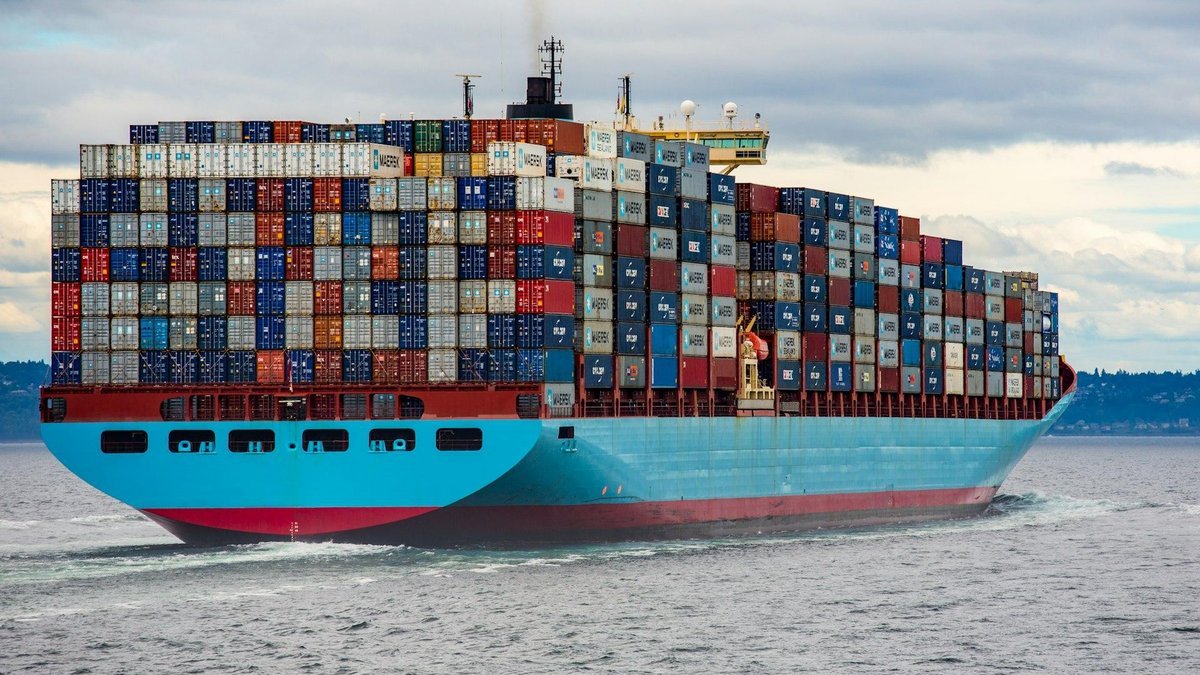
Evergreen is ending its nearly three-year avoidance of the Red Sea, marking the final Ocean Alliance member to restore Suez Canal transits. The Taiwanese carrier will deploy the 16,556 teu Ever Eon and Ever Edit through the canal on November 7 and 11 respectively, followed by the 20,124 teu Ever Gifted on November 16.
The move by Evergreen completes the Ocean Alliance’s return to the waterway, joining partners CMA CGM, Cosco, and OOCL. This shift is part of a wider industry trend as the Premier Alliance—comprising ONE, HMM, and Yang Ming—restores Mediterranean services through Suez, and the Gemini Cooperation partners Maersk and Hapag-Lloyd transition their ME1 service away from the Cape of Good Hope.
The End of the Supply Buffer
The mass return to the Suez Canal represents a significant turning point for global containership supply. While the Cape of Good Hope diversions effectively soaked up excess tonnage throughout 2024, a comprehensive return to the canal is expected to release between 6% and 8% of global capacity, according to Xeneta. This sudden influx of available slots arrives at a critical juncture as a substantial wave of newbuilding deliveries continues to enter the global fleet.
For vessel operators, the transition from the Cape back to Suez removes the primary operational buffer that has supported freight rates amid record-breaking fleet growth. The simultaneous return of all three major liner alliances and MSC, which Linerlytica projects will be complete by the first quarter of 2027, suggests a looming period of intense downward pressure on utilization levels.
Zim Facing Strategic Isolation
As the industry moves toward normalization, Israeli carrier Zim is becoming increasingly isolated as the most prominent major holdout. With Houthi militants specifically targeting Israeli-linked tonnage, Zim remains unable to follow its competitors back into the Red Sea. This creates a widening operational divide between Zim and its peers, as the carrier must continue to bear the higher fuel costs and longer transit times associated with the southern African route while its competitors regain the efficiency of the Suez shortcut.
The first westbound sailing of the Maersk and Hapag-Lloyd ME1 service departed Salalah yesterday, marking the beginning of this phased restoration. As more services migrate back to the canal, the primary challenge for the sector will shift from managing logistical disruptions to absorbing the massive volume of capacity being returned to the market.
Source: Splash247