

Asia-Europe Liner Networks Hit by 78 Percent Surge in Service Instability
Sea-Intelligence data shows a 78% rise in Asia-North Europe service instability, creating a volatile new baseline for global container networks.
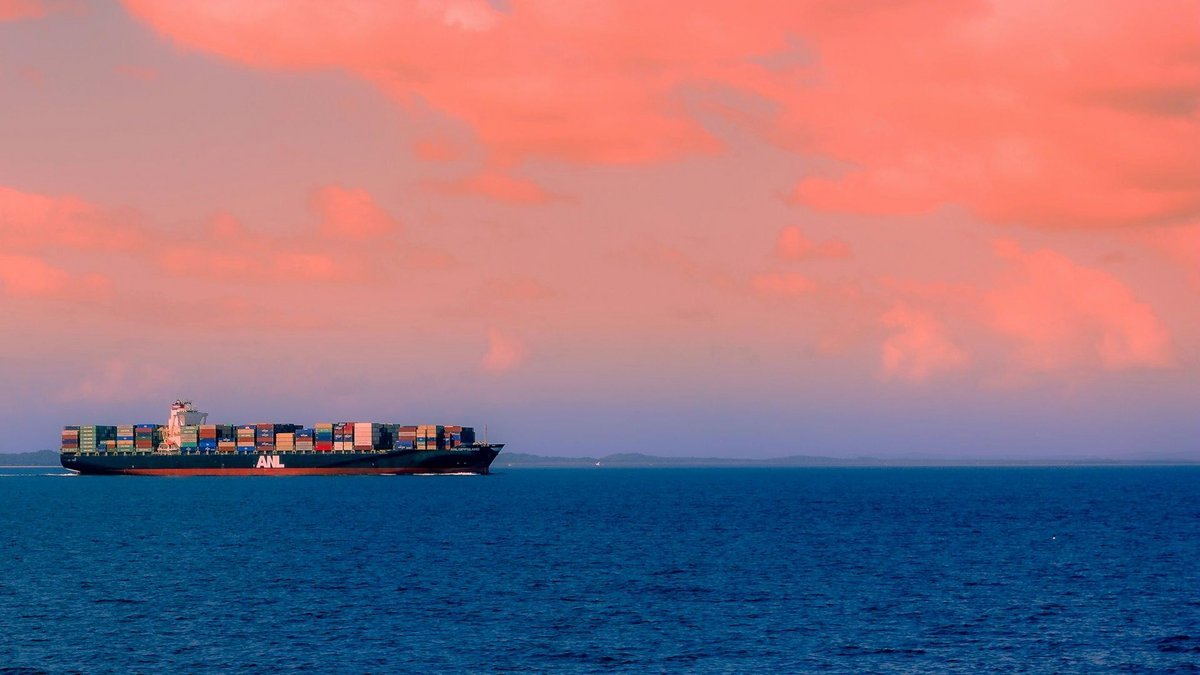
Container shipping networks are operating under a significantly more volatile baseline than in the previous decade, with Sea-Intelligence reporting a massive 78% increase in weekly service instability on the Asia-North Europe trade lane.
Data comparing the post-pandemic period of 2020-2026 against the 2013-2019 baseline reveals that operational disruptions are most heavily concentrated on the Asia-Europe corridor. While North Europe saw the largest spike, the Asia-Mediterranean trade also recorded a 71% increase in instability. These figures represent a profound shift in the reliability of liner schedules, suggesting that the turbulence of recent years has become a structural feature of the market rather than a temporary deviation.
Transpacific Resilience and Regional Variance
The Transpacific network has absorbed recent market turbulence slightly better than its European counterparts, though it remains well above historical norms. Service instability on the Asia-North America West Coast route increased by 48%, while the Asia-North America East Coast trade lane proved the most stable of the major deep-sea routes, recording a comparatively smaller 26% increase.
For maritime professionals, this data confirms that the challenge of managing capacity is no longer just about total volume, but the unpredictable timing of that volume. This constant shifting in available weekly capacity prevents cargo owners from accurately forecasting supply chain flows and complicates long-term procurement strategies.
Operational Bottlenecks and Infrastructure Strain
The most critical implication of this heightened instability is its direct role in triggering port congestion. When the arrival of vessels and container volumes fluctuates unpredictably, it creates immediate bottlenecks at the quay and the gate. Maritime infrastructure is designed for steady flow; sudden surges followed by lulls make it nearly impossible for terminals to optimize labor and berth allocation.
This volatility creates a self-reinforcing cycle of delays. Sudden congestion at arrival ports leads to longer vessel waiting times, which in turn degrades schedule reliability for the next leg of the voyage. As transit times lengthen and become less predictable, the resulting inefficiency effectively traps capacity and further destabilizes the liner network, leaving both carriers and shippers in a perpetual state of reactive planning.
Source: Container News