EU Targets Shadow Fleet and Russian-Insured Tankers in New Sanctions

The EU's 22nd sanctions package targets 70 shadow fleet vessels and bans Russian-insured tankers, tightening the net on energy transport services.
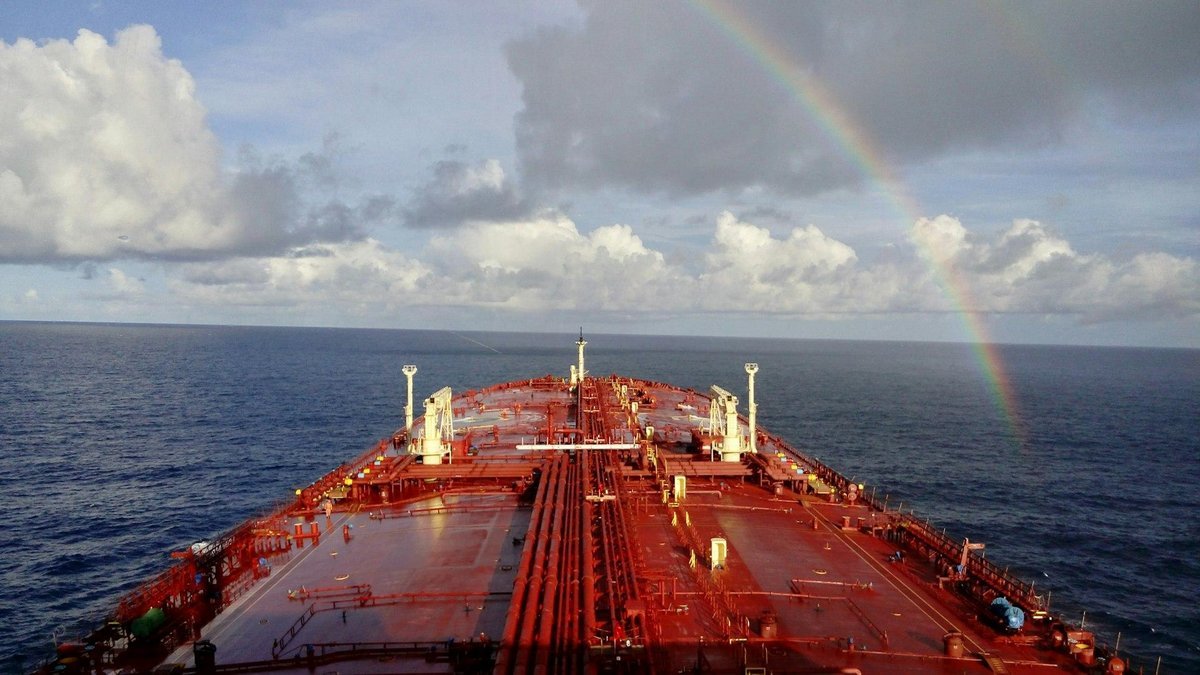
The European Commission has proposed a 22nd sanctions package targeting Russia’s maritime and energy sectors, including a ban on all tanker vessels insured within Russia. The measures aim to restrict the transportation of Russian energy products by targeting the shadow fleet and supporting services.
The proposal seeks to add more than 70 vessels linked to Russia’s shadow fleet to the European Union’s sanctions list. Additionally, the Commission plans to expand the existing energy services ban to prevent European companies from assisting in the construction, operation, or repair of Russian energy infrastructure, with new restrictions covering electricity-related services for the first time.
The maritime measures are part of a broader package that includes removing approximately 60 Russian banks from the SWIFT financial messaging system and establishing a Crypto Sanctions Task Force to monitor evasion. The proposals require unanimous approval from all EU member states before they take effect.
Why it matters
The proposed prohibition on Russian-insured tankers creates a direct compliance hurdle for charterers and cargo owners who rely on these vessels to move Russian energy. If adopted, this measure forces market participants to verify the origin of insurance coverage for every vessel in their supply chain, effectively narrowing the pool of available tonnage for Russian exports.
By targeting 70 specific vessels, the EU is increasing the operational risk for owners and operators associated with the shadow fleet. This move signals a shift toward isolating these ships from European maritime services, potentially complicating port calls and access to essential technical support for any vessel identified as part of the sanctioned group.
The expansion of the energy services ban to include electricity-related services and refinery infrastructure further limits the technical support available to Russian energy firms. For European service providers, this necessitates a rigorous audit of existing contracts to ensure compliance with the expanded scope of restricted activities.
What to watch
The timeline for these measures depends on the unanimous approval of EU member states. Market participants should monitor for the final list of the 70 targeted vessels and the specific implementation date for the transaction ban on the 60 identified Russian banks.