Caspian Sea Trade Routes Struggle to Replace Iranian Port Imports

US sanctions on Iranian ports are forcing trade into congested land and Caspian routes, creating severe bottlenecks and supply shortages.
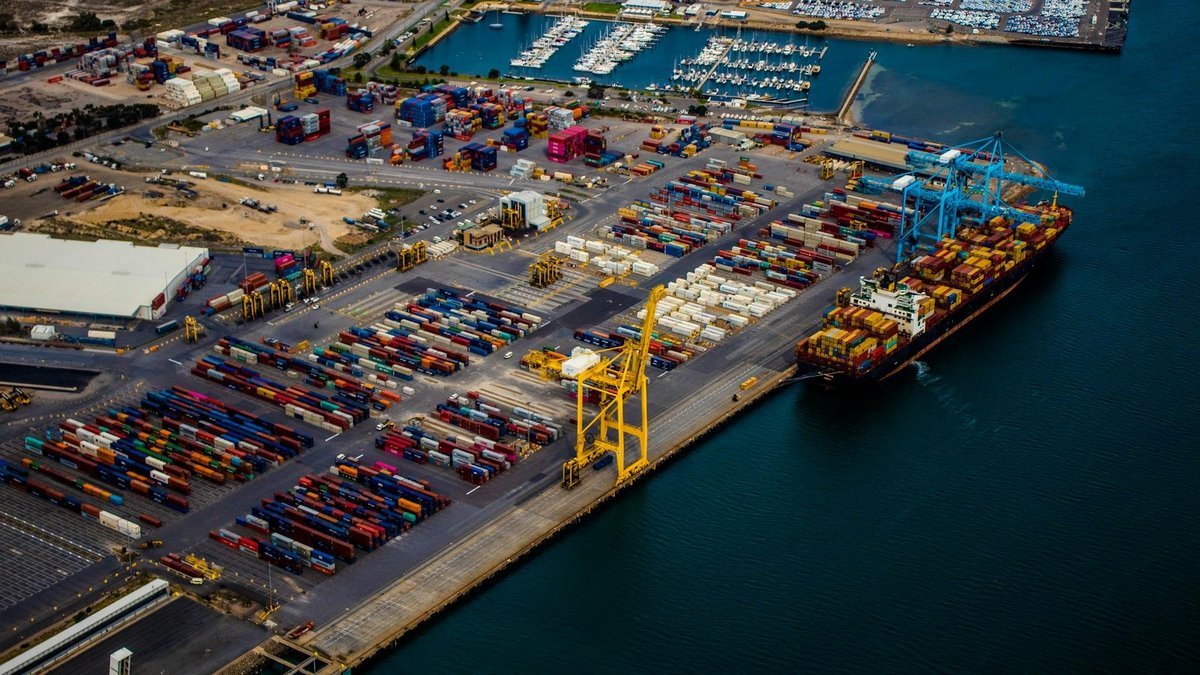
The US blockade of Iranian ports and the restriction of ship-to-ship transfers have forced a shift in trade routes that the current infrastructure cannot sustain. With 80 percent of Iran’s imports previously handled through Bandar Abbas, the country is now relying on alternative land and sea channels that are experiencing severe congestion.
Trucking routes through Turkey are facing delays of at least a week at the Bazargan border crossing. Similarly, the route from Xinjiang to Iran is seeing a 25-mile queue of trucks at the Yalama border crossing between Kazakhstan and Uzbekistan. Rail routes through Turkmenistan and the Iran-Pakistan border are also reporting significant delays, limiting the volume of goods that can reach Iranian markets.
The sea route across the Caspian from Russia has emerged as a potential alternative, though it remains constrained by vessel size and port capacity. While AIS data shows an average of 25 vessels moving north-south in the Caspian, the ships are limited by the 8,500 DWT capacity required for the Volga-Don Canal system. Furthermore, satellite imagery from November 24 indicates that over 60 ships are waiting off Bandar Amirabad, with only half of those vessels appearing on AIS.
Why it matters
For shipowners and charterers, the reliance on smaller vessels to navigate the Caspian Sea creates a logistical ceiling. The physical limitations of the Volga-Don Canal and the shallow draft requirements of regional ports mean that these vessels cannot replicate the economies of scale provided by the larger ships that previously serviced Bandar Abbas. The inability to clear these vessels through Iranian ports suggests that even if more tonnage is deployed, the bottleneck will remain at the terminal level.
The situation presents a persistent operational risk for those attempting to bypass US-led initiatives like Operation Economic Outcast and Task Force Iron Gate. With the IRGC increasing surveillance on incoming goods and the potential for further Ukrainian attacks on shipping in the region, the unpredictability of these routes is rising. For traders, the failure of these alternative routes to handle increased volumes points to deepening shortages of foodstuffs and essential goods, as the current infrastructure lacks the capacity to compensate for the loss of primary import hubs.
What to watch
Monitor port congestion data at Bandar Amirabad and Bandar Anzali, as the gap between AIS tracking and satellite imagery confirms that many vessels are operating without full transparency, complicating arrival schedules and port operations.