Cape of Good Hope Transits Drop 9% as Global Chokepoint Traffic Shifts

Cape of Good Hope vessel transits fell 9% in the week to 22 November, signaling a shift in global shipping patterns across key maritime chokepoints.
Cape of Good Hope transits fall 9%
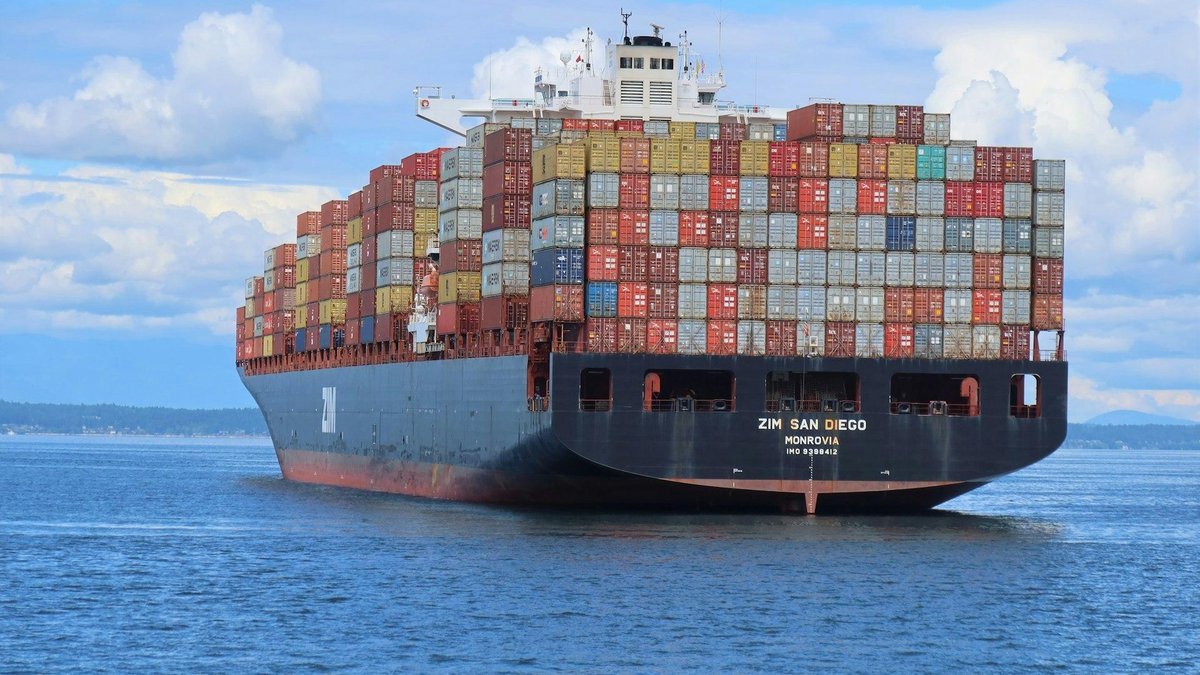
Commercial vessel transits via the Cape of Good Hope dropped 9% in the seven days ending 22 November, according to the latest data from the IMF PortWatch platform. The decline brings the weekly total to 480 transits, down 24% compared to the same week last year.
The traffic mix through the Cape route was dominated by 236 dry bulk carriers, 127 tankers, and 72 container ships. This weekly contraction follows a broader trend of shifting transit volumes across major global maritime chokepoints.
Elsewhere, the Suez Canal recorded 319 transits, a 1% decrease from the previous week but a 14% increase year-on-year. The Bab el-Mandeb Strait saw a 6% weekly rise to 189 transits, though this figure remains 34% lower than the same period in 2025. The Strait of Hormuz reported 19 transits, an unusually large 19% weekly increase, though volumes remain 96% below the same week last year.
Why it matters
The 9% drop in Cape of Good Hope transits suggests that vessel operators are recalibrating routing decisions as they weigh the costs of longer voyages against the risks associated with traditional chokepoints. For dry bulk owners, who represent the largest segment of Cape traffic, this shift directly impacts voyage duration and vessel availability.
While the Suez Canal continues to see higher year-on-year volumes, the volatility in transit numbers across the Bab el-Mandeb and the Cape of Good Hope indicates that charterers and shipowners are not yet settling into a stable routing pattern. The significant 96% year-on-year decline in Hormuz traffic remains a critical outlier for tanker and bulk operators reliant on the region.
Because PortWatch figures are based on provisional AIS data, these weekly fluctuations should be viewed as indicators of current operational trends rather than long-term structural shifts. Owners and charterers should monitor whether the recent decline in Cape transits persists into the coming weeks, as a sustained drop could signal a return to more traditional, shorter routes if operational conditions allow.
What to watch
Market participants should track future PortWatch updates to determine if the 19% weekly spike in Strait of Hormuz transits represents a genuine recovery in traffic or a temporary statistical anomaly in the satellite-derived data.