Kerch Bridge Wreckage Blocks Russian Navy and Shipping from Sea of Azov

The collapse of the Kerch Bridge road span into the shipping channel has physically severed the Sea of Azov, trapping the Russian Black Sea Fleet.
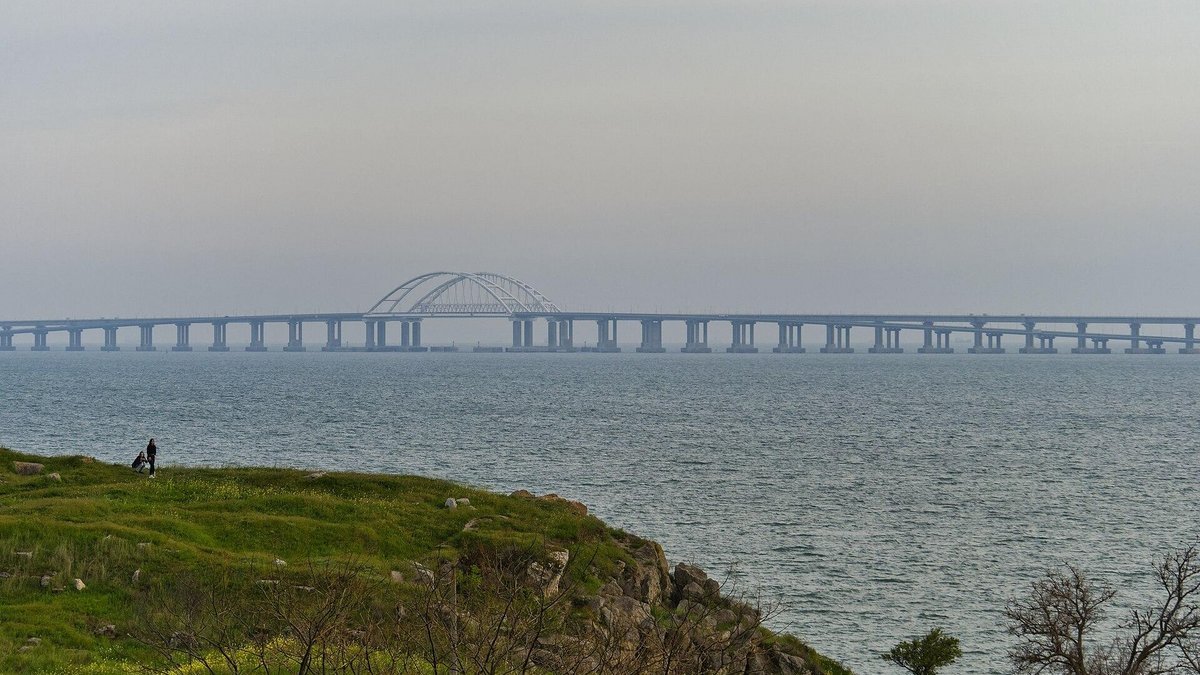
The collapse of the Kerch Bridge road span into the region’s only deep-water fairway has physically severed the Sea of Azov from the Black Sea, trapping the Russian Navy and halting commercial transit through the strait. A 6,000-tonne section of the bridge now occupies the water column in the 6.7-meter-deep channel, creating a total blockage that Russian forces cannot easily bypass or clear.
Ukrainian Navy Spokesperson Dmytro Pletenchuk confirmed that the wreckage has closed the strait to Russian shipping. While deeper water exists near the navigation span, tight pier spacing and existing defensive structures—installed to stop drone boats—prevent vessels from using alternative routes. Pletenchuk stated that the Russian Black Sea Fleet has lost its primary option for a safe withdrawal from the Black Sea and must now focus on survival at its vulnerable base in Novorossiysk.
Salvage operations face immediate hurdles. Heavy wreckage must be cleared in a combat zone, and Ukrainian officials noted that poor weather will delay any recovery efforts. Meanwhile, the adjacent rail span remains standing but damaged, leaving it a target for potential follow-up strikes that could finalize the isolation of the Crimean Peninsula.
Why it matters
The blockage transforms the Sea of Azov from a strategic corridor into a cul-de-sac. For commercial operators and charterers, the closure of the Kerch Strait fairway halts the movement of any vessel that relied on the 6.7-meter control depth. With the main channel obstructed and the rest of the bridge structure posing allision risks, the regional supply chain now depends entirely on vulnerable ferry crossings and a land corridor through Mariupol that sits within range of strike drones.
For the Russian Navy, the physical barrier removes the ability to shuffle warships between the Black Sea and the relative safety of the Sea of Azov. This confinement forces the Black Sea Fleet to remain at Novorossiysk, where it is currently limited to defensive measures and frequent pier-shuffling to avoid detection. The fleet is effectively pinned down, unable to utilize the depth of its own backyard for strategic repositioning.
The situation places extreme pressure on the remaining logistics infrastructure. If the rail span or the ferry system fails, Russian forces and civilians in Crimea face a total supply chain break. This makes the wreckage in the water more than a navigational hazard; it is a physical seal on a primary theater of maritime logistics that will persist until a complex salvage operation can be completed under fire.
What to watch
The status of the damaged rail span is the next critical trigger, as its destruction would leave the land route through Mariupol as the only high-capacity link to the region. Any attempt to bring in heavy salvage equipment will also signal a shift in the security environment around the bridge wreckage.