EU Approves €103M for Dutch Green Shipping Vessels | Mariner News
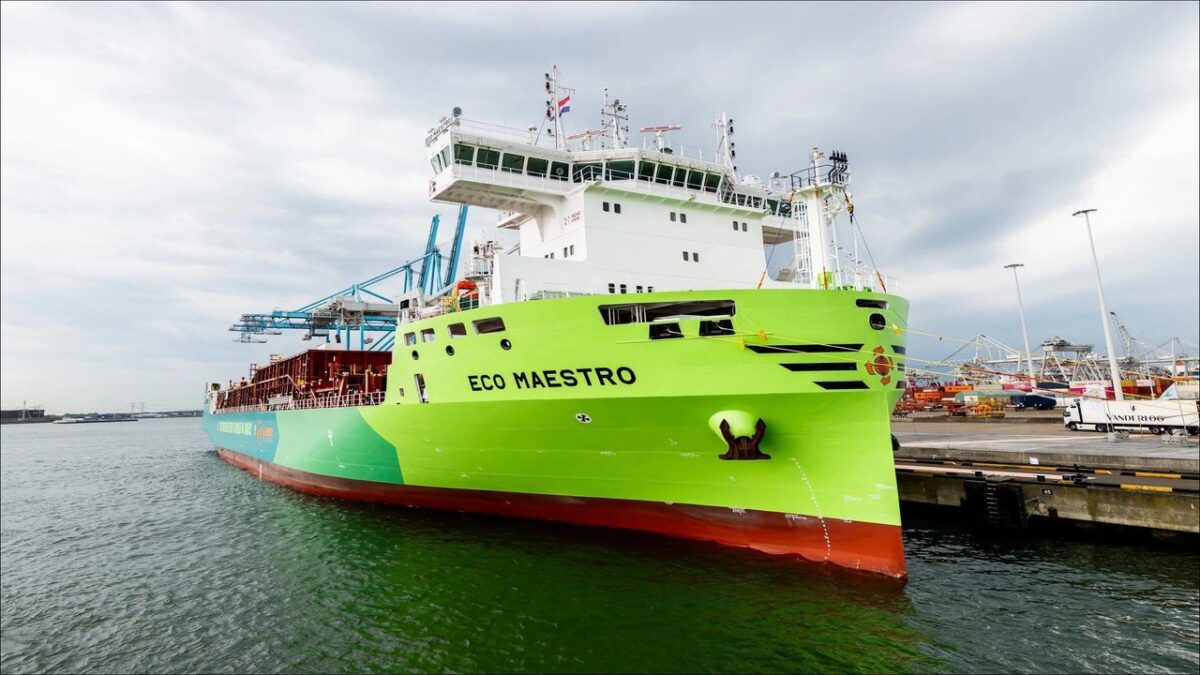
The European Commission (EC) has recently given its significant approval to a substantial €103 million Dutch State aid scheme, a move poised to dramatically accelerate the decarbonization of the Netherlands’ maritime fleet. This monumental funding is specifically earmarked to support the acquisition of new, advanced Dutch methanol and hydrogen vessels, alongside facilitating the conversion of existing ships to operate on these cleaner marine fuels. This initiative marks a crucial step in the global maritime industry’s journey towards a more sustainable future, emphasizing the urgent need for innovative solutions to reduce carbon emissions and environmental impact.
The scheme, which will disburse grants between 2027 and 2031, targets a wide array of maritime assets including passenger, cargo, and work vessels, with a particular focus on the bustling short-sea shipping sector. By providing direct grants through an open and competitive selection process, the Netherlands aims to empower shipping companies to overcome the formidable financial hurdles associated with investing in cutting-edge green technologies. The EC’s endorsement underscores the strategic importance of this aid, recognizing that high upfront costs remain a primary barrier to the widespread adoption of sustainable shipping practices across Europe and beyond.
Accelerating Sustainable Maritime Transport in the Netherlands
This €103 million scheme represents more than just financial aid; it’s a profound commitment to revolutionizing the Netherlands’ maritime sector. The primary objective is to fast-track the transition towards sustainable maritime transport by enabling the adoption of alternative, low-carbon fuels. The grants are designed to mitigate the inherent financial risks and higher initial capital expenditure associated with purchasing new vessels engineered for alternative fuels or retrofitting existing ones. This proactive approach ensures that the Dutch fleet remains at the forefront of maritime innovation and environmental stewardship.
By covering various vessel types, from crucial cargo carriers to essential passenger ferries and specialized workboats, the program ensures a comprehensive impact across the domestic and short-sea shipping segments. This broad scope is vital for achieving meaningful reductions in greenhouse gas emissions and improving air quality in coastal areas and inland waterways. The strategy acknowledges that decarbonization must be an inclusive process, involving all facets of the maritime industry to foster a holistic green transition.
The period between 2027 and 2031 offers a clear timeline for the rollout of these clean shipping technologies, aligning with broader European Union policy objectives. This long-term vision provides certainty for investors and technology developers, encouraging further innovation and investment in the sustainable maritime ecosystem. The scheme is meticulously crafted to complement and bolster ambitious EU policies such as FuelEU Maritime and the EU Emissions Trading System (ETS), ensuring synergy in the continent’s collective effort to combat climate change.
The Pivotal Role of Methanol and Renewable Hydrogen
The choice of methanol and renewable hydrogen as the designated marine fuels for this scheme is highly strategic, reflecting their immense potential to drive maritime decarbonization. Methanol, particularly bio-methanol or e-methanol, offers a viable pathway to significantly reduce CO2, SOx, NOx, and particulate matter emissions. Its liquid state makes it easier to handle and store compared to gaseous fuels, requiring less extensive modifications to existing bunkering infrastructure.
Renewable hydrogen, on the other hand, represents the ultimate goal of zero-emission shipping. While its storage and handling present greater challenges, particularly for long-distance voyages, its potential for completely eliminating greenhouse gas emissions makes it a critical long-term solution. The dual focus on both fuels allows for flexibility and innovation, supporting different operational profiles and technological readiness levels within the fleet.
Investing in these alternative marine fuels not only addresses environmental concerns but also positions the Netherlands as a leader in the development and adoption of future-proof shipping solutions. This foresight is crucial for maintaining competitiveness in a rapidly evolving global maritime landscape, where regulatory pressures and consumer demand for green logistics are steadily increasing. The EC’s approval validates these choices, recognizing their capacity to deliver substantial environmental benefits.
Financial Incentives Driving Green Ship Investments
The core of the Dutch scheme lies in its financial mechanism: direct grants awarded through a competitive selection process. This method ensures transparency, fairness, and the efficient allocation of funds to the most impactful and viable projects. By reducing the financial burden on shipping companies, the scheme directly addresses one of the most significant impediments to widespread adoption of green technologies.
Shipping companies often face a difficult decision when considering clean marine fuels: the environmental benefits are clear, but the initial investment costs for new vessels or conversions can be prohibitive, especially when existing conventional fuel prices remain lower. This state aid bridges that gap, making the business case for sustainable shipping more attractive and feasible. It de-risks early adoption, encouraging pioneers in the sector to embrace change.
Beyond immediate financial relief, these grants stimulate a virtuous cycle of innovation and economic growth. They encourage shipyards, technology providers, and fuel suppliers to invest in research and development for sustainable maritime solutions. This fosters a robust ecosystem for green shipping, creating jobs, developing specialized skills, and solidifying the Netherlands’ position as a hub for maritime technological advancement. The scheme transforms a compliance challenge into an economic opportunity.
A Strategic Model for European Maritime Decarbonization
The Netherlands’ proactive stance, backed by EC approval, sets an important precedent and offers a practical blueprint for other European nations committed to maritime decarbonization. This initiative demonstrates how targeted state aid, combined with a clear regulatory framework, can effectively de-risk and accelerate the transition to cleaner fuels across a significant portion of a national fleet. It showcases a viable pathway to translate ambitious climate goals into tangible actions.
The success of the Dutch methanol and hydrogen vessels scheme will undoubtedly be closely monitored across the continent. Its outcomes will provide invaluable data and insights into the practicalities of large-scale alternative fuel adoption, infrastructure development, and operational efficiencies. Such insights are critical for refining EU-wide strategies and ensuring a coordinated approach to achieving the European Green Deal objectives within the maritime sector.
Furthermore, this initiative promotes a shared vision of a cleaner maritime future for Europe. By fostering competition and innovation in green shipping technologies, it creates a rising tide that can lift all vessels, ultimately benefiting the entire European maritime industry through shared best practices, technological advancements, and a more sustainable competitive edge on the global stage. It is a powerful example of how national ambition can align with supranational goals for collective progress.
Shaping the Future of Zero-Emission Shipping
Looking ahead, the €103 million investment in Dutch methanol and hydrogen vessels is more than just a momentary boost; it is a foundational step towards a future where zero-emission shipping is not merely an aspiration but a tangible reality. The grants available until 2031 will play a critical role in developing a robust infrastructure for alternative marine fuels, supporting the construction of new green vessels, and enabling the retrofitting of existing ones. This long-term commitment ensures sustained momentum in the decarbonization efforts.
The impact will extend beyond individual vessels, influencing the entire maritime supply chain. From engine manufacturers to port operators and fuel bunkering services, every segment will be compelled to innovate and adapt to support the growing fleet of clean ships. This transformative shift promises to redefine maritime logistics, making sustainability a core principle of future operations and investments. The Netherlands is, in essence, laying the groundwork for a green maritime industrial revolution.
Ultimately, the European Commission’s approval and the Netherlands’ investment represent a powerful commitment to environmental stewardship and a vision for a cleaner, more sustainable maritime industry. By championing Dutch methanol and hydrogen vessels, this scheme is set to not only reduce the carbon footprint of the Netherlands’ fleet but also to inspire and guide similar initiatives across Europe and globally, paving the way for a truly green maritime future where economic prosperity and environmental responsibility go hand in hand.