EasyJet Bid: Castlelake Partners MSC for Takeover | Mariner News
In a significant development poised to reshape the European aviation landscape, private equity firm Castlelake is reportedly advancing its plans for a potential EasyJet bid, with the formidable Swiss-Italian shipping conglomerate MSC emerging as a crucial partner in this ambitious undertaking. This high-stakes maneuver could see a major player in the global container and cruise line industry, MSC, take a substantial stake in the popular British budget airline, signaling a strategic diversification that extends far beyond the maritime domain. The consortium’s formation is an intriguing blend of financial muscle and vast operational reach, designed to navigate the complexities of a major airline acquisition in a highly regulated market.
The initial reports, first published by the Italian newspaper Corriere della Sera and subsequently picked up by Reuters, indicate that US investment firm Castlelake is actively exploring this consortium model with MSC. While Castlelake has previously confirmed it is in the early stages of considering an offer – an impressive sum exceeding 403.23 pence per share – no formal approach has yet been made to EasyJet’s board of directors. The clock is ticking for Castlelake under stringent British takeover rules, with a deadline of June 26 to either present a binding offer or formally withdraw its interest. The inclusion of MSC is not merely a financial partnership; it is strategically vital, specifically intended to help ensure that any potential bid complies with the intricate web of EU ownership rules, a critical factor for any European airline.
The Strategic Alliance: Castlelake and MSC’s Joint Venture
The proposed alliance between Castlelake and MSC represents a convergence of distinct yet complementary strengths. Castlelake, a global alternative investment firm with significant experience in aviation finance and asset management, brings the financial acumen and investment structuring expertise essential for a deal of this magnitude. Their interest in EasyJet underscores a broader trend of private equity firms targeting undervalued assets in sectors poised for post-pandemic recovery. Their track record in aircraft financing and leasing positions them as a credible suitor capable of orchestrating a complex M&A transaction.
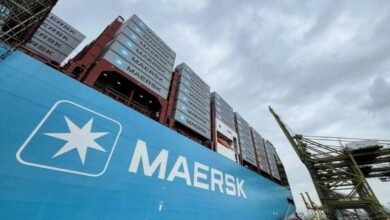
MSC, on the other hand, is a colossal force in global logistics and transportation. As one of the world’s largest container shipping lines, with extensive operations in cruise lines and port terminals, its potential foray into commercial aviation would mark a significant strategic pivot. This move is less about direct operational synergy with their core shipping business and more about strategic diversification and expanding their footprint across the broader transportation ecosystem. Their deep pockets and long-term investment horizon make them an ideal partner for Castlelake, especially when considering the substantial capital required for an airline takeover.
EasyJet: A Prime Target in European Aviation
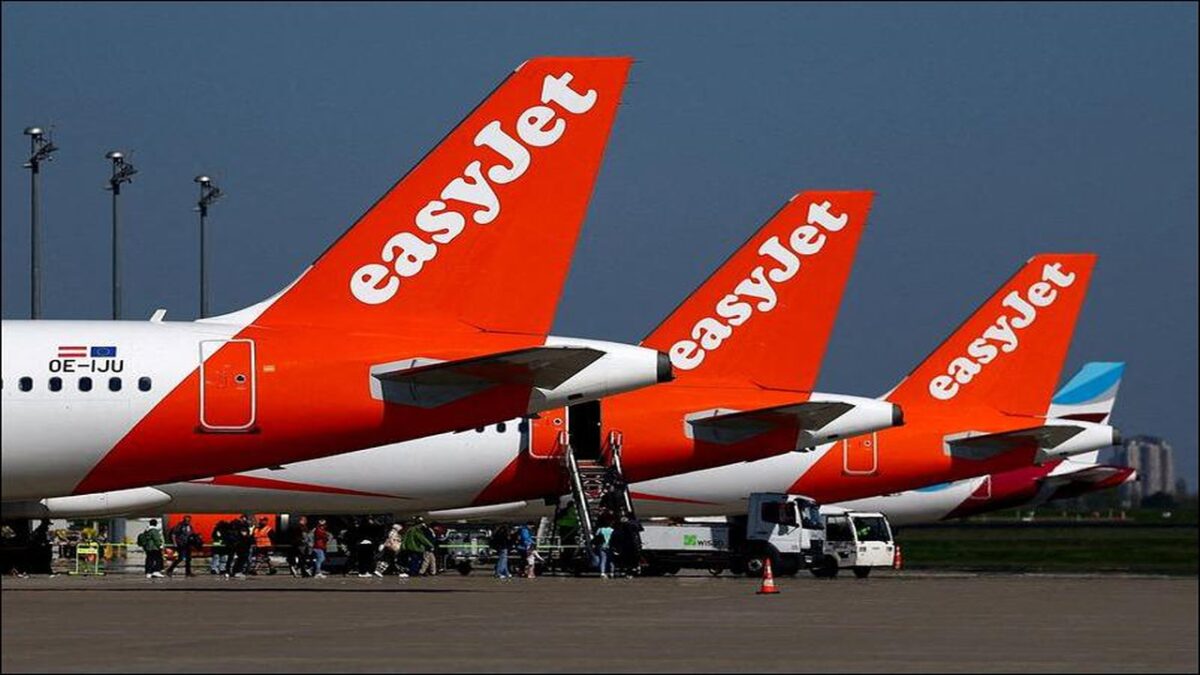
EasyJet, a household name in European budget travel, presents an attractive target for investors seeking to capitalize on the robust rebound of the travel sector. As one of Europe’s leading low-cost carriers, it boasts a strong brand presence, an extensive network of popular routes, and a loyal customer base. Despite facing challenges during the pandemic, the airline has shown resilience and is well-positioned for future growth as air travel continues its recovery trajectory. Its operational efficiency and market share make it a valuable asset in the competitive European skies.
For a private equity firm like Castlelake, EasyJet offers the potential for significant value creation through operational enhancements, strategic route optimization, and perhaps a fresh capital injection. For MSC, a stake in EasyJet could provide a critical entry point into the lucrative aviation sector, complementing its existing investments in land-based transportation infrastructure, such as its stakes in the Italian railway system. This multi-modal approach to transportation logistics could unlock new strategic advantages, although the immediate synergies might not be direct in terms of day-to-day operations, the broader strategic vision could be compelling.
Navigating Regulatory Hurdles and Financial Considerations
The path to an EasyJet acquisition is fraught with regulatory complexities. British takeover rules are designed to ensure fairness and transparency in M&A activities, requiring strict timelines and disclosure obligations. Castlelake’s June 26 deadline for a binding offer or withdrawal highlights the pressure involved in such high-profile bids. The reported offer price of over 403.23 pence per share indicates a substantial valuation, requiring significant financial backing and a clear strategy to secure shareholder approval.
Crucially, the involvement of MSC is primarily driven by the need to comply with EU ownership rules for airlines. These regulations often stipulate that European airlines must be majority-owned and controlled by EU/EEA nationals or entities, a requirement that could be challenging for a US-based firm like Castlelake to meet independently post-Brexit. MSC, with its Swiss-Italian roots and strong European presence, can provide the necessary European ownership component, making the consortium a viable structure for regulatory approval. This aspect underscores the strategic importance of MSC beyond just capital provision; it is a vital enabler for regulatory compliance.
MSC’s Expanding Horizons Beyond Shipping
MSC’s potential move into the airline industry is consistent with its broader strategy of diversifying its vast portfolio beyond traditional maritime shipping. The company has already demonstrated a keen interest in expanding its footprint across various transportation and logistics sectors, as evidenced by its substantial investments in the Italian railway system. This expansion signifies MSC’s ambition to become a comprehensive global logistics powerhouse, offering end-to-end solutions that span sea, rail, and potentially air.
Such diversification not only hedges against the cyclical nature of the shipping industry but also positions MSC to capitalize on emerging opportunities in integrated supply chain management. By linking its unparalleled ocean freight capabilities with land and air transport, MSC could theoretically offer a more holistic and efficient logistics platform to its global clientele. While a direct operational link between flying passengers and container shipping isn’t immediately obvious, the strategic aim appears to be about leveraging financial strength and market influence to build a broader transportation empire.
Market Reactions and Investment Outlook
The news of a potential EasyJet bid involving Castlelake and MSC has naturally stirred significant interest across financial markets and within the aviation and shipping sectors. EasyJet’s share price has reacted to the speculation, reflecting investor optimism about a potential premium offer. Such a high-profile acquisition could signal a renewed confidence in the airline industry and potentially spark further M&A activity among other carriers.
For MSC, this venture, if successful, would cement its status as a diversified global player, potentially influencing its valuation and investor perception. The market will be closely watching how a shipping giant integrates an airline into its strategic vision, and what implications this might have for its competitors in both the maritime and logistics domains. The move could set a precedent for other large industrial conglomerates exploring cross-sector investments as a means of growth and risk mitigation.
Past Interests and Future Prospects for the EasyJet Takeover
Interestingly, this isn’t the first time MSC has been linked to a potential EasyJet takeover. Reports from October of last year, also cited by Corriere della Sera, indicated that MSC had previously rejected interest in the airline. This historical context adds another layer of intrigue to the current developments, suggesting that while MSC may have been hesitant in the past, conditions or strategic priorities have since shifted, making an EasyJet acquisition more appealing now. The current collaborative approach with Castlelake might be the key differentiator, providing the structure and regulatory compliance that was perhaps missing in earlier considerations.
As the June 26 deadline approaches, the aviation and financial worlds will be keenly observing every development. The potential for a successful EasyJet bid by the Castlelake-MSC consortium could not only transform EasyJet’s future but also mark a significant milestone in the diversification strategy of one of the world’s largest maritime entities. This strategic partnership represents a bold move to bridge disparate sectors of the global transportation industry, promising to be a defining moment for all parties involved and for the broader market dynamics.