Dutch Maritime Groups Urge Action for Rotterdam Bunker Hub | Mariner News
The famed Rotterdam bunker hub, a cornerstone of the global marine fuel market, faces an escalating crisis as Dutch maritime organizations issue a stark warning about its declining market share. A coalition of influential groups has called upon the government to implement urgent measures, emphasizing the critical need for a level regulatory playing field to safeguard the Netherlands’ position as a premier bunkering destination. Without immediate intervention, the nation risks significant losses in this vital sector, with bunker business increasingly shifting to neighboring ports due to disparate regulatory enforcement. This situation not only threatens economic stability but also highlights the complex challenges of integrating sustainable practices within a competitive international shipping landscape.
Dutch maritime stakeholders have articulated their concerns in a comprehensive position paper, underscoring how varying interpretations and implementations of the European Union’s renewable fuel rules are inadvertently driving vessels away from Rotterdam. The core issue revolves around the country’s approach to the revised Renewable Energy Directive (RED III), which, according to industry representatives, places an undue financial burden on local bunker suppliers. This policy has mandated higher costs for marine fuels by requiring suppliers to blend renewable components or purchase costly emissions reduction units, while simultaneously restricting the use of certain feedstocks like used cooking oil. The cumulative effect of these regulations has created a noticeable price differential, making Rotterdam a less attractive option for shipping companies seeking cost-effective bunkering solutions.
The Shifting Tides: Challenges Facing the Rotterdam Bunker Hub
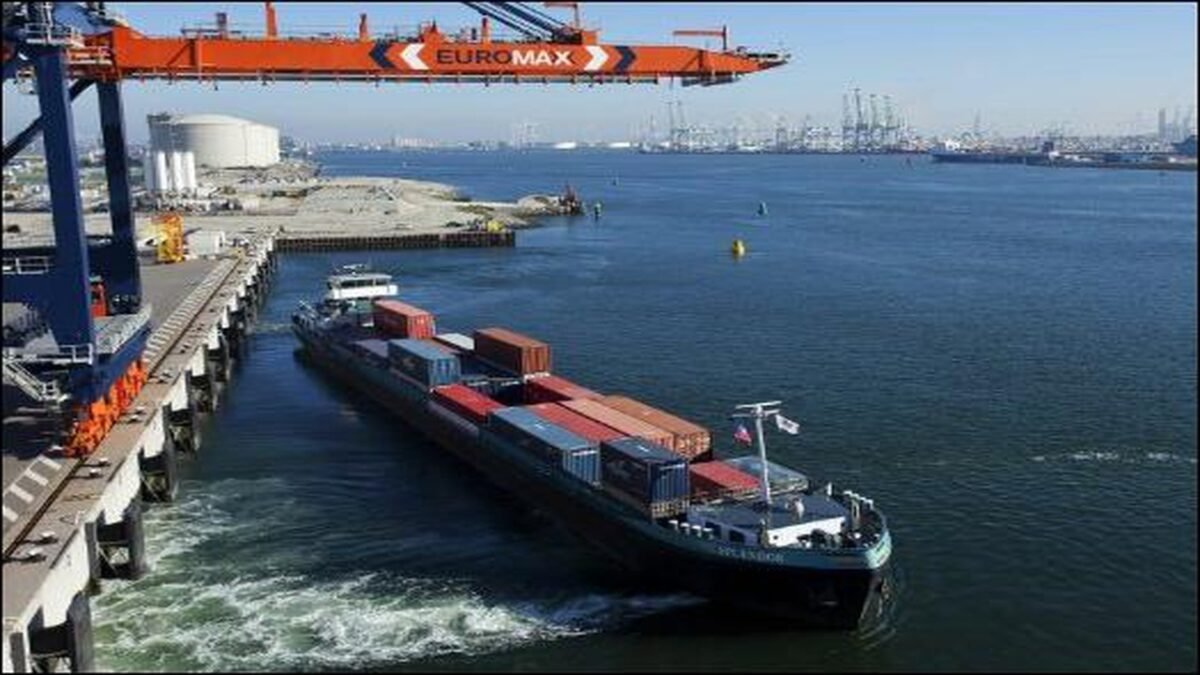
The Rotterdam bunker hub, historically a powerhouse in the European marine fuel supply chain, is witnessing a concerning erosion of its market standing. Recent data paints a clear picture of this decline, with conventional and biofuel sales experiencing a significant downturn. In the second quarter of 2026 alone, Rotterdam’s bunker sales plummeted by an alarming 25.7% year-on-year, totaling just 1.75 million metric tons. This substantial reduction in volume is not merely a statistical anomaly; it represents a tangible shift in global bunkering patterns, directly impacting the revenue and operational capacity of one of the world’s busiest ports. The competitive pressure from nearby ports intensifies as shipping companies strategically choose alternative refueling points to mitigate rising operational expenses.
This loss of market share is a multifaceted problem, deeply intertwined with the evolving global energy landscape and the imperative for sustainable shipping. While the maritime industry universally acknowledges the necessity of transitioning to cleaner fuels, the method and speed of this transition are proving to be critical determinants of port competitiveness. For a hub like Rotterdam, where marine fuel operations contribute significantly to the local economy through jobs, infrastructure, and ancillary services, any substantial decline in bunkering activity sends ripple effects throughout the entire maritime ecosystem. Maintaining the port’s viability as a marine fuel center is paramount for the broader Dutch maritime industry, which relies on its logistical prowess and service capabilities.
Navigating Regulatory Complexities: The RED III Impact
At the heart of the current predicament lies the complex and divergent implementation of the Renewable Energy Directive (RED III) across European nations. While the overarching goal of RED III is to promote renewable energy use and reduce greenhouse gas emissions, its translation into national law has created an uneven playing field. In the Netherlands, the specific interpretation and enactment of these rules have reportedly led to higher compliance costs for marine fuel suppliers. These costs stem from stringent blending requirements for renewable fuels and the necessity to acquire emissions reduction units, which are effectively tradable instruments representing greenhouse gas emission reductions. The burden of these additional costs is inevitably passed on to shipping companies, making Dutch bunkers more expensive than those available in neighboring countries.
Furthermore, the Dutch regulatory framework has reportedly placed limitations on the use of certain renewable feedstocks, such as used cooking oil (UCO), which is a commonly utilized and relatively cost-effective component in biofuel blends. By restricting access to or increasing the cost of these feedstocks, the Netherlands has inadvertently pushed up the price of its sustainable marine fuel offerings. This contrasts sharply with the approaches taken by countries like Belgium and Germany, where the implementation of RED III has been perceived by industry groups as more flexible or less economically burdensome, thereby creating a significant price differential for marine fuels. This disparity directly influences the decision-making process for vessel operators, who prioritize cost-efficiency without compromising compliance.
Economic Repercussions: Price Gaps and Demand Shift
The most immediate and tangible consequence of these regulatory disparities is the emergence of a substantial price gap between marine fuels supplied in Rotterdam and those offered in competing ports. This price differential acts as a powerful incentive for shipping companies to divert their bunkering operations away from the Rotterdam bunker hub. When a vessel operator can save thousands, or even tens of thousands, of euros per refueling stop by simply sailing a short distance to a Belgian or German port, the economic logic is undeniable. This behavior, known as ‘bunker diversion,’ directly translates into lost business for Dutch marine fuel suppliers and the broader port infrastructure.
Beyond the immediate loss of bunker sales, the economic repercussions extend further. A decline in bunkering activity can lead to reduced port calls, as ships that bunker elsewhere may also choose to conduct other port services in their chosen refueling location. This domino effect can impact pilotage services, tugboat operations, port fees, and a myriad of ancillary maritime services. Over time, a sustained shift in bunker demand could erode Rotterdam’s overall competitiveness as a major maritime hub, jeopardizing jobs and investments across the Dutch maritime industry. Protecting the market share of the Rotterdam bunker hub is not just about fuel sales; it’s about preserving the integral role of the port in global trade and logistics.
A United Front: The Maritime Industry’s Call to Action
Recognizing the gravity of the situation, a formidable alliance of Dutch maritime organizations has united to press for governmental intervention. The position paper, co-authored by prominent industry bodies such as Deltalinqs (the Rotterdam Port and Industrial Association), the Royal Association of Netherlands Shipowners, VOTOB (the Dutch association of independent tank storage companies), and NOVE (the Dutch association of independent fuel suppliers), represents a unified and powerful voice. These groups collectively represent a significant portion of the Dutch maritime sector, from port operators and shipping lines to fuel suppliers and storage facilities, underscoring the widespread concern across the industry.
Their call to action is clear and unequivocal: the Dutch government must ensure a truly level regulatory playing field for marine fuels. This entails a re-evaluation of the current implementation of RED III to align it more closely with the practices of neighboring countries, thereby eliminating the unfair competitive disadvantage faced by Dutch suppliers. The industry advocates for policies that support the transition to sustainable shipping without penalizing local businesses or driving essential services away. Their proposals likely include calls for more flexible blending requirements, a reconsideration of feedstock limitations, and potentially fiscal measures that can offset the increased costs of renewable fuels, ensuring that Rotterdam remains an attractive and viable option for future marine fuel procurement.
Charting a Course Forward: Strategies for Sustainable Competitiveness
Addressing the challenges facing the Rotterdam bunker hub requires a multi-pronged strategy that balances environmental aspirations with economic realities. One crucial step involves direct dialogue between the Dutch government, the European Commission, and maritime industry stakeholders to advocate for a more harmonized and pragmatic approach to renewable energy directives across member states. This would help to eliminate the policy disparities that currently undermine port competitiveness and distort the marine fuel market. The objective should be to foster sustainable shipping practices through a framework that encourages adoption rather than penalizing early movers.
Furthermore, the Netherlands could explore innovative fiscal incentives or subsidies designed to mitigate the higher costs associated with locally produced or blended renewable marine fuels. Such measures could help to close the existing price gap with rival ports, thereby retaining bunkering business within the Rotterdam bunker hub. Investing in research and development for new sustainable fuel technologies and infrastructure is also vital, ensuring that Rotterdam remains at the forefront of the green shipping revolution, not just as a compliance point, but as a center of innovation. This forward-looking approach would not only protect its market share but also position the port as a leader in future marine energy solutions.
By fostering collaboration between public and private sectors, the Netherlands can develop a robust and coherent strategy that preserves the economic viability of its marine fuel sector while championing global environmental goals. The urgency expressed by Dutch maritime groups serves as a critical reminder that while sustainability is imperative, its implementation must be carefully calibrated to avoid unintended consequences that undermine the very industry it seeks to transform. The future success of the Rotterdam bunker hub depends on agile policy adjustments and strategic investments that secure its place as a competitive, sustainable, and essential link in the global maritime supply chain.