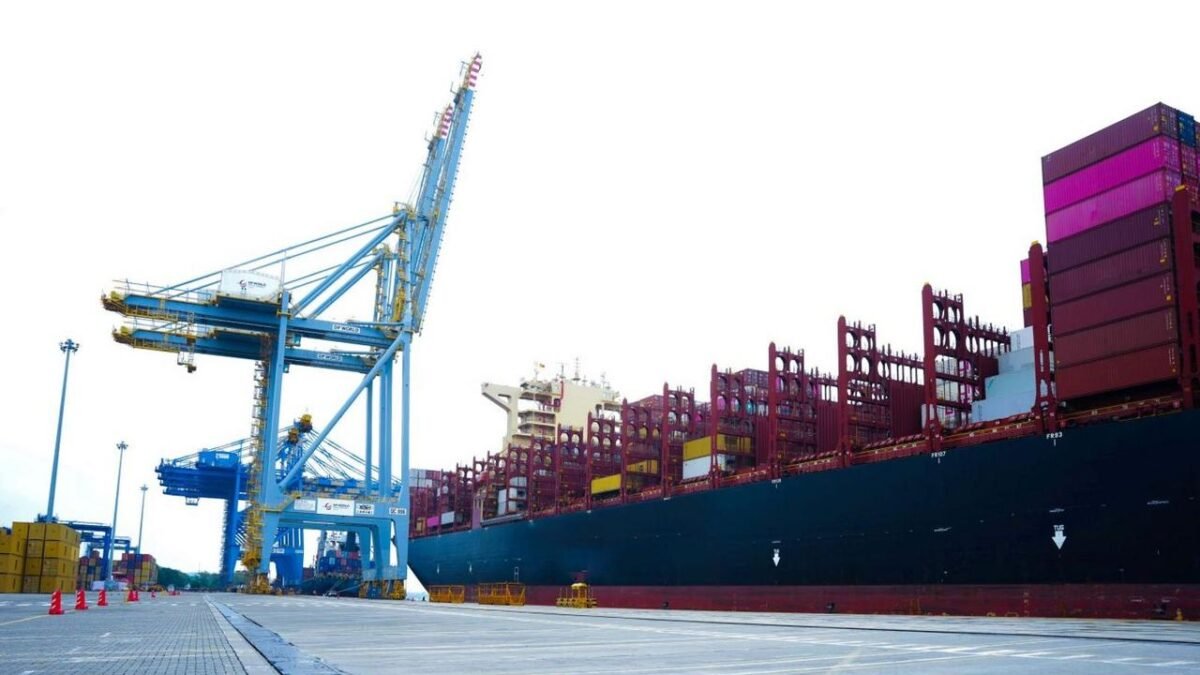
Container Shipping Rates Surge for Third Week | Mariner News
The global maritime industry is once again abuzz with significant movement as container rates continue their upward trajectory, marking the third consecutive week of increases. This sustained surge in shipping rates is sending ripples across international trade, impacting businesses and consumers alike. After periods of volatility and adjustment, the persistent climb suggests a renewed tightening in the container shipping market, prompting stakeholders to closely monitor the evolving dynamics of ocean freight and its broader implications for supply chain resilience and economic stability. Understanding the multifaceted drivers behind these escalating freight costs is crucial for anyone involved in global commerce.
The consistent rise in container rates underscores a complex interplay of demand-side pressures and persistent supply-side constraints. For a third straight week, the cost of moving goods across the world’s oceans has edged higher, challenging the equilibrium that many hoped would stabilize post-pandemic. This trend is not merely a statistical anomaly; it reflects tangible shifts in cargo volumes, vessel availability, and operational efficiency within the intricate web of global logistics. Businesses, from small importers to multinational corporations, are now facing renewed pressure to adapt their strategies to mitigate the financial burden imposed by these higher transportation expenses. The cumulative effect of these weekly increases can significantly erode profit margins and potentially lead to higher prices for end consumers, fueling concerns about inflationary pressures.
Unpacking the Persistent Rise in Container Shipping Rates
The ongoing climb in container rates is a stark reminder of the shipping industry’s inherent unpredictability. This sustained upward trend, now extending to its third week, reflects a combination of factors intensifying pressure on global shipping lanes. Major trade routes, particularly those connecting Asia with Europe and North America, are experiencing noticeable rate hikes, signaling a tightening of available capacity. Industry benchmarks, such as various composite indices that track spot rates across key lanes, confirm this consistent uptick, indicating a broader market shift rather than isolated fluctuations.
Several elements contribute to this current scenario. While overall demand might not be surging to the unprecedented levels seen during the peak of the pandemic, it remains robust enough to absorb existing vessel capacity. Seasonal demand, particularly as businesses begin to restock for upcoming sales events and holiday seasons, plays a significant role. Furthermore, lingering operational inefficiencies at ports globally continue to create bottlenecks, leading to delays and reduced turnaround times for vessels. This effectively diminishes the available shipping capacity, even if the absolute number of ships remains constant.
Moreover, the re-routing of vessels due to geopolitical tensions in critical maritime choke points, such as the Red Sea, has added significantly to voyage times and operational costs. These extended transit times mean that ships are spending more days at sea, delaying their return to loading ports and exacerbating the capacity crunch. Consequently, ocean carriers are able to command higher prices for their services, leading to the escalating freight costs we are observing.
Key Drivers Behind the Escalating Freight Costs
The persistent ascent of shipping rates for a third successive week is fundamentally driven by an imbalance between robust demand and constrained supply. On the demand side, resilient global consumer spending, particularly in e-commerce, continues to generate significant cargo volumes. Businesses are also proactively rebuilding inventories, which were depleted during previous supply chain disruptions, further fueling the need for reliable container shipping services. This sustained appetite for goods, combined with a ‘peak season’ mentality that often precedes major holidays, creates a competitive environment among shippers vying for limited space.
Concurrently, several critical supply-side challenges are contributing to the tightness in the maritime industry. Port congestion, although improved from its worst levels, still impacts key hubs, leading to longer dwell times for vessels and containers. This reduces the effective capacity of the global fleet. Equipment shortages, particularly of specialized containers and chassis, also hinder efficient cargo movement, creating further delays and increasing operational complexities. Furthermore, unexpected disruptions, whether due to adverse weather events or labor issues at terminals, can quickly cascade across the network, amplifying existing pressures.
Another significant factor is the strategic management of vessel capacity by shipping lines. Carriers are adept at adjusting schedules, blanking sailings, and redeploying ships to more profitable routes, which can artificially constrain capacity on certain lanes and drive up container rates. Additionally, the increasing cost of bunker fuel, influenced by global oil prices and new environmental regulations such as the IMO 2023 regulations on carbon intensity, adds to the operational expenses for carriers, which are often passed on to shippers in the form of surcharges. These combined elements create a perfect storm for rising ocean freight expenses.
Impact on Global Supply Chains and Businesses
The continuous rise in container rates has profound implications for global supply chains and businesses of all sizes. For shippers, particularly those operating on thin margins, increased freight costs directly translate into higher operating expenses and reduced profitability. This forces them to either absorb the additional costs, which can be unsustainable, or pass them on to consumers, contributing to inflationary pressures in end markets. The volatility also makes budgeting and forecasting significantly more challenging, complicating long-term business planning.
Small and medium-sized enterprises (SMEs) are often disproportionately affected. Unlike larger corporations that might have the leverage to secure long-term contracts at more stable shipping rates, SMEs frequently rely on the volatile spot market, making them more vulnerable to sudden price spikes. This can impact their competitiveness and even their viability, especially for businesses heavily reliant on international trade for raw materials or finished goods. The rising cost of importing can stifle innovation and growth for these smaller players.
Furthermore, the current environment necessitates a re-evaluation of inventory management strategies. Companies might consider increasing safety stock levels to buffer against potential delays and cost increases, but this ties up capital and adds warehousing expenses. The unpredictability of cargo volumes and delivery times also strains customer relationships, as businesses struggle to meet delivery promises. Ultimately, sustained high container rates can lead to a re-shoring or near-shoring of production for some industries, as companies seek to reduce their exposure to volatile international logistics costs and enhance supply chain resilience.
Navigating the Volatile Landscape: Strategies for Shippers
In this environment of rising and volatile container rates, shippers must adopt proactive and strategic approaches to manage their logistics and protect their bottom line. One critical strategy involves exploring a mix of contract types. While spot rates offer flexibility, securing longer-term contracts (Fixed Rate Agreements) with carriers for a portion of their cargo volume can provide greater cost predictability and stability, cushioning against sharp market fluctuations. Building strong, collaborative relationships with multiple liner shipping companies can also provide preferential treatment and better access to capacity during tight market conditions.
Enhancing supply chain visibility and leveraging data analytics is another vital step. By gaining deeper insights into inventory levels, transit times, and potential disruptions, businesses can make more informed decisions, optimize routing, and identify opportunities for consolidation or multimodal transport. Utilizing digital freight platforms can streamline the booking process, compare rates efficiently, and provide real-time tracking, thereby improving operational efficiency and responsiveness to market changes. Predictive analytics tools can also help forecast demand and anticipate future shipping costs.
Diversification of transport modes and routes is also key to mitigating risk. Relying solely on ocean freight can be risky when container rates are surging and capacity is constrained. Exploring rail, air, or even road transport for suitable cargo, where economically feasible, can offer alternative solutions. Additionally, optimizing container utilization, improving loading efficiencies, and reducing demurrage and detention charges through better planning and communication can help offset some of the increased freight expenses. Ultimately, agile and adaptive supply chain management strategies are essential for navigating the current landscape.
Outlook: What’s Next for Container Freight Rates?
The question on everyone’s mind is whether the current upward trend in container rates will continue, stabilize, or reverse course. While market forecasts remain inherently challenging, several factors will influence the future trajectory of shipping costs. The pace of global economic growth and consumer spending will be paramount. A sustained strong economy could maintain high demand for goods, thereby supporting elevated freight rates. Conversely, any significant economic slowdown could dampen demand and lead to a softening of prices.
Supply-side factors, including the delivery of new vessels ordered during the boom period, will eventually add capacity to the market. However, the impact of these new vessels might be partially offset by the scrapping of older, less efficient ships and by regulatory mandates such as slow steaming for environmental compliance, which effectively reduces available capacity. Geopolitical stability and the resolution of ongoing disruptions in key maritime passages will also be critical. Any further escalation or new choke point issues could prolong the current tightness and upward pressure on container rates.
Moreover, the long-term impact of e-commerce growth and evolving consumer expectations for faster delivery will continue to shape maritime industry dynamics. While the current trend suggests continued strength, the container shipping market is cyclical. Companies should prepare for ongoing volatility, characterized by periods of rising rates interspersed with potential corrections. Adaptability, strategic partnerships, and a keen eye on global economic indicators will be essential for navigating the evolving landscape of international logistics in the coming months and years.
In conclusion, the third consecutive week of rising container rates signals a sustained tightening in the global shipping market. This trend, driven by a complex interplay of demand resilience, ongoing supply chain bottlenecks, and geopolitical influences, presents significant challenges for businesses worldwide. Proactive strategies focusing on diversified logistics, enhanced visibility, and robust planning are paramount for navigating this volatile environment. As the maritime industry continues to adapt, flexibility and foresight will be key to managing shipping costs and ensuring the smooth flow of international trade.