USS John F. Kennedy Supercarrier Begins Acceptance Trials | Mariner News
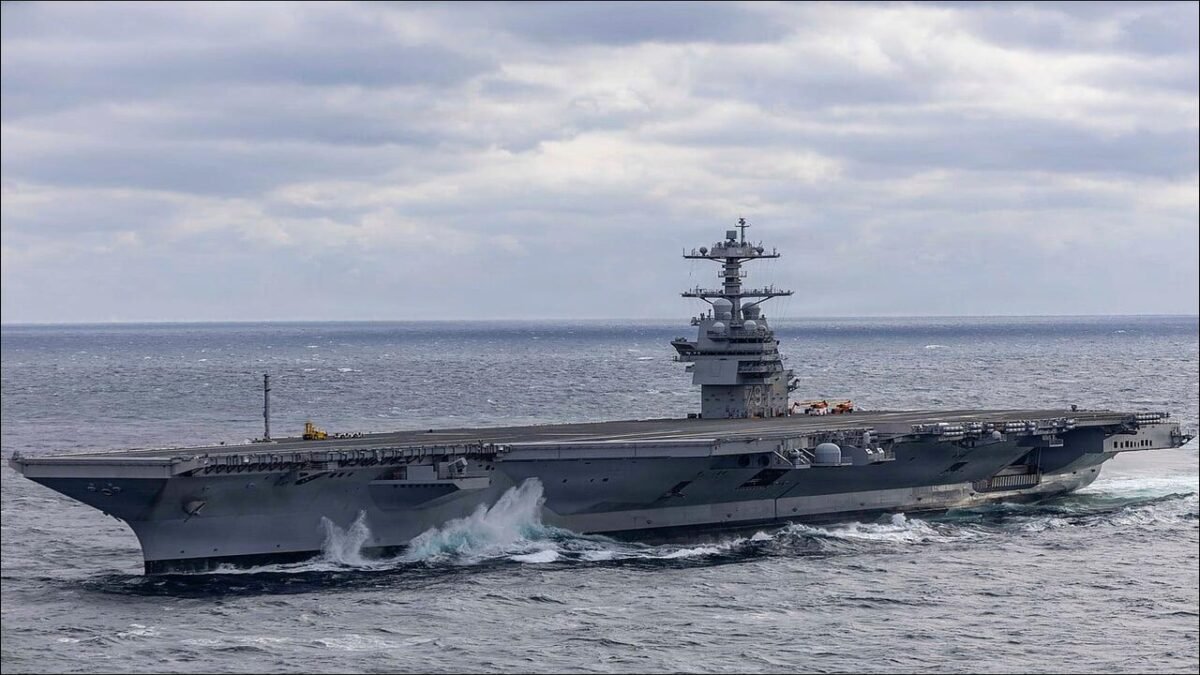
The maritime world observes a significant development: the supercarrier USS John F. Kennedy (CVN 79) has officially commenced her rigorous acceptance trials. This pivotal moment, six months after successful builder’s trials, marks a crucial step for the United States’ newest Ford-class aircraft carrier towards her anticipated delivery to the U.S. Navy. Setting sail from Virginia, this immense naval vessel embarks on comprehensive tests, evaluating every critical system to meet stringent operational standards. For naval engineering enthusiasts and defense analysts, the USS John F. Kennedy’s acceptance trials represent America’s commitment to maintaining a formidable global maritime presence. Successful completion will pave the way for this state-of-the-art supercarrier to join the fleet, ready to project American power and safeguard national interests worldwide.
The Journey to Naval Service: From Builder’s Trials to Acceptance
The path to commissioning for a vessel of the USS John F. Kennedy’s magnitude involves several critical testing phases. Her departure for acceptance trials follows successful builder’s trials completed in February 2026, which verified basic operational capabilities like propulsion, steering, and navigation off the Virginia coast. Newport News Shipbuilding (HII) proudly confirmed these latest trials via social media, highlighting their workforce’s dedication. As the second Ford-class supercarrier, USS John F. Kennedy has undergone intensive outfitting and systems integration since her initial trials, installing and fine-tuning advanced technologies. This transition from builder’s to acceptance trials signifies a shift to a joint assessment involving Navy representatives. They scrutinize the vessel to ensure all contractual specifications and operational readiness are met. This collaborative effort between shipbuilders and the U.S. Navy is paramount, guaranteeing the USS John F. Kennedy is fully prepared for its demanding future role. The meticulous nature of these assessments underscores the colossal investment and strategic importance placed on this magnificent naval asset.
Unveiling the Ford-Class Supercarrier USS John F. Kennedy
The USS John F. Kennedy embodies the pinnacle of modern naval engineering, representing the future of carrier strike operations. As the second in the groundbreaking Ford-class, she’s designed for unparalleled global power projection. Measuring an astounding 1,106 feet (approximately 337 meters) in length and displacing over 100,000 tons, these supercarriers are not only the largest warships ever constructed but also among the most technologically advanced. The Ford-class ships, including the USS John F. Kennedy, incorporate innovative systems to enhance operational efficiency, reduce crew workload, and significantly improve sortie generation rates. Advancements include the Electromagnetic Aircraft Launch System (EMALS), the Advanced Arresting Gear (AAG), and a redesigned island for optimized flight deck operations. While largely a sister ship to the lead USS Gerald R. Ford, the USS John F. Kennedy features key modifications mandated by the U.S. Congress and Navy during construction. These often involved accelerating completion of integration and outfitting tasks traditionally deferred until after delivery, aiming to streamline her journey to full operational capability. The Ford-class design prioritizes survivability, stealth, and adaptability, ensuring the USS John F. Kennedy will be a cornerstone of American maritime defense for decades, providing a flexible and potent platform for airpower projection worldwide. Her sheer size and sophisticated technology underscore her vital role in maintaining naval superiority.
The Rigors of Acceptance Trials: Ensuring Combat Readiness
Acceptance trials for a supercarrier like the USS John F. Kennedy are an incredibly intensive and comprehensive evaluation, far exceeding typical merchant vessel assessments. These trials involve a battery of tests rigorously assessing every aspect of the ship’s performance, from propulsion and navigation systems to sophisticated combat and communication networks. During this critical period at sea, Navy personnel and shipbuilders collaborate, pushing the vessel to its operational limits. Key evaluations include high-speed maneuvers, emergency braking, and precise steering drills, all vital for a ship of her immense size. Critical systems such as advanced sensor suites, radar systems, and integrated warfare systems are meticulously checked for seamless functionality and interoperability. Furthermore, trials scrutinize flight deck systems, including EMALS and AAG, though actual aircraft launches may occur post-delivery. Damage control, fire suppression, and emergency protocols are also thoroughly tested to ensure the supercarrier’s safety and resilience. This extensive validation confirms the USS John F. Kennedy is capable of fulfilling its multi-faceted mission profile, from humanitarian aid to high-intensity combat. The detailed scrutiny provides the U.S. Navy confidence in the vessel’s structural integrity, system reliability, and overall readiness for active service.
A New Era of Naval Power: Impact of the USS John F. Kennedy
The impending delivery of the USS John F. Kennedy to the U.S. Navy heralds a new era in naval power and strategic capability. As the second Ford-class supercarrier, her integration into the fleet will significantly bolster America’s capacity for global power projection and maritime dominance. These carriers are not just ships; they are sovereign airbases capable of deploying aircraft and personnel anywhere, offering unparalleled flexibility in responding to crises, deterring aggression, and conducting sustained combat operations. The advanced technologies within the USS John F. Kennedy, like improved electrical generation, enhanced automation, and optimized flight deck designs, translate into tangible operational advantages. These innovations enable greater sortie rates, reduced manpower, and lower lifecycle costs compared to previous Nimitz-class carriers, making her a highly efficient platform. The presence of such an advanced naval vessel reinforces alliances, safeguards international shipping lanes, and symbolizes national resolve. Moreover, the immense shipbuilding effort at Newport News Shipbuilding supports thousands of high-skilled jobs in Virginia, stimulating the economy and fostering technological innovation within the defense industrial base. Experience gained constructing the USS John F. Kennedy will also inform future Ford-class builds, ensuring continuous improvement in naval shipbuilding. Her imminent operational readiness signifies a critical enhancement to the U.S. Navy’s strategic posture, securing the nation’s position at the forefront of maritime security and global stability.
Conclusion
The undertaking of acceptance trials by the supercarrier USS John F. Kennedy is a monumental occasion for the U.S. Navy and the nation’s defense industrial complex. This final major hurdle before official delivery underscores the meticulous dedication to quality and operational excellence required for such a sophisticated naval asset. As the USS John F. Kennedy undergoes her final evaluations, the maritime community eagerly anticipates her successful completion and subsequent formal delivery. Her integration into the fleet will not only expand the Navy’s operational capabilities but also solidify the United States’ position as a leading maritime power. The USS John F. Kennedy, a marvel of engineering and a testament to American ingenuity, is poised to become a vital instrument of national security, embodying the strength and reach of the U.S. Navy for decades. Her journey from shipyard to active service is a powerful narrative of innovation, dedication, and strategic foresight, heralding a new chapter in naval history.