Asian Ports Need $12B Annually for Growth | Mariner News
The vibrant East Asia and Pacific region stands as a formidable economic powerhouse, its prosperity inextricably linked to the efficiency of its maritime trade. At the very heart of this vast commercial network are its ports, serving as crucial gateways for goods flowing worldwide. However, a recent World Bank report sheds light on a pressing challenge: the need for substantial annual investment in Asian ports. To sustain its rapid growth and meet future demands, particularly concerning container trade and the imperative of decarbonization, the region’s port infrastructure requires an staggering $12 billion annually.
This colossal financial injection is not merely for maintenance but for transformative expansion and modernization, ensuring that port infrastructure keeps pace with an evolving global economy. As countries like China have demonstrated through massive, strategic investments in their port sectors, unparalleled efficiency is critical for a trade-centered economy. Yet, the report highlights rising systemic weaknesses that could impede maritime transport across the Pacific region, emphasizing that continuous, forward-thinking investment is non-negotiable for sustained economic vitality and global supply chain resilience.
The Engine of Global Trade: Asia’s Maritime Sector
The East Asia and Pacific region has solidified its position as one of the most trade-dependent areas globally, making its maritime sector the lifeblood of its economy. The sheer volume of goods moving through its waterways and ports underpins everything from manufacturing to consumer markets. This reliance on efficient ports, advanced shipping capabilities, and robust fuel supply chains is a cornerstone of economic success, driving both regional development and global commerce.
While some nations, notably China, have historically invested heavily, creating highly efficient port systems, the broader region faces a complex landscape. The World Bank’s findings reveal a patchwork of strengths and vulnerabilities, with many ports struggling to keep up with the accelerating pace of international trade. This disparity underscores a collective need for strategic planning and substantial capital infusion to elevate the entire region’s maritime capabilities.
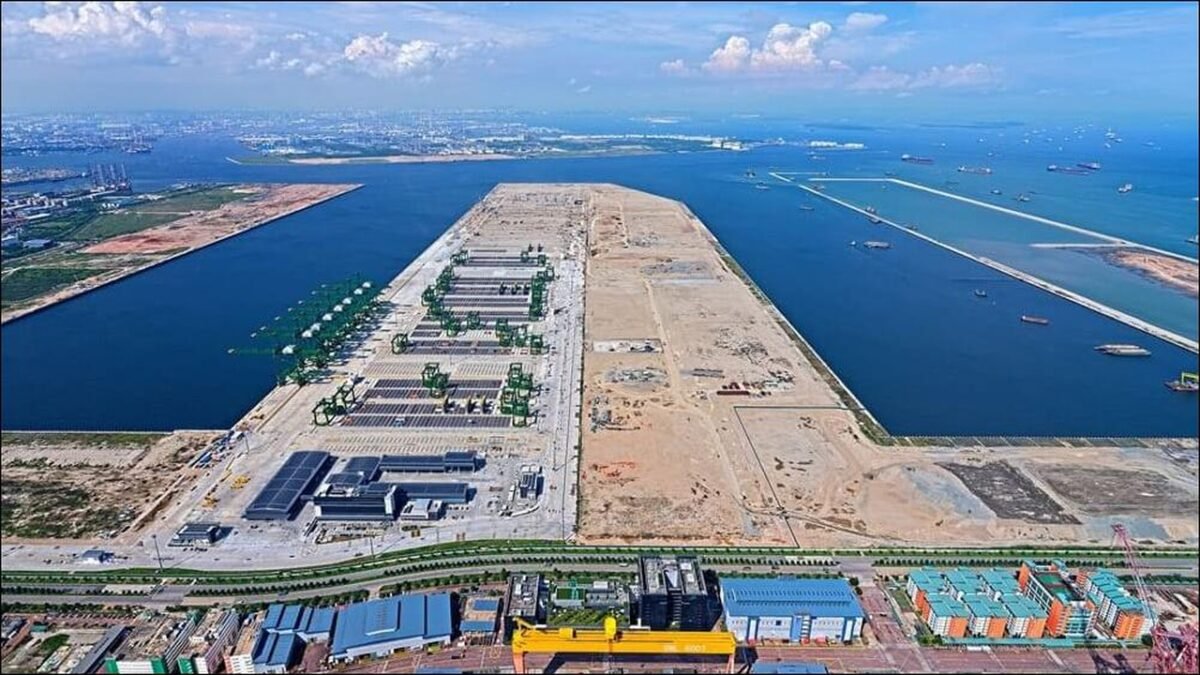
Singapore, for instance, offers a glimpse into proactive port development with its ambitious Tuas Port project. This new port district is a reimagination of its busy seaport, designed specifically for advanced container transshipment. Such initiatives are vital blueprints for other countries looking to modernize their facilities and maintain a competitive edge in the dynamic global shipping industry. The future of Asian maritime trade hinges on widespread adoption of such visionary infrastructure projects.
Addressing Capacity Gaps: The $6 Billion Container Challenge
One of the most immediate and significant drivers for increased investment in Asian port infrastructure is the projected surge in container trade. The region’s marine sector is entering an unprecedented phase of development, with container traffic forecast to grow by approximately four percent annually. This translates to an immense increase in cargo volume, requiring Asian ports to handle an additional 300 million TEUs (Twenty-foot Equivalent Units) by the year 2040.
Accommodating such a monumental volume of cargo necessitates a substantial expansion of handling capacity across the region’s port network. The World Bank estimates that ports will need to invest $90 billion over this period solely for additional container handling infrastructure, which breaks down to an essential $6 billion per year. This investment is not just about building new berths; it encompasses state-of-the-art cranes, automated systems, advanced logistics, and expanded intermodal connections to ensure swift and efficient movement of goods.
The distribution of this investment requirement highlights key players. China is anticipated to account for approximately 65 percent of this capacity expansion, reflecting its dominant role in global trade. The ASEAN-5 nations – Indonesia, Malaysia, Philippines, Singapore, and Thailand – collectively are expected to contribute about 25 percent. These figures underscore the concentrated effort needed from the region’s economic powerhouses to secure the future of container logistics and maintain the flow of maritime trade Asia is renowned for.
Beyond Containers: Expanding for Dry Bulk and Liquids
While containerized cargo represents a significant portion of the investment needed for port capacity, the full scope of maritime trade extends far beyond boxes. Dry bulk commodities such as coal, iron ore, and grains, alongside liquid cargoes like oil, chemicals, and liquefied natural gas (LNG), also contribute substantially to the region’s trade volumes. Therefore, a comprehensive strategy for port development must account for these diverse cargo types and their specific handling requirements.
When additional dry bulk and liquid capacity needs are factored into the equation, the estimated annual port investment needs are projected to reach the formidable sum of $12 billion. This holistic view acknowledges the multifaceted nature of maritime transport, where specialized terminals, storage facilities, and efficient transfer systems are crucial for maintaining the entire spectrum of trade. Investing in these areas ensures that Asian ports can continue to support various industries, from manufacturing to energy, underpinning broad economic growth.
This broader investment ensures that the region’s port infrastructure can accommodate the full breadth of trade, enhancing overall resilience and competitiveness. It’s about building a robust network capable of handling not just consumer goods, but also the raw materials and energy resources vital for industrial development. The $12 billion annual investment target thus reflects a comprehensive approach to securing future port capacity for all essential trade flows.
Charting a Sustainable Future: Decarbonization Investments
Beyond simply expanding capacity, a significant and increasingly critical component of future investment in Asian ports centers around sustainability and decarbonization. As the global maritime sector commits to ambitious targets for reducing greenhouse gas emissions, ports play a pivotal role in enabling this transition. This means substantial investment is required for new infrastructure to support alternative fuels, which are essential for green shipping.
Developing Pacific countries, in particular, will need substantial investment in storage, bunkering, and safety systems tailored for emerging alternative fuels such as ammonia, methanol, and hydrogen. This isn’t just about providing fuel; it involves developing entirely new value chains, ensuring the safe handling, efficient distribution, and reliable supply of these low-carbon alternatives. These infrastructure upgrades are crucial for reducing the carbon footprint of maritime transport.
The World Bank’s report assessed three distinct investment pathways through to 2040, each designed to facilitate this shift. The main scenario, projected to cost $1.2 billion, specifically targets a region-wide development of alternative fuels value chains. This strategic investment is vital for establishing the necessary ecosystem that will allow vessels to transition away from traditional fossil fuels, cementing the role of Asian ports as leaders in sustainable maritime practices and future-proofing the industry.
Strategic Investments for Regional Resilience
The strategic importance of these investments in Asian port infrastructure extends far beyond mere capacity expansion; it is fundamental to bolstering regional resilience and ensuring long-term economic stability. A modern, efficient, and sustainable port network provides a critical competitive advantage in global trade, attracting more shipping lines and facilitating smoother, faster movement of goods. This, in turn, strengthens supply chain efficiency and reduces vulnerabilities to disruptions.
Robust port infrastructure acts as an economic multiplier, stimulating local industries, creating jobs, and fostering technological innovation. It also enables better connectivity between hinterlands and global markets, unlocking economic potential for landlocked areas and smaller economies within the region. Furthermore, investments in advanced technologies, such as port automation, digital logistics platforms, and enhanced cybersecurity, are vital for creating smart ports that can adapt to future challenges and opportunities.
By investing strategically in these key areas, Asian countries are not only addressing current demands but also building a resilient foundation for future economic growth. This proactive approach ensures that the region remains at the forefront of global maritime trade, capable of navigating economic shifts and environmental imperatives with agility and strength. The future prosperity of the East Asia and Pacific region is inextricably linked to the foresight and scale of its port investments.
Navigating the Investment Landscape: Challenges and Opportunities
While the need for $12 billion in annual investment for Asian ports is clear, securing and deploying such massive capital presents its own set of challenges. Financing mechanisms, regulatory frameworks, land acquisition, and environmental considerations all need careful navigation. Developing countries within the region may find it particularly challenging to mobilize the required funds, necessitating innovative financial solutions and international support.
However, these challenges also open doors to significant opportunities. The sheer scale of the investment required makes it an attractive proposition for public-private partnerships (PPPs), drawing in expertise and capital from both government bodies and private sector entities. International financial institutions, like the World Bank, along with multilateral development banks, can play a crucial role in providing loans, technical assistance, and investment guarantees, de-risking projects for private investors.
Furthermore, the focus on sustainable port development and alternative fuels presents opportunities for green financing and impact investing. Investors increasingly prioritize projects with strong environmental, social, and governance (ESG) credentials, making port decarbonization initiatives highly attractive. Collaborating on regional projects, sharing best practices, and harmonizing regulations can also create a more conducive investment environment, fostering a collective approach to developing world-class port infrastructure across Asia.
Conclusion
The imperative for substantial and sustained investment in Asian ports cannot be overstated. With an annual requirement of $12 billion, these investments are crucial for bolstering port capacity, meeting the demands of burgeoning container and bulk trade, and fundamentally, for driving the region’s ambitious decarbonization agenda. The findings from the World Bank underscore the urgency of these financial commitments to prevent systemic weaknesses from impacting maritime transport across the East Asia and Pacific region.
From expanding container handling capabilities to developing vital infrastructure for alternative fuels, every dollar invested will strengthen supply chain efficiency, enhance economic resilience, and secure Asia’s pivotal role in global maritime trade for decades to come. Proactive engagement from governments, the private sector, and international bodies is essential to unlock this potential, ensuring that Asian ports remain vibrant, competitive, and sustainable gateways to the world. The time to invest in Asia’s maritime future is now.