

Aalborg Container Terminal joins Portchain Connect network
Aalborg Container Terminal adopts Portchain Connect to digitize berth alignment and improve schedule reliability for container carriers.
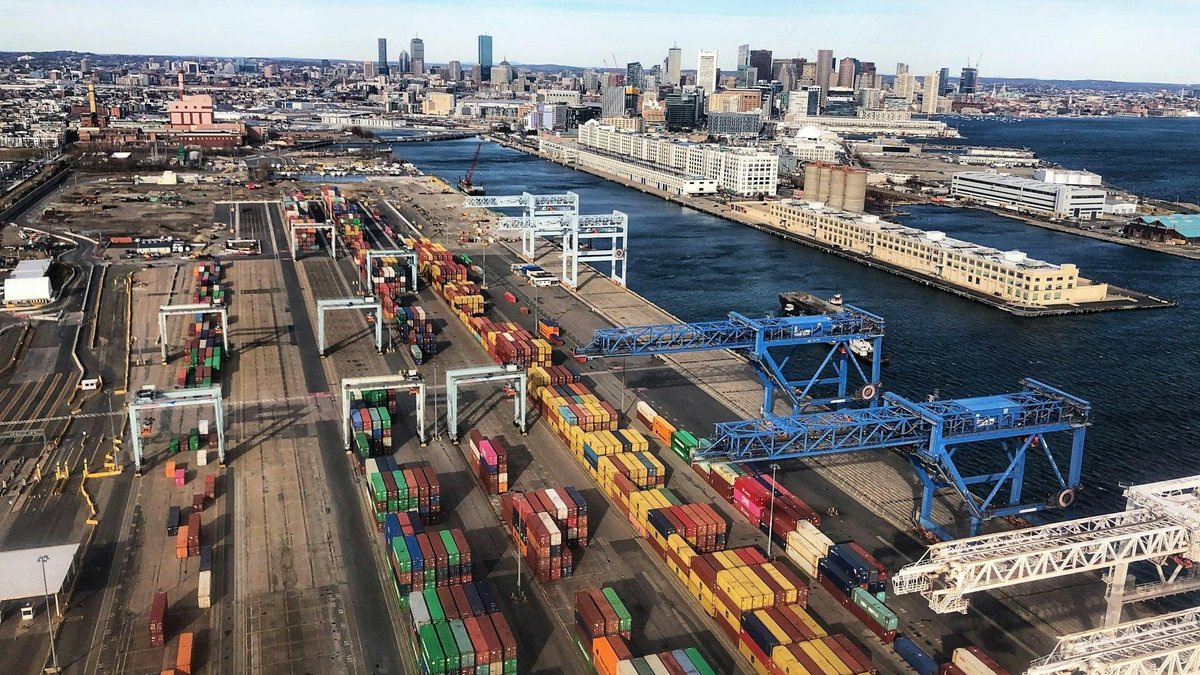
Aalborg Container Terminal has joined the Portchain Connect network to transition its berth alignment process from manual coordination to a digital platform shared directly with carriers.
Aalborg Container Terminal is the latest facility to adopt the Portchain Connect system. The network enables digital data exchange between terminal operators and shipping lines to coordinate vessel arrivals and berth availability in real time.
Why it matters
The integration of Aalborg Container Terminal into a digital network targets the persistent lack of transparency in port-to-ship communication. For vessel owners and charterers, this adoption reduces the reliance on fragmented email chains and phone calls to confirm berth timings. By digitizing these interactions, the terminal provides carriers with a more predictable schedule, which is essential for optimizing vessel speeds and managing fuel consumption on the approach to the port. This shift directly addresses the uncertainty that often leads to ships idling at anchorage.
This development also signals a shift in how regional terminals compete for carrier business. As larger hubs increasingly automate their data sharing, smaller terminals must adopt similar standardized interfaces to remain integrated into carrier networks. For the operations desks at container lines, the ability to receive automated updates from Aalborg simplifies the planning of vessel rotations and reduces the administrative overhead of manual reporting. It suggests that digital transparency is becoming a baseline requirement for terminal operators rather than a value-added service.
The move likely places a higher premium on data accuracy from both the terminal and the calling vessels. With berth alignment now visible through a shared network, any discrepancies in arrival times or terminal productivity will be immediately apparent to all parties involved. This transparency forces a higher level of accountability on terminal operators to hit their promised windows and on carriers to maintain their schedules.
Source: The Maritime Executive