

Xeneta Forecasts 30% Drop in Ocean Freight Spot Rates for 2027
Xeneta warns of a 30% drop in container spot rates in 2027 as Red Sea capacity returns and fleet growth outpaces slowing demand.
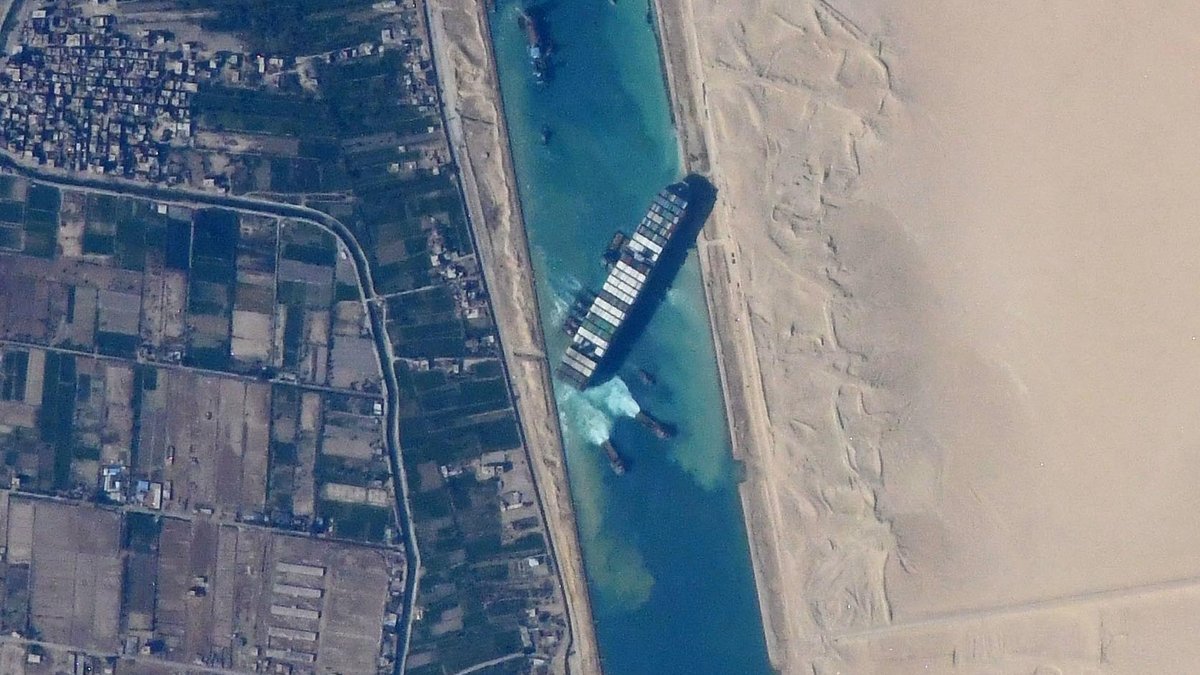
Global ocean container shipping spot rates are forecast to fall 30% in 2027 as a massive influx of new vessel capacity coincides with a projected return to the Red Sea and a significant slowdown in demand growth. The outlook, presented by Xeneta Chief Analyst Peter Sand at the company’s annual summit in Munich, suggests a market correction following years of volatility driven by geopolitical shocks.
The primary driver of the anticipated rate collapse is the restoration of Suez Canal transits, which is expected to release capacity currently absorbed by longer diversions around the Cape of Good Hope. In October 2026, carriers committed nearly 467,300 TEU of weekly capacity to the Red Sea—roughly double the level offered just two months prior. This return to traditional routing has already released 599,000 TEU back into the global network.
Capacity Glut Meets Fading Demand
Supply-side pressure will be compounded by a 6.8% growth in the global fleet during 2027. Carriers are scheduled to take delivery of 2.9 million TEU of new capacity next year, while demolition is expected to remove only 0.5 million TEU. This follows a 4.9% fleet expansion in 2026, creating a sustained imbalance as demand growth is projected to cool to between 2.5% and 4%.
The slowing demand reflects a bullwhip effect from 2026, where shippers aggressively frontloaded cargo to hedge against the Hormuz Crisis and rising US tariffs. As these inventories are drawn down in early 2027, the underlying weakness in consumer appetite for containerized goods will likely lead to a muted peak season and downward pressure on both spot and long-term rates, the latter of which are forecast to fall by 5%.
Operational Fragility and Reliability
While the fundamentals point toward a softening market, the forecast remains contingent on the volatile security situation in the Middle East. Sand warned that any deterioration in the Red Sea could force carriers back to the Cape of Good Hope, instantly tightening supply. Furthermore, low water levels in the Panama Canal remain a latent threat that could force shippers to pay premiums for transit certainty.
Carriers enter 2027 with historically low levels of schedule reliability. Global on-time arrivals plummeted to 27% in the third quarter of 2026, with Far East-to-Europe reliability hitting a low of 4% in September. While a rebound is possible in 2027, the industry is starting from a baseline of extreme operational inefficiency, leaving little margin for error if new supply chain shocks emerge.
Source: India Shipping News