

Maersk Revises Peak Season Surcharges for India-North America Trade
Maersk will adjust Peak Season Surcharges for shipments from the Indian Subcontinent to North America starting November 2026, excluding Houston.
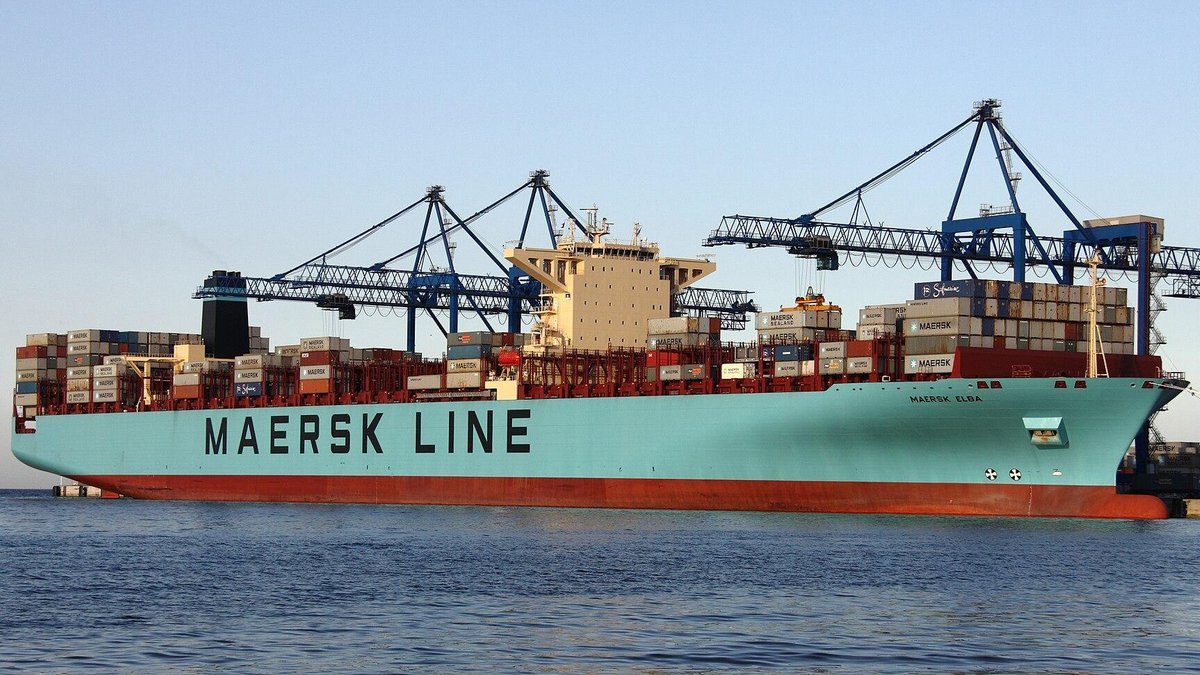
Maersk has announced a revision to its Peak Season Surcharge (PSS) for cargo moving from the Indian Subcontinent to the United States and Canadian East and Gulf coasts, effective November 8, 2026.
The updated surcharge applies to both dry and reefer containers but specifically excludes Houston from the destination scope. This exclusion suggests a strategic carve-out for the Texas gateway, potentially reflecting unique regional capacity balances or distinct pricing structures for that specific port compared to other North American coastal hubs.
Operational Impact on Contract Cargo
The PSS is specifically targeted at non-SPOT bookings, a move that allows the carrier to protect margins on long-term contract cargo during periods of heightened demand. While SPOT rates are adjusted dynamically based on market fluctuations, the PSS serves as the primary mechanism for aligning fixed-rate agreements with seasonal volatility.
Shippers must navigate different Price Calculation Date (PCD) logics depending on the regulatory status of the cargo. For shipments regulated by the Federal Maritime Commission (FMC), the surcharge is determined by the final container gate-in date. For non-FMC cargo, the PCD is based on the scheduled departure date of the first ocean leg at the time of booking confirmation.
The reliance on the gate-in date for FMC-regulated cargo introduces a specific operational variable for US-bound shippers. Unlike departure-based pricing, gate-in pricing requires precise coordination with terminal operations to avoid or lock in specific surcharge levels, making the timing of the last mile to the terminal as financially significant as the booking date itself.
Source: Container News